Missile sirens across the Gulf; Iran expands retaliation after US attacks
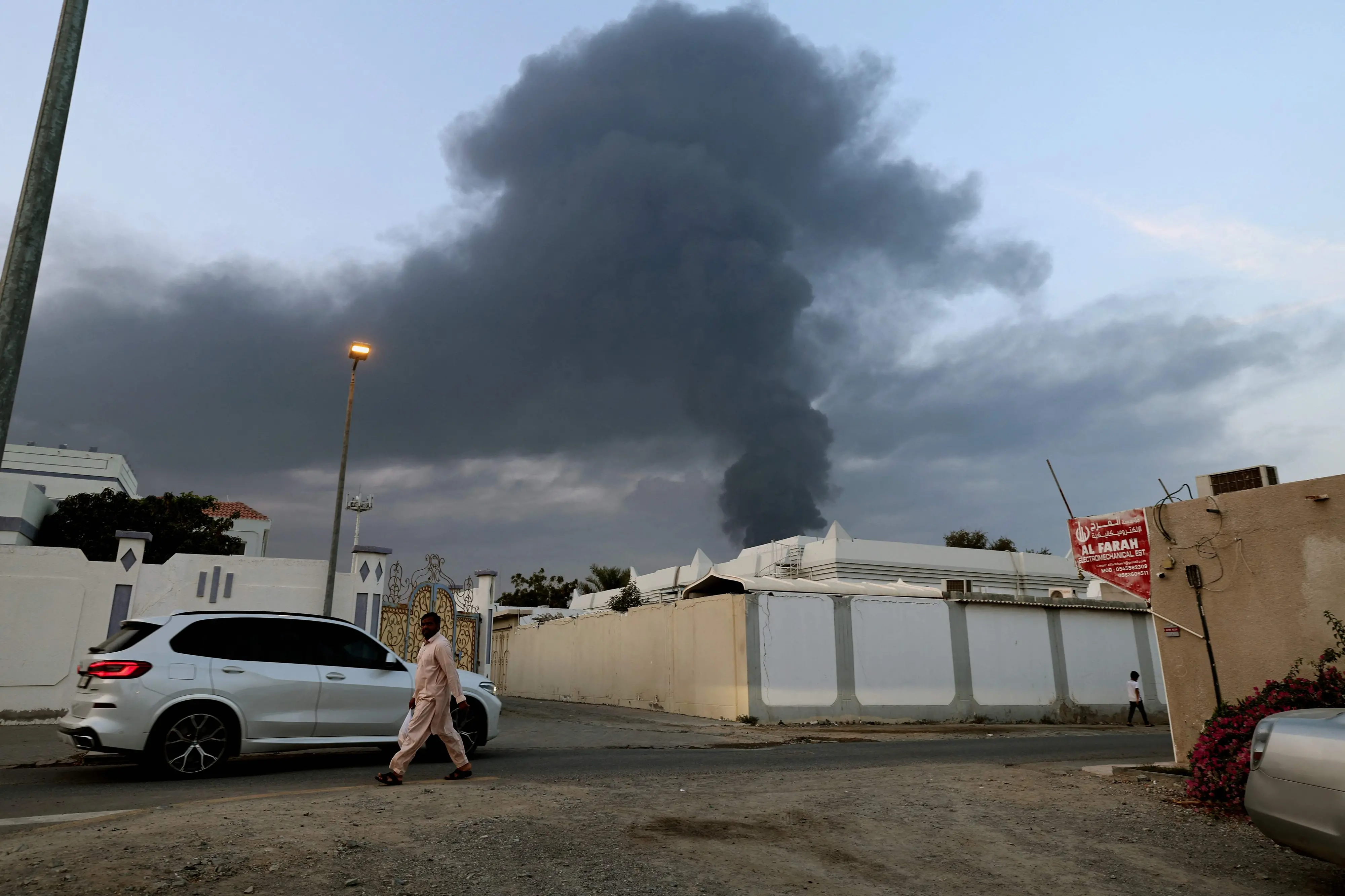
Tehran: Iran says it has launched fresh missile strikes on US military facilities in Jordan and Bahrain following another wave of American attacks on Iranian targets. The escalation comes as an Indian crew member was killed after Iranian missiles struck two UAE oil tankers near the Strait of Hormuz.
The conflict between Iran and the United States intensified on Tuesday after Tehran claimed it had targeted American military facilities in Jordan and Bahrain in retaliation for fresh US strikes across Iran.
The latest developments mark another significant escalation in the Gulf, with missile attacks, naval operations and threats expanding beyond the Strait of Hormuz into several neighbouring countries.
Iran claims strikes on US bases
Iran's Islamic Revolutionary Guard Corps (IRGC) announced that it had launched ballistic missiles at a US air base in Jordan while also targeting American military systems in Bahrain.
The statement, carried by Iranian media, urged Jordanians to oppose the presence of US military bases in the country and described the attacks as a response to continued American military operations.
Jordan's military said it intercepted four Iranian missiles. However, there was no independent confirmation that any US military installation had been hit.
Meanwhile, Bahrain activated missile warning sirens and advised residents to seek shelter as fresh attacks were reported.
Iran also claimed to have targeted US Patriot missile radar systems and air-control facilities linked to the US Navy's Fifth Fleet, which is headquartered in Bahrain. Those claims have not been independently verified.
US launches another wave of strikes
The Iranian retaliation followed another large-scale military operation by US Central Command (CENTCOM).
According to the US military, American forces carried out a five-hour operation targeting Iranian military infrastructure in:
- Bushehr
- Chabahar
- Jask
- Konarak
- Abu Musa
- Bandar Abbas
CENTCOM said the strikes were aimed at degrading Iran's missile, drone and coastal defence capabilities while reducing its ability to threaten commercial shipping in the Strait of Hormuz.
The operation marked the third consecutive night of US military strikes on Iranian targets.
US President Donald Trump said the campaign would continue and warned that further military action remained possible.
Indian crew member killed in tanker attack
The regional conflict also spilled into commercial shipping.
The United Arab Emirates confirmed that two of its oil tankers, Mombasa and Al Bahiyah, were struck by Iranian cruise missiles while sailing through Omani territorial waters south of the Strait of Hormuz.
According to the UAE Ministry of Defence:
- One Indian crew member was killed.
- Eight crew members were injured.
- Six of the injured are Indian nationals.
- Two injured crew members are Ukrainian nationals.
- Fires broke out aboard both vessels but were later brought under control.
The UAE condemned the attack as a serious violation of international law and said it reserved the right to respond.
Iran defends tanker attack
The IRGC said the tankers had ignored repeated warnings, switched off their navigation systems and entered what it described as a "mined route".
Iran also accused the United States of encouraging commercial vessels to use what it called an illegal shipping corridor through the Strait of Hormuz.
Tehran warned that cooperation with the US could delay the reopening of the strategic waterway and worsen the global energy crisis.
Why the Strait of Hormuz matters
The Strait of Hormuz is one of the world's most important maritime trade routes, carrying roughly one-fifth of global oil supplies.
Any disruption to shipping through the narrow waterway can affect global energy prices, supply chains and inflation, particularly for major oil-importing countries such as India.
Tensions have risen sharply after President Trump announced the reinstatement of a US naval blockade targeting Iranian shipping and proposed charging a 20% fee for protecting commercial vessels passing through the strait.
The International Maritime Organization has maintained that international shipping through the Strait of Hormuz should remain free from tolls or restrictions under international law.
What happens next?
With Iran claiming attacks on US military facilities in multiple Gulf countries and Washington signalling further strikes, the confrontation is increasingly expanding beyond direct US-Iran hostilities.
Military analysts warn that continued attacks involving Jordan, Bahrain, the UAE, Oman and Iraq could further destabilise the Gulf region, threaten global energy supplies and increase the risk of a broader regional conflict.