Trump shifts to ‘watch and see’ on Iran strikes after reports that killings have stopped
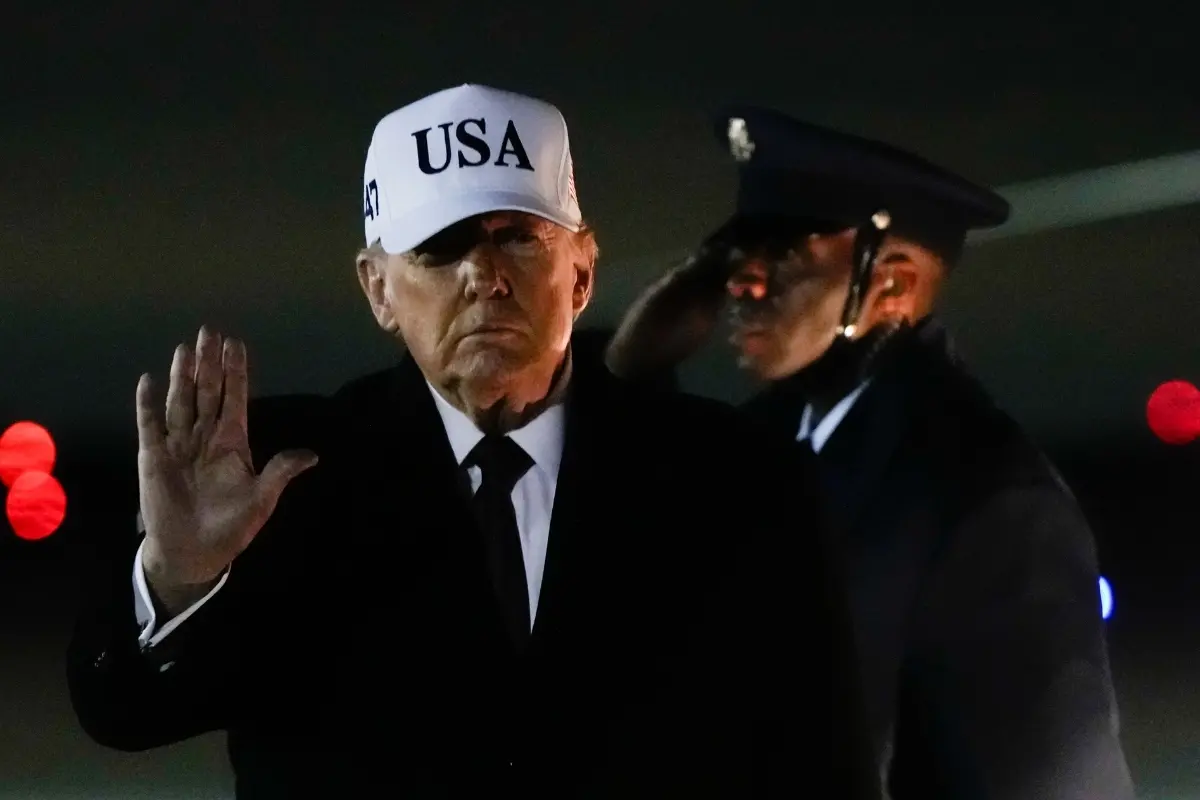
Tehran: Iran vowed Thursday to repel any external aggression after U.S. President Donald Trump indicated he was monitoring the situation before deciding on potential military strikes in response to a lethal crackdown on protesters.
The defiant stance from Tehran coincided with a pivot by the Iranian judiciary, which announced that a high-profile detainee, 26-year-old Erfan Soltani, would not be sentenced to death. The move follows specific warnings from Trump that the U.S. would intervene if the Islamic Republic proceeded with executions of those arrested during the unrest.
The demonstrations, which erupted in late December over economic distress, have rapidly expanded into a nationwide uprising, posing the most significant challenge to the theocratic system since the 1979 revolution. Human rights organisations report that the government’s "zero tolerance" response has resulted in at least 3,428 deaths and thousands of arrests, while a near-total internet blackout has been used to mask the extent of the violence.
In a diplomatic manoeuvre on Thursday, Iranian Foreign Minister Abbas Araghchi spoke with his Saudi counterpart, Faisal bin Farhan, stressing the necessity for "global condemnation of foreign interference in the internal affairs of regional countries." The call occurred just hours before a U.S.-requested emergency meeting of the U.N. Security Council.
The regional tension was further underscored by reports that Saudi Arabia has informed Iran it will not permit its airspace or territory to be utilised for any foreign military strikes against the country.
The "Watch and See" Approach
After days of threatening military action, President Trump suggested a possible de-escalation on Wednesday, claiming he had received assurances from "very important sources on the other side" that state-sanctioned killings had ceased.
"They've said the killing has stopped and the executions won't take place, there were supposed to be a lot of executions today and that the executions won't take place, and we're going to find out," Trump told reporters at the White House.
When asked in the Oval Office if a military response was now off the table, the president replied: "We're going to watch it and see what the process is."
The perceived softening of the U.S. stance caused global oil prices to drop on Thursday, as traders grew less fearful of a supply shock from Iran, which accounts for roughly 3% of world output.
"No Hanging Today or Tomorrow"
The fate of Erfan Soltani, who was arrested in Karaj and charged with "propaganda against the system," became a central point of international concern. While prosecutors had initially pursued capital charges of "waging war against God" (moharebeh) against many detainees, the judiciary clarified Thursday that Soltani has "not been sentenced to death" and would instead face imprisonment if convicted.
In a rare interview with Fox News, Foreign Minister Araghchi declared there would be "no hanging today or tomorrow." He attributed the mass casualties reported by rights groups to an "Israeli plot" involving external "terrorist elements" who he claimed infiltrated the protests to provoke a U.S. military intervention.
Araghchi asserted that the government is now in "full control" and reported an atmosphere of "calm" following what he described as three days of "terrorist operations."
Regional Standoff
Despite Tehran's claims of stability, military preparations continue. Washington has reportedly begun drawing down non-essential staff at its Al Udeid base in Qatar, a facility Iran targeted last year in retaliation for U.S. strikes on its nuclear sites.
Ali Shamkhani, a senior adviser to Supreme Leader Ayatollah Ali Khamenei, warned that past strikes proved Iran’s "will and capability to respond to any attack." Turkey also joined in opposing any military operation against its neighbour.
Monitoring group NetBlocks reported that Iran’s internet blackout has now surpassed 156 hours. While the Institute for the Study of War noted a lull in active street demonstrations on Wednesday, it warned that the regime's sustained repressive measures suggest the underlying threat to the government has not subsided.