US ‘fully responsible for bloodshed,’ says Iran FM amid escalating West Asia conflict
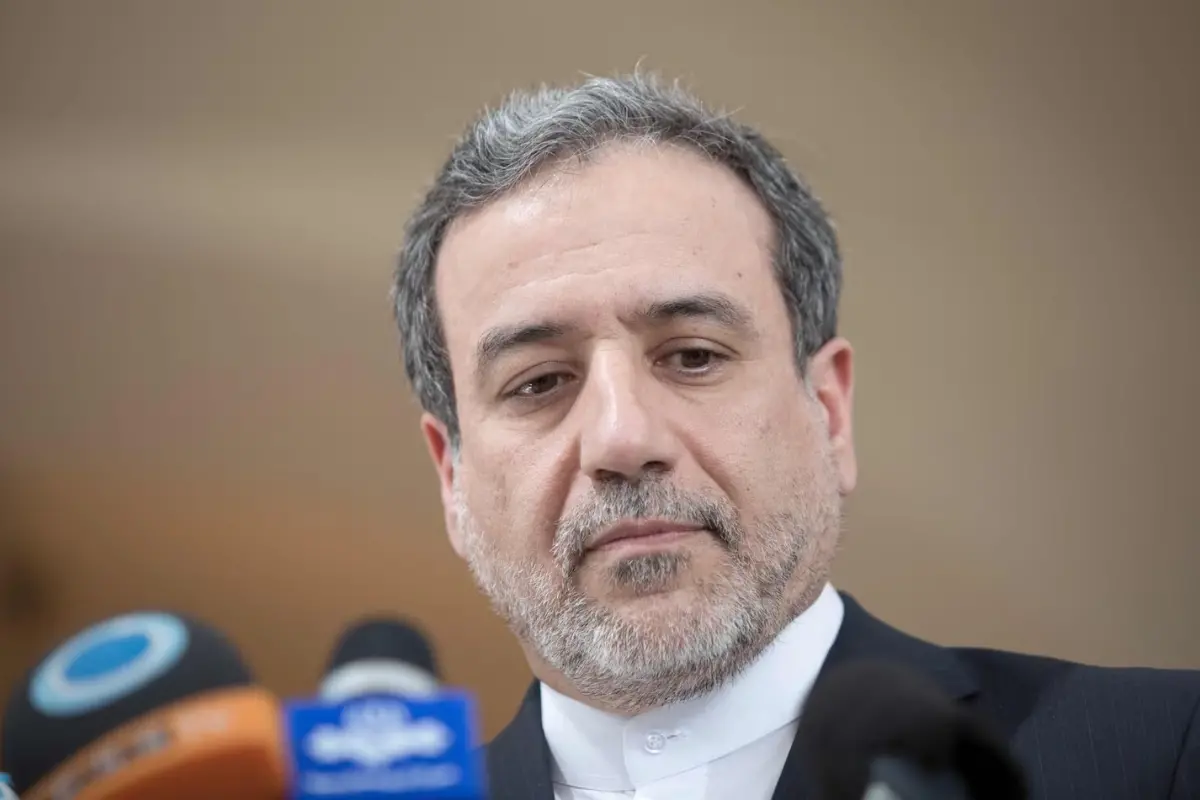
Tehran: Iran’s Foreign Minister Seyed Abbas Araghchi has blamed the United States for the escalating violence in West Asia, stating that Washington bears “full responsibility for bloodshed” in the region. The remarks were reported by the Islamic Republic News Agency (IRNA) amid intensifying tensions involving Iran, the United States and Israel.
The comments come during a period of heightened military and diplomatic strain, with Iranian officials describing the conflict as an existential threat to the country.
At the Raisina Dialogue 2026 in New Delhi, Iran’s Deputy Foreign Minister Saeed Khatibzadeh also criticised US President Donald Trump and Washington’s broader policy towards Tehran. Questioning US calls for political change in Iran, Khatibzadeh said it was ironic that American leadership speaks about shaping Iran’s political future.
“President Trump is asking for a leadership change in Iran, while he can’t even appoint the mayor of New York,” Khatibzadeh said, calling the approach “colonial” in nature.
Iran’s maritime position in focus
Addressing concerns about global shipping routes, Khatibzadeh denied reports that Iran had closed the Strait of Hormuz, one of the world’s most strategically important oil transit corridors.
“We have not yet closed the Strait of Hormuz. We have no intention to do that until further notice,” he said, describing Iran as “an anchor of stability” in the Persian Gulf.
He added that Tehran remains committed to international law and freedom of navigation despite the ongoing conflict.
Iran calls conflict an ‘existential war’
The Iranian diplomat characterised the current confrontation as an “existential war” against Iran, accusing the United States and Israel of launching aggression based on what he described as “flat lies”.
“What is being done by Americans and Israelis today is against international law and norms. There was no provocation from Iran,” Khatibzadeh said.
He further alleged that geopolitical ambitions and the idea of a “Greater Israel” were driving the escalation.
Warning of retaliation
Khatibzadeh said Iran considers itself to be acting in self-defence and warned that Tehran would respond to attacks originating from foreign territory.
“We have no option but to hit wherever the Americans are originating their attack from,” he said.
He also claimed that “false-flag operations” were being used to widen the conflict and alleged that Israeli intelligence agency Mossad had attempted covert operations in other countries.
Diplomacy urged to end crisis
Despite the strong rhetoric, Iranian officials said diplomacy remains the only viable path forward.
“The ball is in the court of the one who started this aggression,” Khatibzadeh said, adding that Iran would stop military actions if attacks against it were halted. He concluded by stressing that dialogue and diplomacy are essential to preventing the conflict from expanding further across the region.