Iran offers Trump 7-day plan to reopen Strait of Hormuz and restart talks: What it means
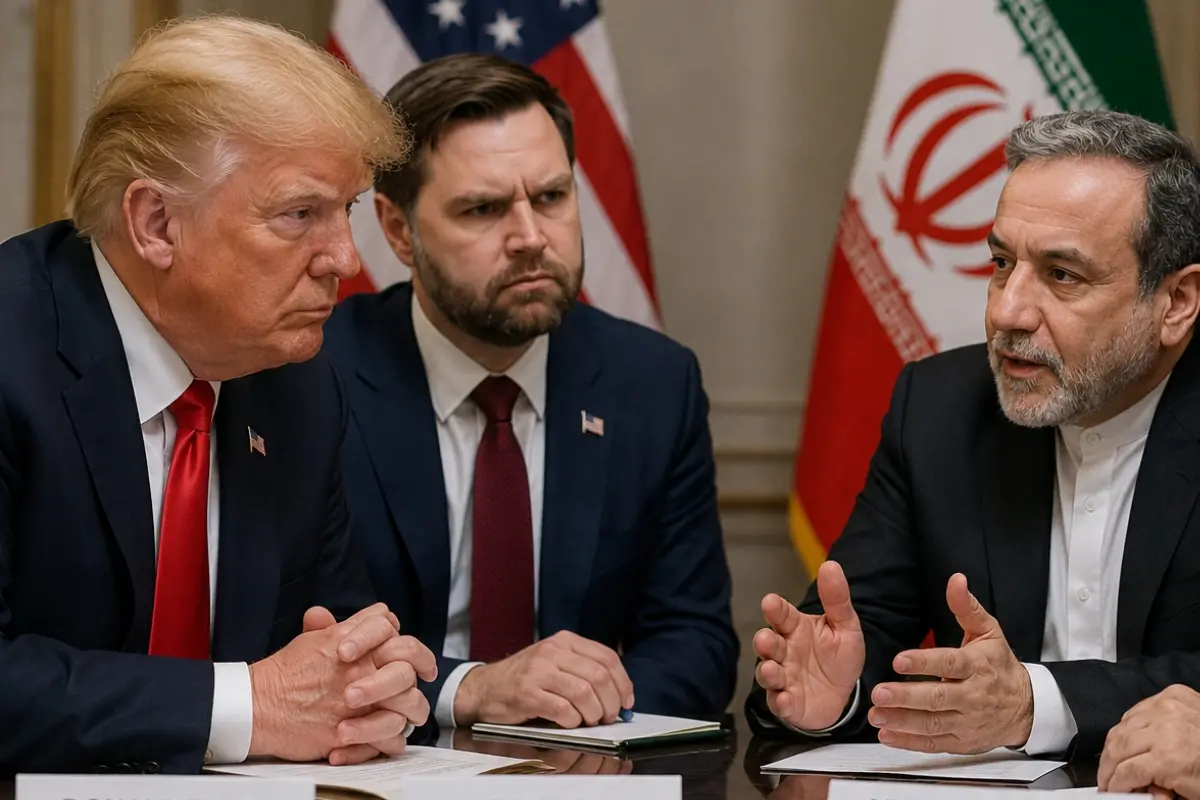
Iran has proposed a seven-day roadmap to reopen the Strait of Hormuz and restart negotiations with the United States, putting one of the world's most important oil routes at the centre of a possible diplomatic breakthrough.
But Tehran's proposal is not simply about reopening the waterway.
Iran wants the US to take steps of its own before the Strait of Hormuz is reopened, while the broader negotiations also bring the long-running dispute over Iran's nuclear programme back into focus.
So, what exactly is Iran proposing, what does it want from the US, and is Washington likely to accept the terms?
What is Iran’s 7-day plan?
Iranian Foreign Minister Abbas Araghchi said Tehran has given the Trump administration a proposal under which the Strait of Hormuz could be reopened within seven days while negotiations aimed at ending the wider conflict resume, reported IANS.
The proposal was delivered to US officials through mediators during diplomatic contacts this week, Araghchi said on the sidelines of the United Nations General Assembly in New York.
The plan effectively links two issues: the reopening of the Strait of Hormuz and the return to negotiations with Washington.
Iran has said the terms are similar to a memorandum of understanding reached between the two countries in June.
The proposal comes after shipping through the strategic waterway was sharply disrupted during the conflict. The Strait of Hormuz normally carries a huge share of the world's oil supplies, making its closure a global energy concern.
What does Iran want from the US?
The reopening of Hormuz comes with conditions.
Iranian officials have demanded an end to the US naval blockade, the release of frozen Iranian assets and an end to the wider military campaign against Iran and its regional allies. Iranian officials have also demanded relief from US sanctions.
The issue is not only about shipping.
Tehran also disputes how control of the Strait of Hormuz should be handled. Iran interpreted the June understanding as recognising its control over the waterway, a position rejected by the United States and its regional partners.
That disagreement could make the reopening of the strait difficult even if both sides agree to return to negotiations.
Will the US accept Iran’s proposal?
That remains unclear.
The Trump administration has not publicly accepted Iran's conditions, and the two countries continue to disagree over the terms of any settlement.
Trump has acknowledged diplomatic contacts with Iran and described talks involving US and Iranian officials as productive. But US officials have also cautioned against treating the discussions as a completed breakthrough.
For Tehran, the sequence is important: Iran wants Washington to take concrete steps before it fully reopens the waterway.
ALSO READ: Iran threatens to expand war to Indian Ocean if US attacks again: Why this matters for India
That creates a basic problem for negotiations. Iran wants guarantees and action from the US, while Washington wants an agreement that addresses the broader conflict and Iran's nuclear programme.
What did Trump say at the UN?
Trump used his address to the UN General Assembly to put pressure on Tehran, saying Iran could reach an agreement to end the conflict or face “annihilation”.
The remarks came as diplomatic contacts were taking place in New York.
Members of the Iranian delegation walked out during Trump's speech.
What did Iran’s president say?
Iranian President Masoud Pezeshkian took a different approach in his General Assembly address the following day.
Pezeshkian said Iran was prepared to negotiate, but rejected negotiations conducted under military pressure.
“We are ready for dialogue and diplomacy and negotiations without accepting the language of force,” he said.
He also said Iran needed sufficient strength to protect itself from external threats.
Pezeshkian's comments kept the door open to diplomacy while making clear that Tehran does not accept the conditions under which Washington has been demanding an agreement.
Does Iran have nuclear weapons?
Iran says it does not have nuclear weapons and has repeatedly denied seeking a nuclear bomb.
Pezeshkian said Iran would not pursue nuclear arms and defended Tehran's right to develop peaceful nuclear technology.
The issue, however, remains one of the biggest obstacles to an agreement with Washington.
The US says safeguards are needed to ensure Iran cannot develop a nuclear weapon. Iran insists that it has the right to maintain a civilian nuclear programme.
The International Atomic Energy Agency has also raised concerns over its ability to verify Iran's nuclear activities and nuclear material. In September, the IAEA's Board of Governors reported Iran to the UN Security Council over its failure to cooperate with a long-running investigation. Iran denies pursuing nuclear weapons.
Why is the Strait of Hormuz so important?
The Strait of Hormuz is a narrow but critical shipping route connecting the Persian Gulf with the Gulf of Oman and the wider Arabian Sea.
A prolonged disruption affects more than Iran and the US. It can put pressure on global oil supplies and energy prices because a large share of the world's petroleum shipments normally passes through the waterway.
That is why Iran's seven-day proposal has implications well beyond the diplomatic dispute.
If the plan succeeds, reopening Hormuz could remove one major pressure point while creating space for wider negotiations. If the US and Iran fail to agree on the conditions, the waterway could remain at the centre of the confrontation.
With IANS inputs