One chief, three forces: Asim Munir gets command over Pakistan’s Army, Navy and Air Force
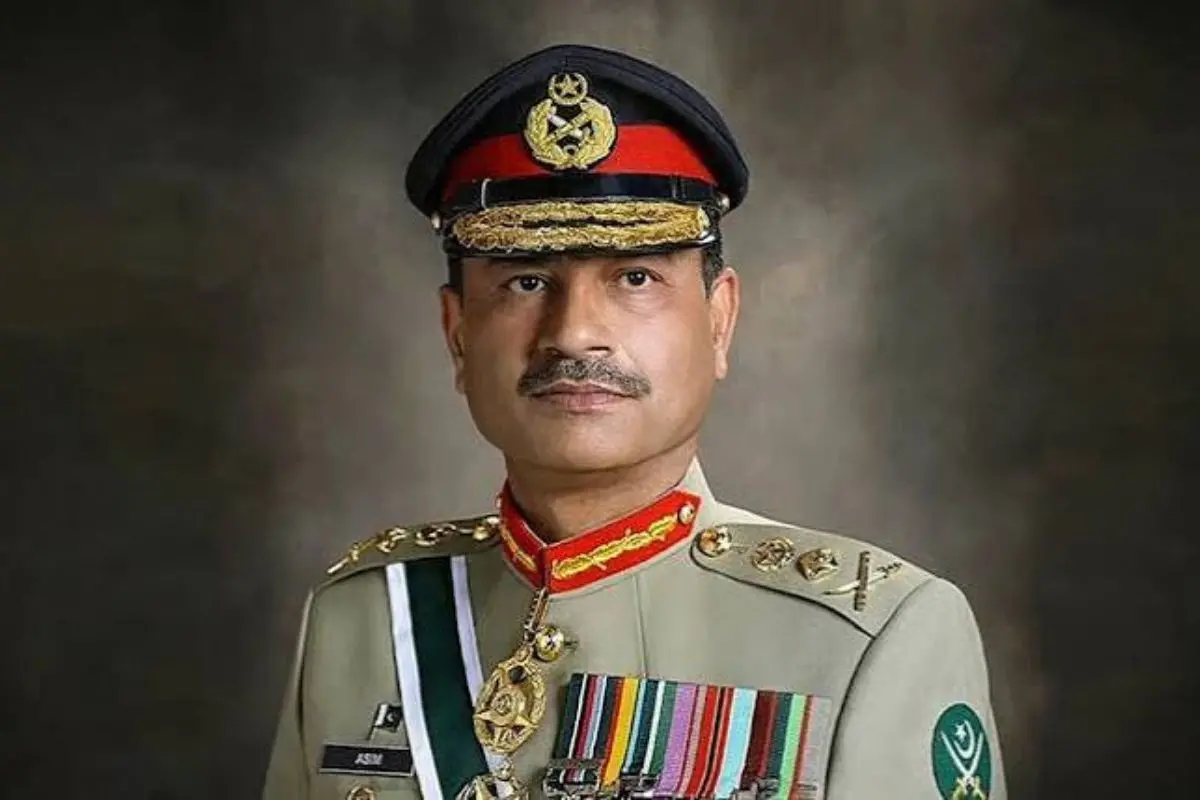
Islamabad: Pakistan has replaced its five-decade-old military coordination system with a powerful Chief of Defence Forces post, giving Asim Munir formal operational command over the Army, Navy and Air Force.
Pakistan has fundamentally changed its military command structure by giving the newly created Chief of Defence Forces (CDF) operational command over the army, navy and air force. Field Marshal Asim Munir, who continues to serve as army chief, has become the country's first CDF, placing all three services under a single command structure.
Pakistan's Parliament has passed the Defence Forces of Pakistan Act, 2026, formally establishing the post of Chief of Defence Forces.
Asim Munir is the first officer to hold the position while retaining his existing role as chief of the army.
The legislation replaces the decades-old system centred on the Chairman of the Joint Chiefs of Staff Committee (CJCSC), which was created in 1976.
Unlike the former post, the CDF has statutory operational authority over all three branches of Pakistan's military.
What has changed?
Under the previous structure, the army, navy and air force largely maintained separate chains of command.
The CJCSC's primary role was coordination between the services and it did not have direct operational command over the navy or air force.
The new CDF structure changes that arrangement.
The CDF now has operational command and control of Pakistan's armed forces, with the military headquarters reporting to the federal government.
The new arrangement is intended to establish a clearer chain of command from the prime minister through the CDF and the service chiefs to military formations.
Asim Munir now oversees three services
The change means Asim Munir's formal authority extends beyond the army.
As CDF, he can exercise operational command involving the:
- Pakistan Army
- Pakistan Navy
- Pakistan Air Force
He therefore holds two major positions simultaneously: army chief and Chief of Defence Forces.
The combination has raised questions because the CDF position is now permanently associated with the serving army chief rather than rotating among the three services.
Why critics say the reform is army-centric
Critics argue that the restructuring could significantly increase the Pakistan Army's institutional influence over the country's armed forces.
One major concern involves the National Strategic Command, which oversees Pakistan's nuclear-capable forces.
Under the new arrangement, the commander of the strategic command must come from the army and is appointed on the CDF's recommendation.
Previously, the Chairman of the Joint Chiefs of Staff Committee was a position that could be held by officers from different services.
The change therefore removes the possibility of the navy or air force occupying the equivalent top-level strategic position.
Concerns over civilian control
The restructuring has also triggered debate over civilian oversight of Pakistan's military.
One constitutional question centres on Article 243, which provides for federal government control and command of the armed forces.
Critics argue that giving the CDF operational command over all three services could raise questions about how that authority interacts with the constitutional role of the federal government.
There are also concerns about the concentration of decision-making within a military command headed by the army chief.
Supporters defend the new structure
Supporters of the legislation argue that it does not create an authority outside Pakistan's constitutional framework.
Supreme Court advocate Hafiz Ahsaan Ahmad Khokhar said Parliament was giving legislative effect to a structure established through the country's 27th constitutional amendment.
The reform's supporters also point to military structures in countries including the UK, Canada and Australia, although the precise arrangements differ and their equivalent senior defence positions can rotate between services.
Why Pakistan says the reform was needed
The government has presented the restructuring as a way to modernise military command and improve coordination.
The stated objectives include:
- better coordination between land, air and maritime forces;
- integration of cyber and drone capabilities;
- reducing fragmentation between the services;
- faster decision-making during national security crises; and
- establishing a clearly defined chain of command.
The changes come after Pakistan's four-day military conflict with India in May 2025, adding further significance to the country's effort to reorganise its higher defence command.
Why this is a major change
The most important distinction is between coordination and command.
The former CJCSC structure was primarily designed to coordinate Pakistan's three military services. The new CDF position has actual operational authority across the Army, Navy and Air Force.
That makes the change more than an administrative reshuffle.
For Asim Munir, the reform consolidates authority that was previously associated primarily with the army chief's position and places it within a statutory three-service command.
The reform could also alter the institutional balance between Pakistan's military services. Because the CDF is simultaneously the army chief and the strategic-command structure is now tied to an army officer, critics see the system as more army-centric.
The other major issue is civil-military oversight. Supporters maintain that the CDF remains accountable to the federal government, while critics question whether concentrating operational authority in one military office could make civilian oversight more difficult in practice.
The long-term significance will therefore depend not only on what the law says, but on how the new command structure operates alongside the prime minister, federal government, service chiefs and National Command Authority.