Deadly violence mars Bangladesh elections as BNP leader killed, tea garden worker found murdered
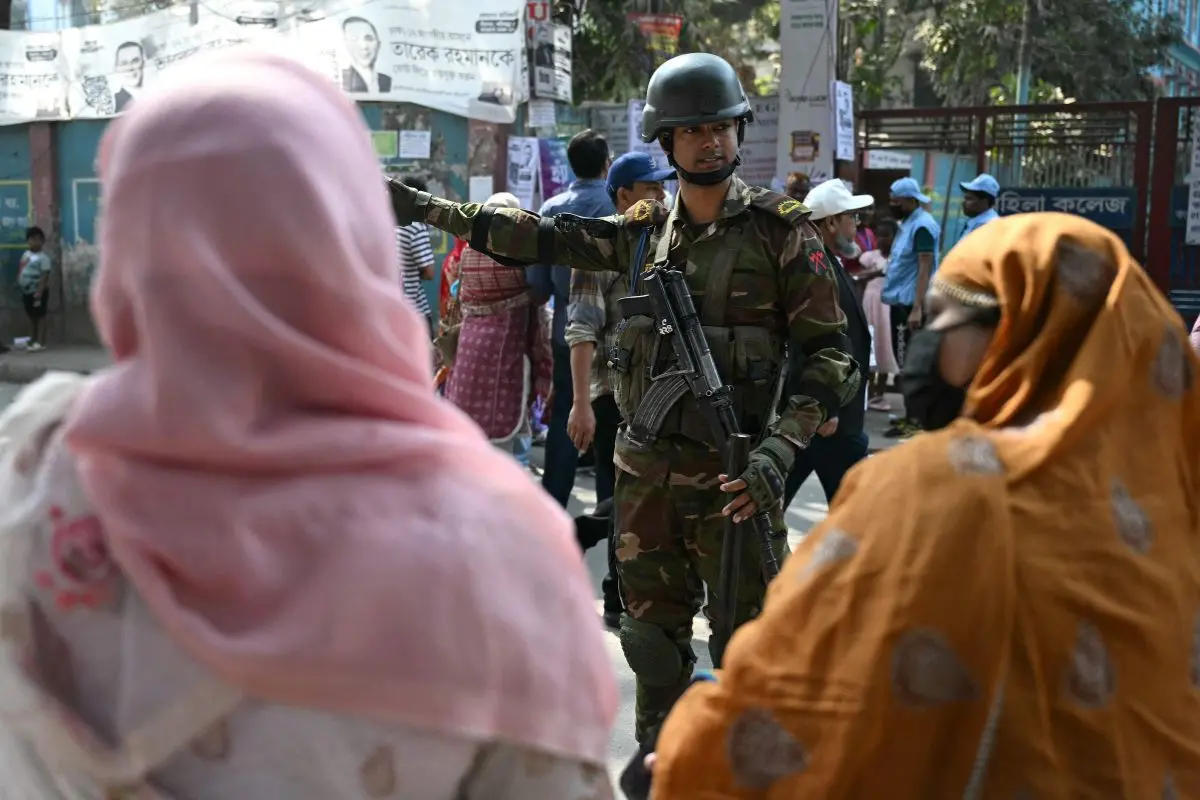
Dhaka: Bangladesh’s high-stakes general elections were marred by violence and tragedy on Thursday, as reports of deadly clashes and a shocking murder case surfaced while voting was underway across the country.
In Khulna district, Mohibuzzaman Kochi, a local leader of the Bangladesh Nationalist Party (BNP), died following a confrontation near the Alia Madrasa polling station. According to party members and police, tensions escalated between supporters of the BNP and Jamaat-e-Islami early in the day.
BNP leaders alleged that Kochi sustained fatal head injuries after being pushed during an altercation. He was rushed to Khulna City Medical College Hospital, where doctors declared him brought dead. Police officials confirmed that they intervened at the scene to disperse rival groups and restore order.
The incident triggered fresh accusations between political parties, with the BNP claiming intimidation and provocation by opponents. Authorities said an investigation into the circumstances of Kochi’s death is underway.
Meanwhile, a separate and disturbing case emerged from Moulvibazar district in northeastern Bangladesh. Police recovered the body of 28-year-old Ratan Shuvo Kar, a tea garden worker, from Champara Tea Garden in Kamalganj upazila, approximately 200 kilometres from Dhaka.
Locals discovered the body around 10 am on Wednesday and alerted authorities. According to preliminary reports, the victim’s hands and legs were tied, and his body bore visible injury marks. Eyewitnesses described the scene as “bloodied” and “brutal,” sparking shock and anxiety within the tea garden community.
Ratan’s elder brother, Laxman Kar, said the family had been searching for him since the previous night after he failed to return home. Police have registered a case and launched a probe into the suspected murder, though no arrests had been reported at the time of writing.
Though officials have not directly linked the killing to election-related activities, the discovery added to an already tense atmosphere as Bangladesh headed to the polls.
Elsewhere, sporadic violence was reported at several polling centres. In Gopalganj, a cocktail bomb explosion injured security personnel and civilians, including members of the Ansar auxiliary force.
The blast caused panic among voters, though polling reportedly continued after security reinforcements arrived.
Political parties traded allegations of voter obstruction, intimidation, and attacks on activists. Jamaat-e-Islami leaders claimed their supporters were prevented from casting ballots in certain constituencies, while election authorities maintained that voting was proceeding despite isolated disturbances.
Bangladesh’s Election Commission said turnout remained steady in many regions, even as security forces were placed on high alert nationwide.
As counting is expected to begin after polls close, the violent incidents have once again raised concerns about electoral security and the fragile political climate in Bangladesh.