After Trump softens strike threat, Iran says diplomacy with US depends on goodwill; Turkey steps in
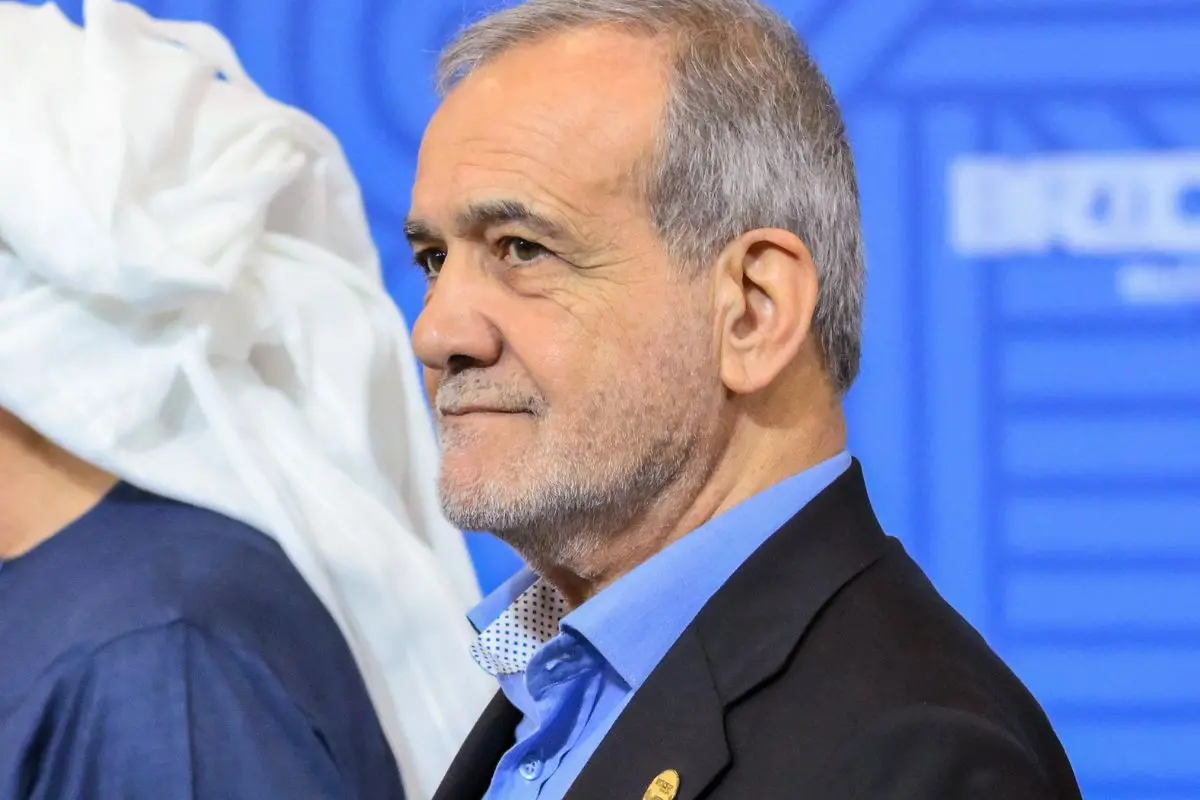
Tehran: Iran’s President Masoud Pezeshkian has stressed that the success of diplomacy with the United States depends on ending threatening actions in the Gulf, following Washington’s heavy military deployments in the region.
Speaking to Turkish President Recep Tayyip Erdogan on Friday, Pezeshkian said: "The success of any diplomatic initiative depends on the goodwill of the parties involved and the abandonment of belligerent and threatening actions in the region," according to a statement from the Iranian presidency.
The comments come amid heightened concern over US military movements in the Gulf, which Tehran views as aggressive. Analysts suggest Pezeshkian’s call signals a push for de-escalation while keeping channels of dialogue with Washington open.
Turkey steps in to mediate between Tehran and Washington
Iran’s Foreign Minister Abbas Araghchi visited Turkey on Friday as Ankara sought to mediate tensions between Tehran and Washington. The move follows a period of heightened warnings after US President Donald Trump threatened military action over Iran’s crackdown on protests sparked by economic grievances in late December, peaking on 8–9 January.
Pressure increased after the US sent a naval fleet to the region, with Trump stating that time was “running out” for Iran and urging the country to reach a deal on its nuclear programme, which the West fears is intended for an atomic bomb.
Late on Thursday, Trump downplayed the immediate risk of military action, saying, “We have a group headed out to a place called Iran, and hopefully we won't have to use it,” while attending the premiere of a documentary about his wife Melania.
President Erdogan told Pezeshkian that Turkey was “ready to assume a facilitating role between Iran and the United States to de-escalate the tensions and resolve the issues.”
During his Istanbul visit, Araghchi held talks with Turkish top diplomat Hakan Fidan and met Erdogan, according to Iran’s foreign ministry.
International responses and threats of ‘countermeasures’
Gulf states hosting US forces have called for calm, while Tehran ally Russia has urged negotiations. The European Union also opposed military action but condemned Tehran for the crackdown, designating Iran’s Revolutionary Guards (IRGC) a “terrorist organisation.”
Iran swiftly condemned the designation. Araghchi called it a “mistake,” and the military described it as “irresponsible and spite-driven.”
Senior advisor to Supreme Leader Ayatollah Ali Khamenei, Ali Shamkhani, warned on X that “countermeasures will be immediate,” accusing the West of hypocrisy over Israel’s war in Gaza. “The meaning of terrorism in American and European discourse has been transformed,” he said.
EU chief Ursula von der Leyen defended the IRGC designation, stating: “‘Terrorist’ is indeed how you call a regime that crushes its own people's protests in blood.”
Rights groups report that the crackdown killed thousands. The US-based Human Rights Activists News Agency (HRANA) confirmed 6,479 deaths, including 6,092 protesters and 118 children, though the toll is believed to be far higher. Iranian authorities acknowledge over 3,000 deaths, asserting most were security forces or bystanders killed by “rioters.”