Crude oil surges to $125 amid West Asia tensions; will petrol, diesel prices rise in India?
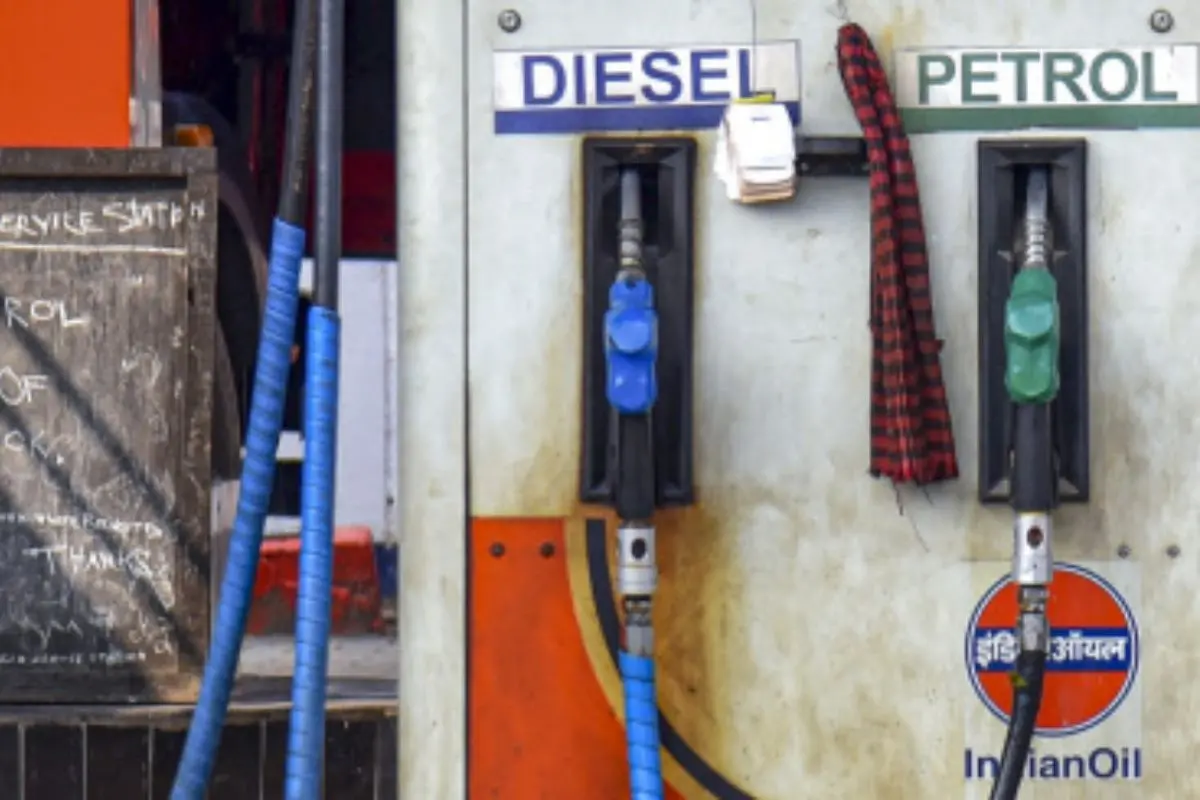
Global oil markets have witnessed a sharp surge, with Brent crude touching around $125 per barrel, driven by escalating geopolitical tensions in West Asia and fears of supply disruptions.
The rise comes amid continued uncertainty over US-Iran relations and concerns surrounding key global oil supply routes.
Why crude oil prices are rising sharply
The spike in oil prices is largely linked to geopolitical instability in West Asia. Concerns over potential conflict involving Iran and reports of strategic developments involving the United States have unsettled markets.
A major flashpoint is the Strait of Hormuz, a critical global oil transit route. Any disruption or blockade in this region significantly impacts global supply, pushing prices higher. Alongside Brent crude, US benchmark WTI has also risen above $109 per barrel, reflecting widespread market volatility.
How rising crude impacts India’s economy
India, being one of the largest importers of crude oil, is highly sensitive to global price movements. A sustained increase in crude prices directly raises the country’s import bill and puts pressure on fiscal calculations.
Budget estimates are typically based on much lower crude price assumptions. A jump towards $90 or above represents a significant increase, and at current levels near $125, the strain becomes even more pronounced.
Higher crude prices also lead to increased transportation and logistics costs. This, in turn, raises the cost of goods and services, contributing to inflation across sectors, especially affecting household expenses.
Will petrol and diesel prices rise in India?
If crude oil prices remain elevated for a prolonged period, petrol and diesel prices in India may eventually see an increase. However, the government has so far not announced any immediate hike.
Officials have indicated that while short-term stability can be maintained through policy measures, sustained high crude prices make it difficult to fully absorb costs without passing some burden to consumers. Any revision in fuel prices may depend on global trends and domestic policy decisions in the coming weeks.
Government stance on fuel price concerns
The government has maintained that there is currently no proposal to increase petrol or diesel prices. It has also taken steps in the past to shield consumers from global volatility through tax adjustments and policy interventions.
At the same time, officials have acknowledged that completely insulating domestic prices from global crude trends is not feasible in the long run.
Fact check: Viral fuel price hike claim is false
Amid rising concerns, a viral message claiming a steep hike in petrol and diesel prices circulated widely on social media. The claim suggested an increase of ₹10 per litre for petrol and ₹12.50 for diesel.
However, the Press Information Bureau (PIB) has clarified that the document is fake and no such decision has been taken by the Government of India. The Ministry of Petroleum and Natural Gas also termed the reports “misleading” and urged citizens to rely on official sources.
What lies ahead
With crude oil prices remaining volatile and geopolitical tensions unresolved, global energy markets are expected to stay uncertain. For India, the key concern remains balancing economic stability with rising import costs, while protecting consumers from sudden price shocks.
If crude prices remain elevated over the coming weeks, the possibility of fuel price adjustments cannot be ruled out, along with broader inflationary pressure on the economy.