Kerala likely to face another round of power cuts in November amid widening supply gap
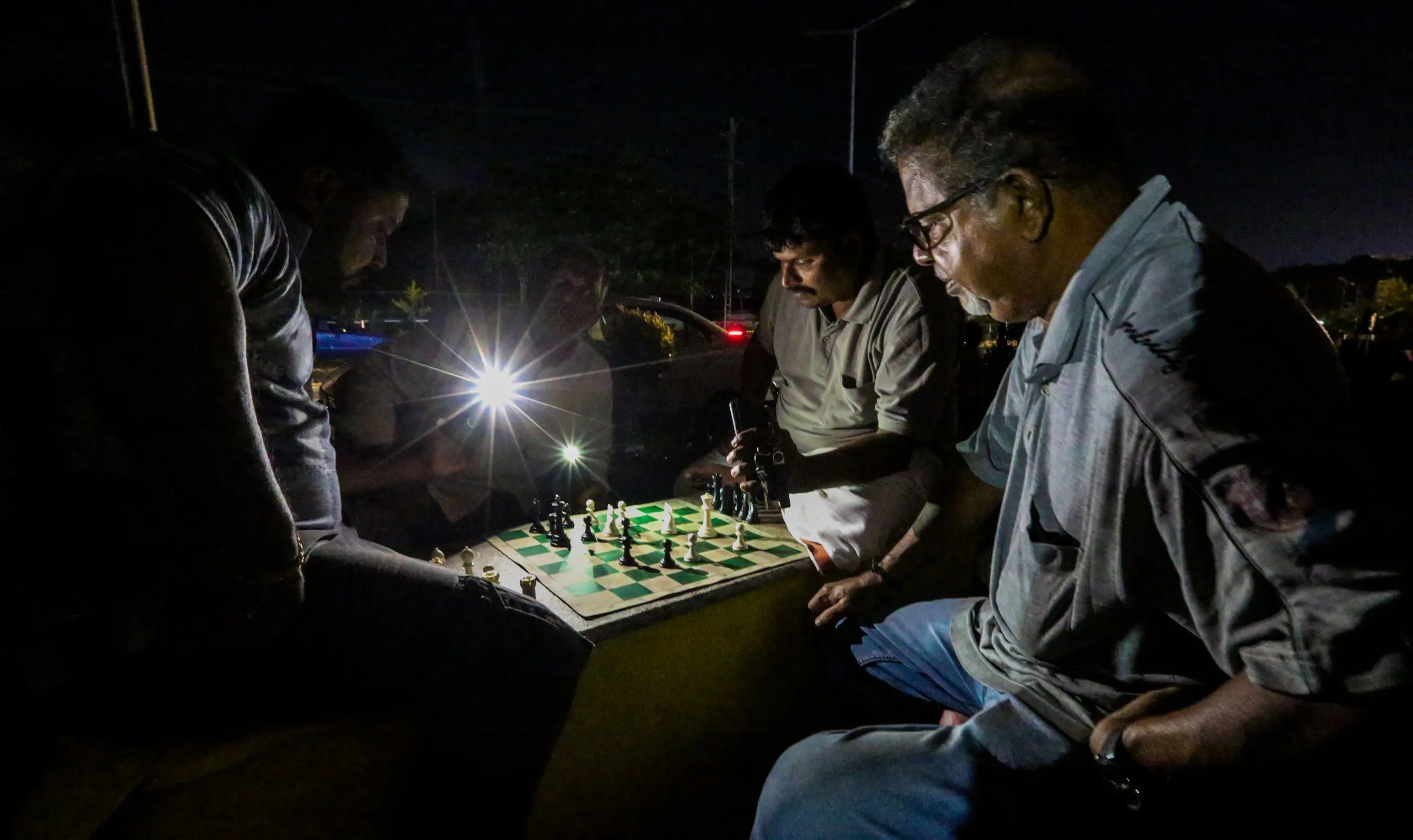
Kerala is bracing for fresh evening power cuts starting on Sunday, November 1, marking the third round of load-shedding under the United Democratic Front (UDF) government. The Kerala State Electricity Board (KSEB) expects a peak-hour electricity deficit of up to 900 megawatts (MW) between 6:00 pm and midnight. Although power cuts were avoided in October following earlier disruptions in July and September, the state now faces a severe supply deficit as peak consumption hovers around 4,900 MW. If a dry spell occurs, electricity demand could jump to 5,500 MW, whereas maximum available state capacity will drop to just 4,200 MW from November 1.
Government delays and lost power contracts
The immediate trigger for this crisis is an administrative delay in extending a short-term power purchase contract with Himachal Pradesh. Himachal Pradesh had been supplying between 900 MW and 1,200 MW of peak-hour power at Rs 14.50 per unit since October, following intervention by All India Congress Committee (AICC) general secretary K.C. Venugopal. However, a file seeking government approval to continue this supply until May 15 remained pending with state authorities for over three weeks without clearance. Despite meetings between Electricity Minister Sunny Joseph, KSEB officials, and Chief Minister V.D. Satheesan, approval was not granted. Consequently, Rajasthan secured the power by offering Rs 15.50 per unit, forcing Himachal Pradesh to stop electricity supply to Kerala from November 1. Officials noted that timely government negotiations might have secured the power at Rs 12.50 per unit.
Surging demand and future relief measures
Soaring household demand has worsened the gap between supply and demand. Unrestricted peak demand spiked by 28 per cent in July and 26 per cent in September year-on-year, driven by increased adoption of air conditioners, electric vehicles, and induction cooktops. This surge coincided with poor monsoon rainfall caused by the El Niño phenomenon. Overall rainfall reached only 72 per cent of the long-period average, while reservoirs in Idukki suffered a 56 per cent rainfall deficit. National coal shortages and cancelled long-term power contracts have further strained supply across India.
To manage the shortfall, the State Electricity Regulatory Commission cleared 1,000 MW of power purchases at Rs 6.90 to Rs 10 per unit, whilst advising KSEB on October 29 to use exchange-traded electricity futures to hedge against price volatility. Earlier, KSEB contracted 292 MW via exchanges and received 150 MW from the Centre in September, alongside 404 MW allocated from central generating stations. Infrastructure projects, including the 400kV Karinthalam substation and battery storage systems expected by December, alongside future solar and pumped-storage plans, aim to build long-term stability.
The Opposition CPM has been criticising the UDF government over the recurring power cuts. However, electricity restrictions had also been introduced by KSEB during the previous CPM-led Left Democratic Front (LDF) government's tenure, before the UDF assumed office.