Juni’s plastic-free journey: How this Kerala entrepreneur is leading an eco-friendly revolution
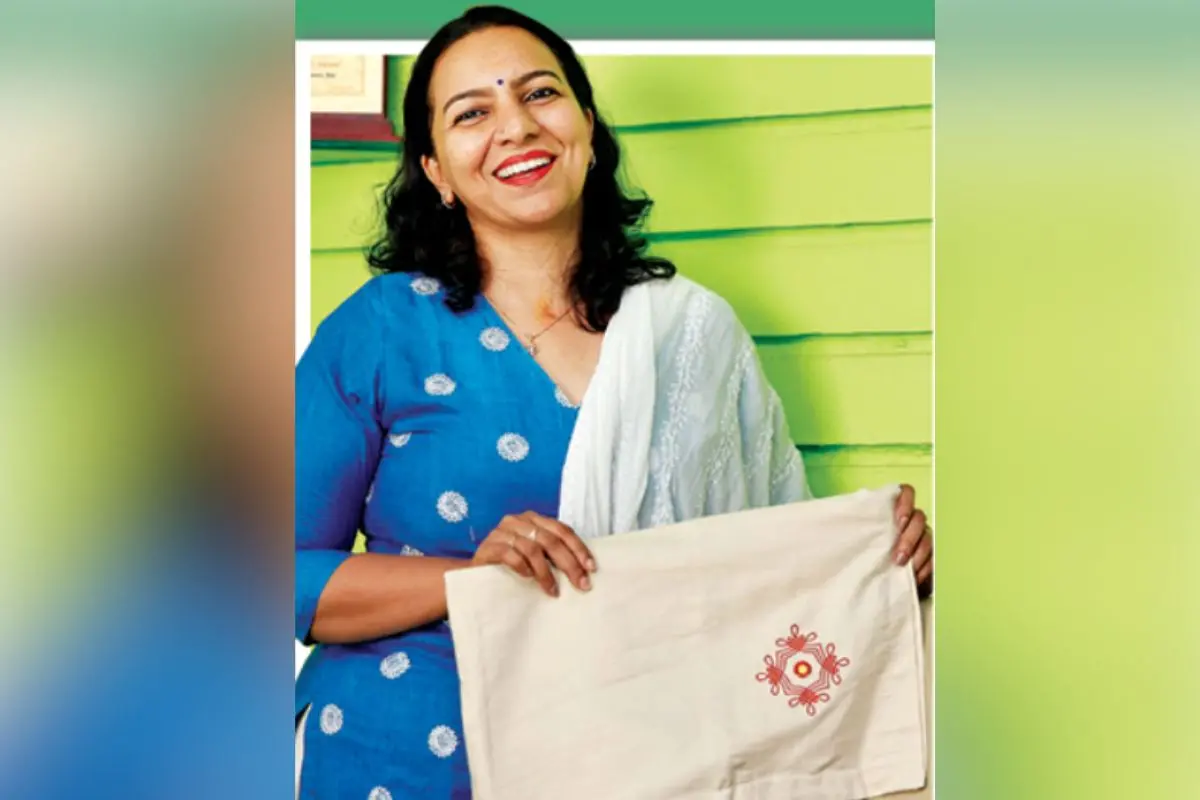
One day in Kozhikode back in 2016, Juni Roy was before a senior figure at Iringal Sargalaya, introducing products from her new venture. Having explained everything she had studied about the product, the senior enquired, “Are you saying there is absolutely no plastic in your plates or glasses?” “No,” Juni responded firmly.
At that moment, the senior lit a match, picked up her glass, placed it on the table and brought the flame close to it. Juni froze—aware that fire could cause anything—but then the glass began to emit a scent. Juni wondered whether to step forward or back. After the flame went out, the senior finally declared, “You’re right—no plastic here.” It was then that her breath returned, relief flooding in.
Someone mentioned that he was a chemical engineer. The Sargalaya then bought Juni’s product several times thereafter.
That product—a biodegradable plate and glass crafted of sugarcane fibre—was the very first offering of what would, nine years later, evolve into ‘Urvi Ecowares’, a flourishing plastic‑free store that began selling exactly those goods. Juni embarked on this pioneering business in Kerala.
How was the beginning?
She got married while studying for her BSc in Computer Science at IHRD, Kozhikode. In 2002, she launched a steel‑construction firm with a friend. As things progressed well, she had to step away due to her daughters’ studies. When her daughter joined medical school, she felt bored and sought a business venture of her own.
What if the saree got stained?
Whenever she went for any weddings or receptions, she struggled with light weight plates which could fall easily. There was always the worry of food spilling on clothes. During her business research, when she learned about sugarcane‑fibre plates and glasses, it struck her as a perfect idea—totally natural and entirely plastic‑free—quite distinct from paper products merely covered with plastic. That’s when she realised it was a genuine business opportunity. Initially, the products were imported from Delhi for sale.
She then expanded the shop to include products that aligned with nature. She began selling clay products with steel handles. She also designed laundry washing stone stones. She hand‑crafted newborn wraps and nappies using mul-mul cloth, mittens and socks, offering them as themed sets. Later, she included menstrual cups and other essentials. Though such items are now common, at the time they were unique to Kerala.
What clothing is safe for babies?
When she visited Coimbatore in search of herbal-dyed fabrics most suitable for newborns, that became the inception of her herbal textile line. Most garments use chemical dyes—but her herbal garments would use only natural colours extracted from leaves, flowers and fruits. Thus, her herbal clothing brand “Kasaya” was born. She is now branching into baby sets, bed sheets, pillow covers, undergarments and socks crafted with that ethos.
Juni is the daughter of Dr Nirmalchandran and Janaki. She resides in Nanma on the Eranhipalam-Othayamangalam road. Her husband is retired DYSP Roy Rojas and children are Dr Rivika doing MD in general medicine CA student Rithika.
First stall at Mathrubhumi Food Festival
At first people hesitated to buy her products as they were priced higher. Architects who preferred eco‑friendly options were the first to purchase them. The Mathrubhumi food festival gave her a solid start. Gradually, customers began buying, and today orders pour in from outside Kerala too. The business now runs with four staff members.