Gulf of Kutch environment case: SC stays coercive action against Tata Chemicals
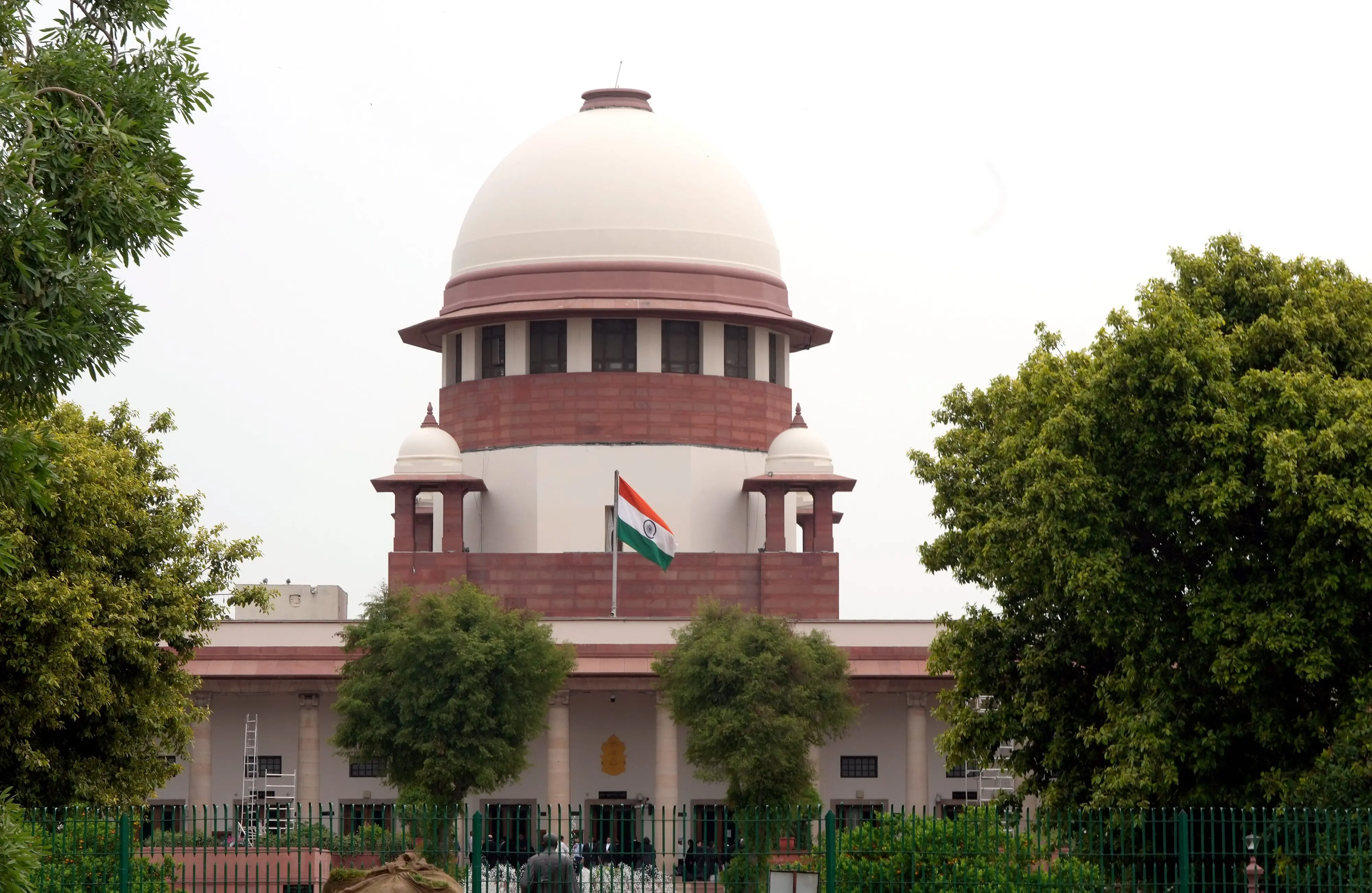
New Delhi: The Supreme Court on Monday ordered that no coercive action be taken against Tata Chemicals over alleged environmental damage and encroachment involving a marine sanctuary in Gujarat's Gulf of Kutch, while seeking the Gujarat government's response to the company's challenge to a Gujarat High Court ruling.
A bench headed by Chief Justice of India Surya Kant, along with Justices Joymalya Bagchi and V Mohana, issued notice on Tata Chemicals' plea challenging the Gujarat High Court's May 25 judgment.
The court directed the Gujarat government to respond by November 2 and ordered, “Meanwhile, no coercive action shall be taken against the petitioners.”
The order gives Tata Chemicals temporary protection from coercive steps while the Supreme Court considers the company's challenge.
Senior advocate Abhishek Singhvi, appearing for Tata Chemicals, told the bench that the case involves issues concerning environmental degradation and encroachment.
What is the dispute about?
The case concerns Tata Chemicals' Mithapur facility in Gujarat and legacy open channels that were used to discharge wastewater into the sea.
The company had challenged a 2006 order of the district collector that rejected its claim over land used for these open channels.
The Gujarat High Court dismissed the company's plea on May 25.
The High Court also rejected Tata Chemicals' claim that it had pre-existing rights over the wastewater channels and found that government land forming part of the marine sanctuary had been encroached upon.
High Court orders environmental assessment
The Gujarat High Court directed the Gujarat Pollution Control Board to appoint experts to assess the environmental impact caused to the area.
The experts were also directed to determine appropriate remediation measures and compensation within three months.
The High Court's order therefore placed the focus not only on the company's claim over the land but also on assessing the environmental consequences and the steps required for restoration.
Why the Supreme Court order matters
The Supreme Court's direction does not finally decide whether Tata Chemicals caused environmental damage or whether the High Court's findings were correct.
Instead, it temporarily prevents coercive action while the company's appeal is considered.
The next significant step will be the Gujarat government's response to the Supreme Court notice and the subsequent proceedings on Tata Chemicals' challenge to the High Court judgment.
Mithapur facility and wastewater channels
The dispute relates to historical infrastructure at Tata Chemicals' Mithapur facility, which has been operating for decades.
According to the material provided, the legacy open discharge channels are no longer operational and have been replaced by a closed deep-sea pipeline. This means the litigation concerns historical wastewater-discharge infrastructure rather than an order halting the plant's current operations.
However, the environmental liability remains an important issue because the High Court had directed an expert assessment of possible damage, remediation requirements and compensation.
Environmental accountability
The case highlights the legal and financial questions that can arise when environmental concerns involve older industrial infrastructure.
If the Supreme Court ultimately upholds the High Court's findings, Tata Chemicals could face obligations relating to environmental remediation and compensation, the extent of which would depend on the assessment ordered by the High Court.
At this stage, however, the Supreme Court has only granted interim protection against coercive action. The underlying environmental dispute remains pending.
The immediate focus will be on the Gujarat government's response and the Supreme Court's examination of Tata Chemicals' challenge to the High Court ruling.
The case also raises broader questions about how environmental damage linked to legacy industrial operations should be assessed and who should bear the cost of restoration.
For Tata Chemicals, the eventual outcome could determine the extent of any environmental remediation or compensation liability connected with the Mithapur facility. But no final liability has been determined by the Supreme Court at this stage.
The company's separate business and financial developments should not be conflated with this case. Any potential impact on its finances from environmental compensation would depend on future judicial orders and the outcome of the expert assessment.