Strait of Hormuz tensions rise: Will India be affected after Chinese ships turned back?
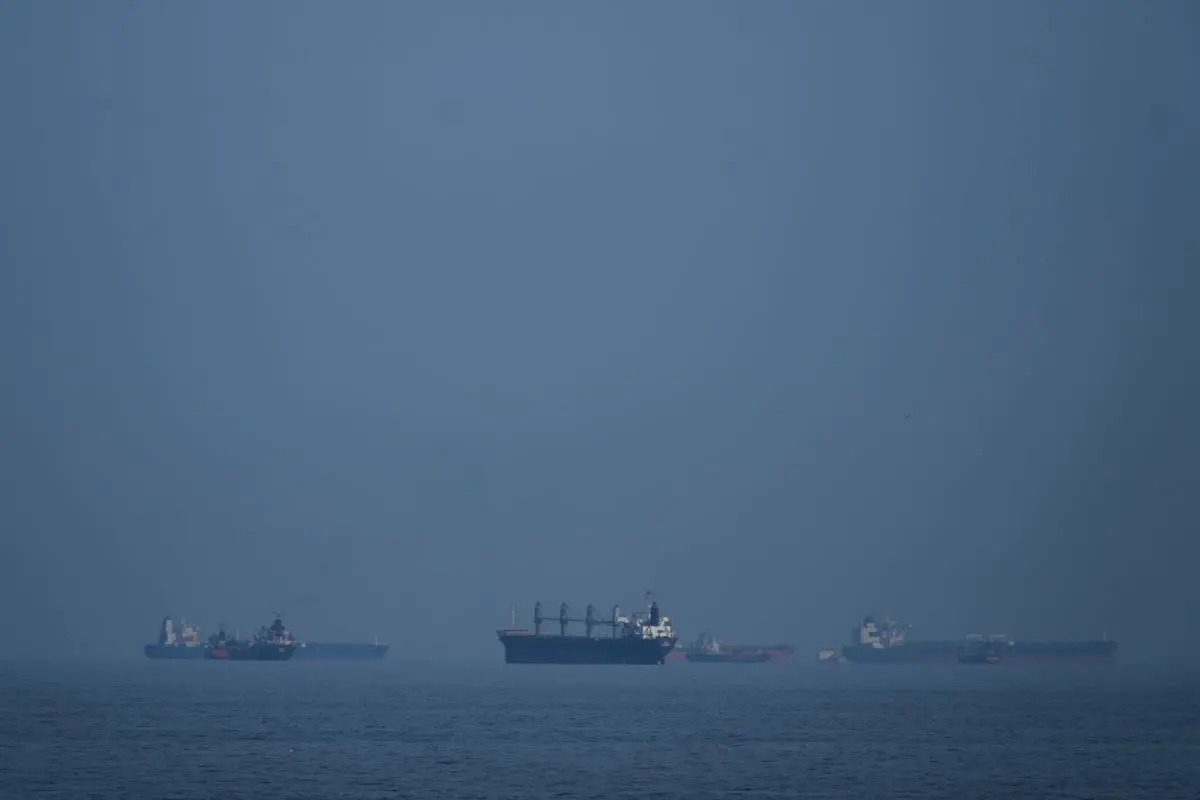
New Delhi: Iran on Friday turned back two China-owned container vessels from the Strait of Hormuz, despite earlier assurances that “friendly nations”, including India, would be allowed to transit through the strategic waterway.
The move is seen as unusual, given Tehran’s earlier stance of restricting passage primarily for countries it considers supporters of Israel and the United States.
Iran has earlier said that India remains among the “friendly nations” allowed to use the strategic waterway. Iranian Foreign Minister Seyed Abbas Araghchi said, "We have permitted certain countries that we consider friendly to pass through (Strait of Hormuz). We allowed China, Russia, India, Iraq, and Pakistan to transit."
However, he also made it clear that the restriction remains firmly in place for adversaries.
"We are in a state of war. The region is a war zone, and there is no reason to allow the ships of our enemies and their allies to pass through. But it remains open to others," he said.
The Strait of Hormuz, a narrow but crucial shipping corridor between the Persian Gulf and the Gulf of Oman, handles nearly 20 per cent of global oil and liquefied natural gas (LNG) supplies. Any disruption in this route has immediate implications for energy-importing nations like India, which relies heavily on West Asia for its oil and gas needs.
Global oil and gas prices have already surged following Iran’s effective blockade of the strait, even as uncertainty grows over how selectively the restrictions will be enforced. The turning back of Chinese vessels has added to concerns about unpredictability in Tehran’s policy, despite its assurances to certain countries.
Meanwhile, the United States has stepped up pressure on Iran, offering a 15-point ceasefire proposal that includes relinquishing control of the strait, while also deploying additional troops to the region. US President Donald Trump has warned that if Iran does not reopen the route to all traffic by April 6, he could order strikes on Iran’s energy infrastructure. He said talks to end the conflict were going “very well,” though Tehran maintains it is not engaged in any negotiations.