ePlane to use digital twin technology with Nvidia for India’s first electric air taxi
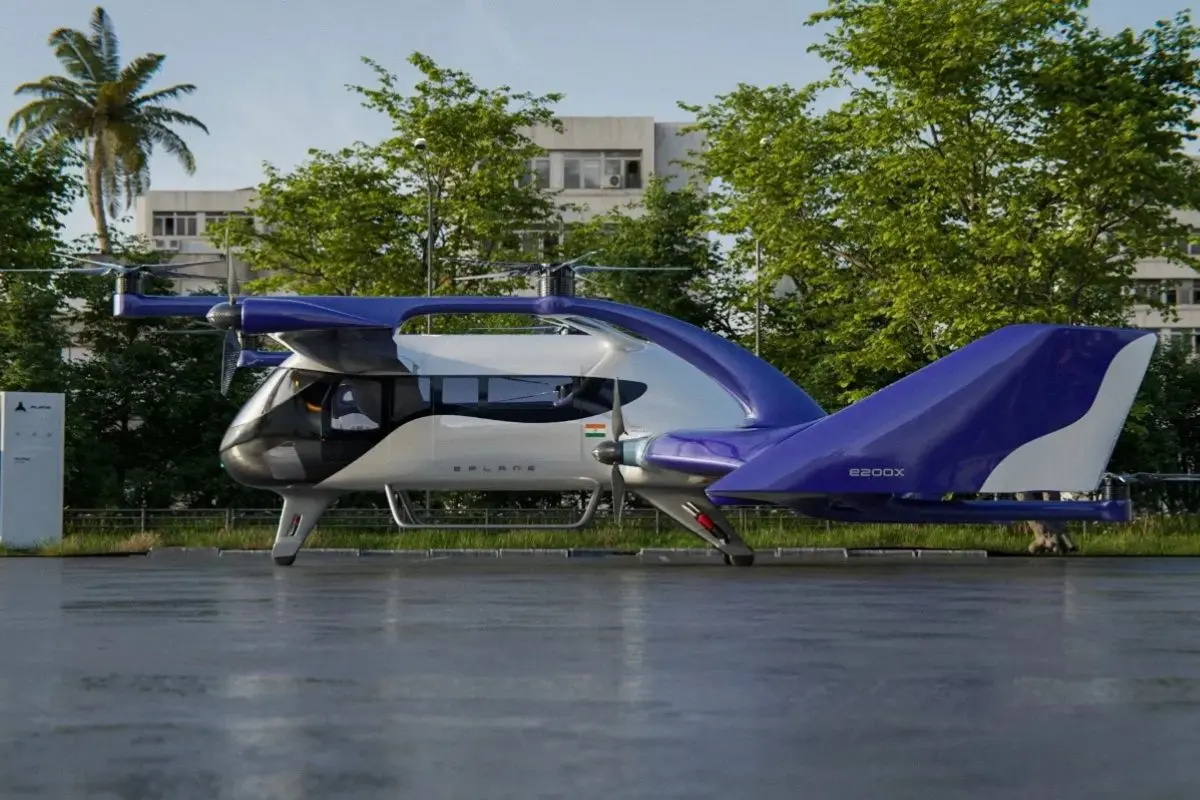
The ePlane Company, an Indian startup developing electric vertical take-off and landing (eVTOL) aircraft, has partnered with Nvidia to build a digital twin of its electric air taxi, the e200x.
The collaboration is based on technology sharing and does not involve any financial investment.
At the centre of the partnership is the creation of a “digital twin”, a highly detailed virtual replica of the real aircraft. Using Nvidia’s Omniverse platform, ePlane will build a digital version of the e200x that can simulate real-world flying conditions inside a computer environment.
This digital twin will allow engineers to test flight behaviour, autonomous systems, sensor coordination and emergency situations without physically flying the aircraft.
Physical testing of aircraft can be expensive, time-consuming and sometimes risky especially when testing extreme weather conditions, system failures or collision scenarios. With a digital twin, the aircraft can fly millions of kilometres virtually.
Engineers can simulate heavy rain, high winds, sensor malfunctions or even unexpected mid-air situations to see how the aircraft’s systems respond. This allows them to train and refine flight control software and autonomy algorithms in a safe and controlled environment.
By running thousands of simulations, the company can identify and correct potential issues before the aircraft enters real-world testing.
The company will also use Nvidia’s IGX computing platform as the onboard computing system to run critical flight applications.
Satya Chakravarthy, Founder and Chief Technology Officer of ePlane, said the digital twin plays a crucial role in improving safety and performance. “By validating our flight operations in simulation, we are pushing the aircraft to its limits digitally instead of doing it physically. This helps us reduce risk and build confidence before actual flights,” he said.
The first prototype of the e200x has already been built. According to Bakthakolahalan Shyamsundar, Principal Engineer Avionics Systems and Autonomy, ground testing will begin in the coming months.
The company plans to build two more prototypes and then move towards certification with the Directorate General of Civil Aviation (DGCA). Officials from the regulator are already working with the team in Chennai.
The IIT Madras-incubated startup aims to introduce electric air taxi services in cities such as Bengaluru, Mumbai and Chennai after completing testing and regulatory approvals.
By combining digital simulation with physical development, the company hopes to accelerate certification while improving safety standards, marking a significant step in India’s emerging urban air mobility sector.