2 ECs complained 14 times, 2 senior officials exited: What is happening inside the Election Commission?
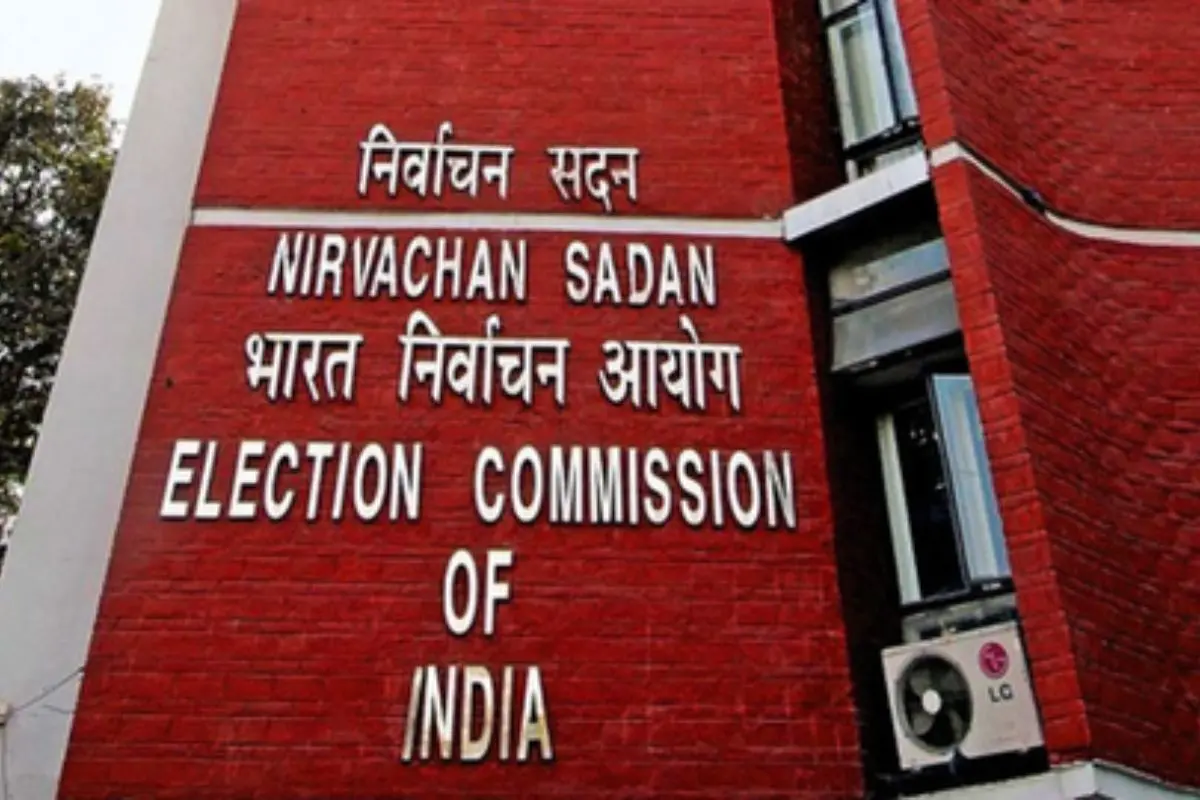
New Delhi: The Election Commission of India is facing renewed scrutiny after an investigation by The Indian Express reported that Election Commissioners Sukhbir Singh Sandhu and Vivek Joshi recorded objections at least 14 times over 10 months on decisions linked to voter registration, deletion and restoration of names, and the poll panel’s technology systems.
The two commissioners also separately wrote to Cabinet Secretary T V Somanathan on July 29 over changes to the ECI’s internal work allocation and supervision of its IT division.
What happened inside the Election Commission?
The controversy centres on reports that Sandhu and Joshi repeatedly objected to decisions being taken in the name of the three-member Commission without, according to their written objections, their knowledge or approval.
One major disagreement concerned Form 6, used by new voters to apply for registration. The investigation reported that the ECI introduced an additional declaration linked to earlier SIR electoral rolls.
Joshi reportedly objected that a statutory form could not be changed through an SIR order and that the required changes should go through the government and the proper rule-making process. Sandhu later supported that view, according to documents cited in the report.
Why did the two commissioners write to the Cabinet Secretary?
The dispute also involved the ECI’s IT systems.
According to the media investigation, an internal order on July 28 removed Deputy Election Commissioner Sanjay Kumar from supervising the Director General of IT. Sandhu and Joshi wrote separately to the Cabinet Secretary the next day, questioning the change and describing it as contrary to the law governing the Commission.
On July 30, the two commissioners jointly set aside the revised work allocation and directed that the earlier arrangement continue until the Commission reached a consensus.
They also raised concerns about access to electoral-roll databases through systems including ERONet and ECINet.
What does SIR have to do with it?
The Special Intensive Revision, or SIR, is an exercise to review and update electoral rolls.
The investigation reported that Sandhu and Joshi questioned the increasing centralisation of access to voter databases. They argued that statutory officials, including Electoral Registration Officers, needed proper access to carry out their legal duties.
In Goa, 97 voters had reportedly been found eligible for inclusion but the software did not allow the decision to be recorded.
Questions were also raised over appeals filed in West Bengal against decisions restoring voters. Sandhu reportedly sought details about who had authorised the appeals and why the commissioners and the state Chief Electoral Officer had not been informed.
What about the senior officials who left?
The developments have also drawn attention to changes involving senior ECI officials.
Gyanesh Bharti, then a Deputy Election Commissioner, was repatriated to his parent AGMUT cadre through an order issued on August 10 and was later appointed Chief Secretary of the Andaman and Nicobar Islands.
The timing has prompted questions about whether the events are connected. However, the sequence alone does not establish that the July 29 letters caused Bharti’s departure or any other administrative change.
What are opposition leaders saying?
Congress leader Pramod Tiwari has called for Chief Election Commissioner Gyanesh Kumar to resign and demanded that the concerns raised by the two commissioners be made public.
P. Chidambaram said the controversy raises questions about both the ECI’s decisions and the process through which those decisions were made. He wrote on X: “There are two separate points: 1. Decision; and 2. Decision-making process.”
Congress leader Manish Tewari and Shiv Sena (UBT) leader Sanjay Raut have also questioned the reported decision-making process and the ECI’s functioning.
These are political reactions to the reported findings and should be distinguished from the underlying documents and events.
What does the controversy show?
The reported 14 objections, the July 29 letters and the dispute over IT work allocation have brought the ECI’s internal decision-making process under scrutiny.
However, the reported disagreements do not by themselves prove that elections were manipulated or that voters were deliberately disenfranchised. Those claims would require separate evidence.
The key questions are how decisions affecting electoral rolls were authorised and implemented, whether required procedures were followed, and how disagreements between members of the Commission are resolved.