Air India’s decade old widebody fleet to get a luxury upgrade to woo passengers
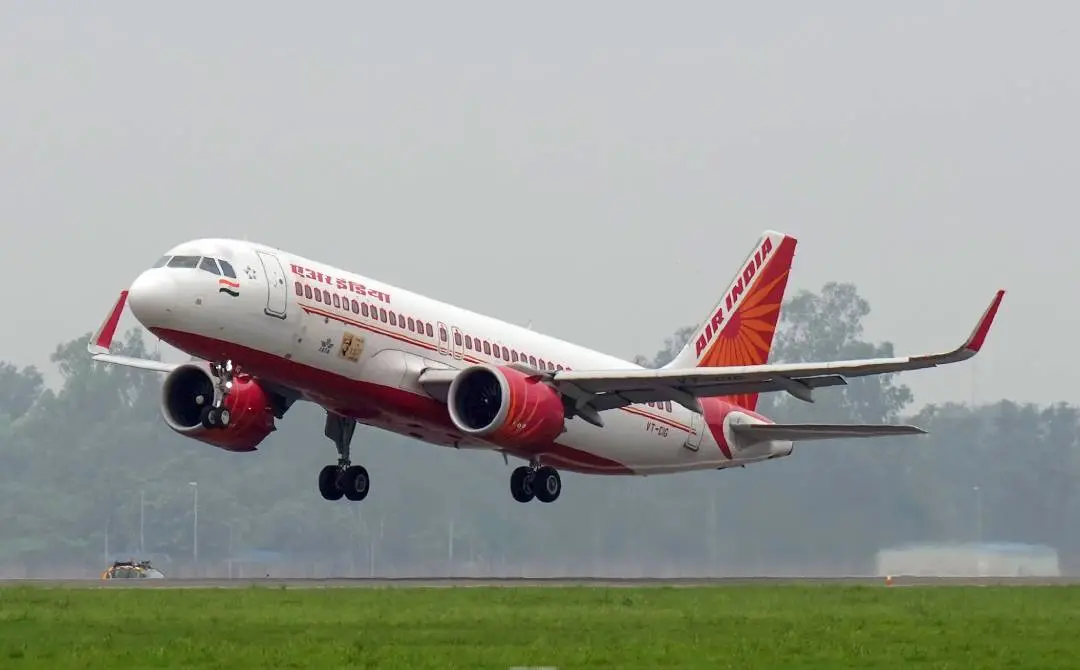
With a legacy of Maharaja charm and a vision set firmly on global skies, Air India is in the thick of a bold transformation—one it hopes will silence critics, win back loyalty, and reset expectations in Indian aviation.
Air India is pulling out all the stops in its bid to reclaim customer trust and the latest step in its multi-billion-dollar transformation plan is a full-scale revamp of its Boeing 787-8 Dreamliners, many of which have been in service for over a decade without major cabin upgrades.
A total of 27 Dreamliners, inducted between 2012 and 2016, are set to undergo a comprehensive cabin overhaul as part I of the airline’s fleet modernization project. These aircraft will be fully refurbished by early 2027. The aircraft, long criticized by fliers for their worn-out interiors and inconsistent service quality with social media playing its part, with tales of missing entertainment systems, broken seats, and uninspiring meals going viral.
But the tide may be turning. Early reviews of the refurbished aircraft hint at a positive reception, with flyers appreciating the significant upgrades and improved punctuality.
From tired to trendy: The 787 overhaul
The interiors of these long-haul aircraft are being stripped down and rebuilt—seat by seat, screen by screen. Passengers can expect fully lie-flat business class seats, an upgraded premium economy cabin, and refreshed economy seating with better recline and legroom.
New inflight entertainment systems with larger HD screens, onboard Wi-Fi, custom lighting schemes for jetlag reduction, and contemporary Indian design aesthetics are central to the redesign. The airline is also introducing touchless lavatories and improved insulation to reduce cabin noise, a key complaint among frequent international travellers.
Phase II: Timeline and rollout
The second phase of transformation will focus on revamping the older Boeing 777 widebody aircraft. However, this part of the plan may take longer due to delays in getting new seats from suppliers.
The airline is also cutting layover times. For instance, passengers travelling between Australia and Europe now have only a 3-hour stop in India, down from 10 hours. The scale and speed of the revamp reflect Air India’s urgency to shed its legacy image and reposition itself as a premium carrier in global markets.
More than a makeover
While the aircraft interiors are getting a glossy new look, the transformation also includes crew retraining, a rebrand of service protocols, and the reimagining of the iconic Maharaja mascot to appeal to modern sensibilities.
The upgrade effort is part of a $400 million cabin retrofit program, embedded within the airline’s larger $70 billion aircraft acquisition and modernization initiative.
“We want our guests to see and feel the difference—not just in how the aircraft looks, but in how it performs and serves,” an Air India spokesperson said.
The stakes are high
The revamp comes at a time when Indian travelers are increasingly opting for foreign or private carriers that offer higher standards of comfort and reliability. With rising competition from IndiGo’s expanding international network, and new entrants like Akasa Air, Air India’s comeback strategy is racing against time.
The question now: Can a refurbished Dreamliner help erase the memory of delays, broken seats, and dysfunctional screens?
Air India seems to think so with the skies in 2025 may just tell a different story.