Air India crash: What are fuel control switches and how do they work?
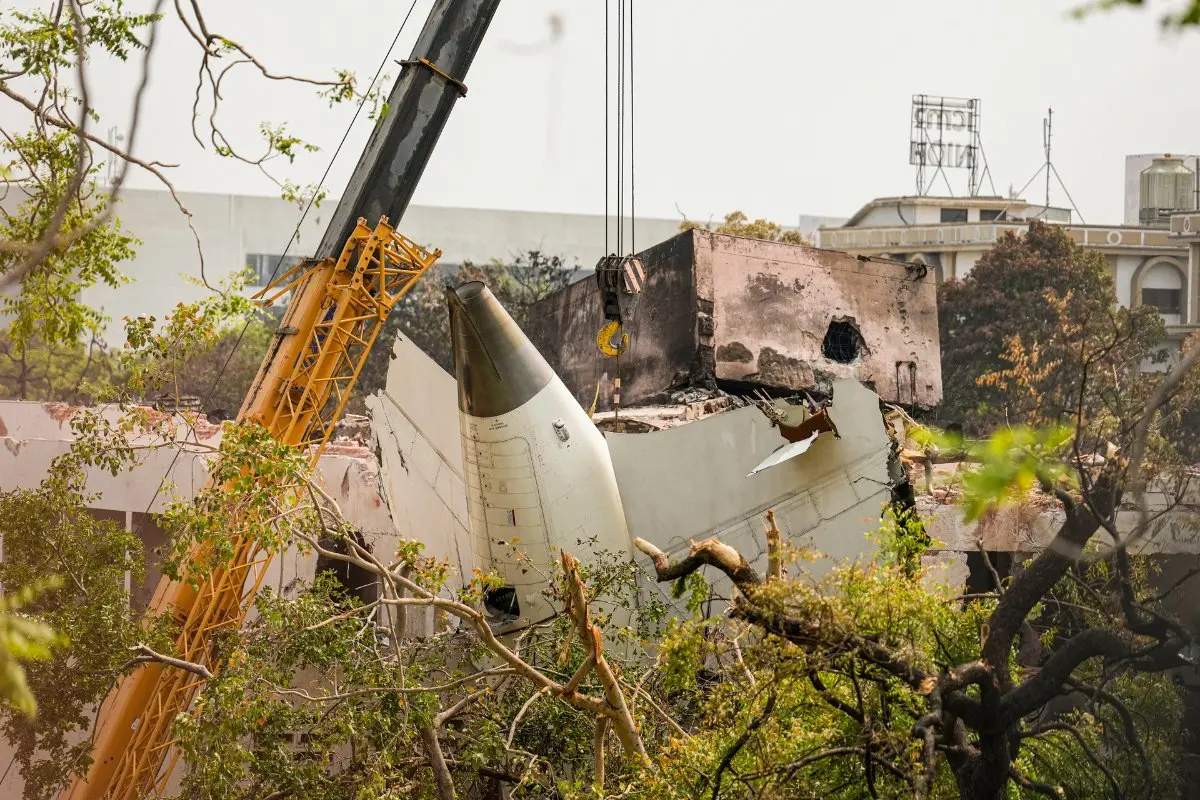
A preliminary investigation into the tragic Air India crash that claimed 260 lives has revealed that both engine fuel control switches were briefly moved to the ‘cutoff’ position just seconds after takeoff, starving the engines of fuel and leading to a sudden loss of power.
This explainer breaks down what fuel switches are, how they function, and what the flight data and cockpit recordings tell us about the critical moments before the crash.
What are fuel control switches?
Fuel control switches are vital components used to regulate the flow of fuel to an aircraft’s engines. Pilots use these switches to start or shut down engines on the ground and also to manually stop or restart engines in the event of a malfunction during flight.
According to aviation experts, these switches cannot be accidentally triggered due to their spring-loaded design. If moved, however, the consequences are immediate, cutting off engine power almost instantly.
There are two positions for the switches: RUN and CUTOFF. Switching to cutoff severs the fuel supply, effectively shutting down the engine. This function is typically used after an aircraft has landed and is preparing for shutdown.
Location of the Switches on a Boeing 787
In the Boeing 787, such as the one involved in the crash, which was fitted with two GE engines, the fuel control switches are positioned below the thrust levers. These are spring-loaded and require a deliberate action to change modes: the pilot must first pull the switch upward before moving it between run and cutoff.
The switches and the fuel valves they operate are connected by independent wiring and powered by separate systems, adding to their reliability and resistance to accidental engagement.
What happened on the Air India Flight?
The flight data recorder captured a concerning timeline: just seconds after takeoff, both engines’ fuel control switches were moved from run to cutoff one after the other, with a time gap of only one second. This caused the engines to begin losing power.
The cockpit voice recorder also captured an exchange between the pilots. One pilot was heard asking the other, “Why did you cut off the fuel?” to which the other responded, “I did not do so.” The preliminary report did not specify whether these comments were made by the captain or the first officer.
Seconds later, both switches returned to the run position, according to the report. At the crash site, investigators found both fuel control switches still in the run mode.
Could the engines have restarted?
When the fuel control switches are moved back from cutoff to run mid-flight, the Boeing 787’s engine control system is designed to handle a relight sequence. This involves the automatic reintroduction of fuel and ignition to restore thrust. However, in this case, the engines did not recover in time to prevent disaster.
(With agency inputs)