Can Tata fix Air India before trust crashes? Focus shifts to safety over growth
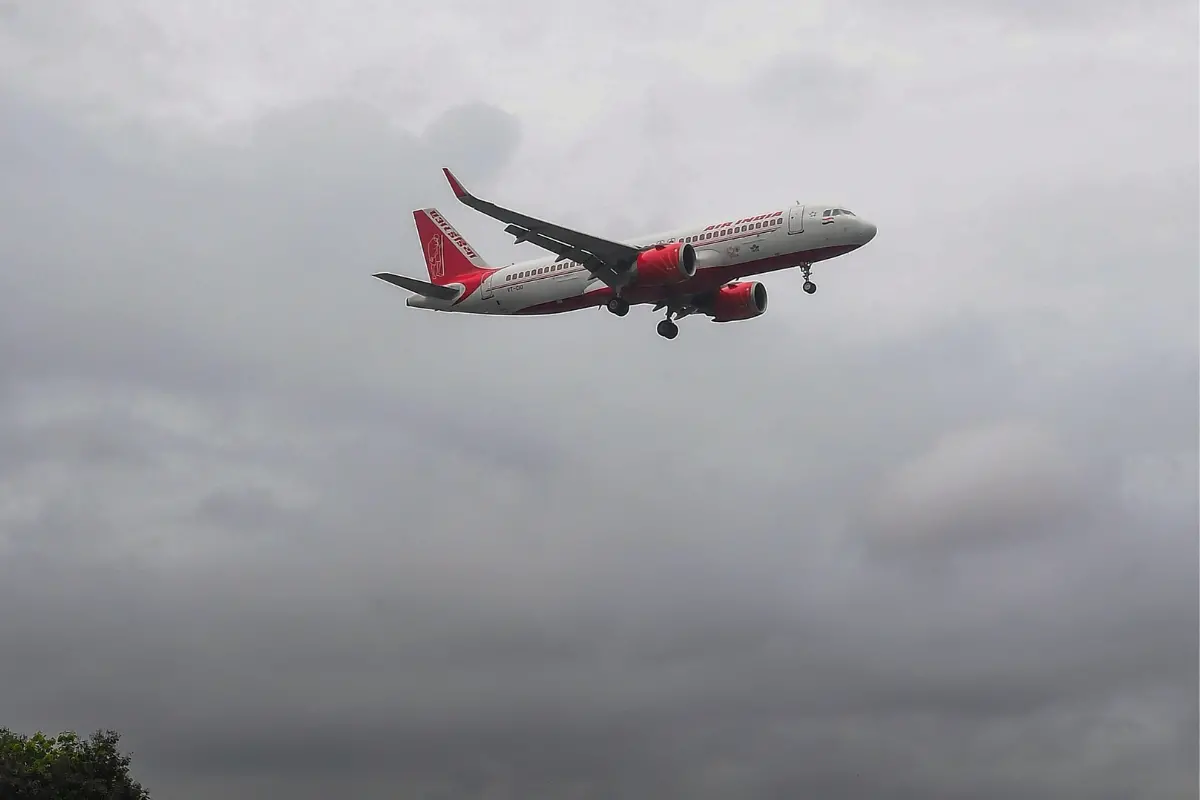
Mumbai: In the aftermath of the tragic Air India Flight 171 crash on 12 June 2025, a major safety overhaul is underway involving top leadership from the Tata Group and the Indian government.
Tata Sons chairman N Chandrasekaran, aviation minister Ram Mohan Naidu, and aviation secretary Samir Kumar Sinha have held intense discussions in recent days to address serious concerns surrounding the airline’s maintenance, leadership, and communication practices.
These discussions follow several regulatory interventions and public safety concerns over Air India’s operations. CEO Campbell Wilson also held detailed meetings with government officials, which reportedly led to specific suggestions being tabled.
One key takeaway is a shift in mindset—from aggressive growth to absolute safety. Officials involved have said, “Sacrifice growth, but ensure safety” is now the new guiding principle. The government was briefed on the immediate steps taken post-crash, including internal safety reviews and changes in operational oversight.
Among the most pressing concerns is the airline’s engineering and maintenance system. A shortage of spare parts has led to aircraft flying under “minimum equipment list” (MEL) conditions for longer periods. MEL refers to aircraft being allowed to operate with certain non-critical components temporarily non-functional, provided safety is not compromised.
Post the Vistara-Air India merger last year, a clash of organisational cultures has added to the airline’s challenges. Sources say that the better-run systems of Vistara have not yet fully integrated into Air India’s legacy-heavy operations.
To aid this transformation, a more visible role for Singapore Airlines (SIA)—which owns a 25.1% stake in Air India—is being considered. The goal is not only to repair Air India’s image, but also to reinforce trust in the Tata-SIA partnership behind the Maharaja’s revival.
Air India has already reduced its flight schedules post-crash to ease operational pressure. A cultural reset prioritising maintenance discipline, transparency, and engineering excellence is now being encouraged.
The turnaround effort is drawing lessons from the Boeing 737 MAX debacle, where rapid commercial competition led to safety compromises and eventually global distrust. Officials are keen to ensure Air India doesn’t repeat such a mistake.
In short, both the government and Tata leadership now seem aligned on one message: slow down, fix what’s broken, and put passenger safety first—before expansion or profits.