
DGCA investigates Air India for repeated safety violations, including crew fatigue, training lapses, and understaffing. Concerns rise after a fatal Boeing 787 crash
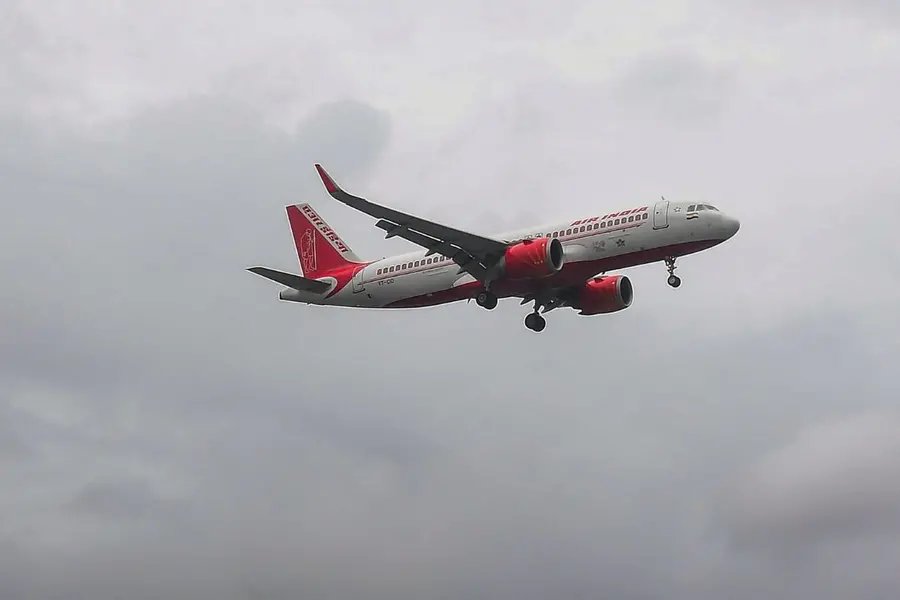
Air India is under heightened scrutiny from the Directorate General of Civil Aviation (DGCA) for repeated breaches of safety protocols, particularly in crew fatigue management and training oversight. A series of government notices accessed by Reuters reveal the aviation regulator’s growing concerns about systemic failures in compliance and operational control.
The warnings come at a critical time for the airline, which recently reported itself to the DGCA following a fatal crash involving one of its Boeing 787 Dreamliners in Ahmedabad.
Multiple violations and a pattern of non-compliance
According to four DGCA notices dated July 23, Air India is being held accountable for 29 separate safety violations spanning the last two years. The notices detail failures ranging from violations of mandatory rest periods for pilots and inadequate simulator training, to under crewing of international flights and lack of preparedness for operations at high-altitude airports such as Kathmandu.
“Despite repeated warnings and enforcement action in the past, systemic issues related to compliance monitoring, crew planning, and training governance remain unresolved,” one of the notices stated. It further added that the recurrence of such violations indicates a “failure to establish and enforce effective control mechanisms.”
The violations included cases where pilots did not receive the required weekly rest, instances where simulator-trained pilots were allowed to fly beyond their certification validity, and a breach in April where a pilot flew from Kathmandu without undergoing the mandatory terrain-specific training. Kathmandu airport’s mountainous location and table-top runway demand prior simulator familiarisation due to its high-risk operating conditions.
Former Aircraft Accident Investigation Bureau legal advisor Vibhuti Singh explained, “This is substantially risky because Kathmandu requires prior training. In case of an emergency, pilots will not have the time to consult a manual mid-flight.”
Cabin crew shortages and internal oversight gaps
The DGCA also noted instances where four international Air India flights operated in April and May 2025 with fewer than the required 15 cabin crew members, further raising questions about the airline's internal oversight.
One notice directly addressed to senior executives, including Director of Flight Operations Pankul Mathur and Director of Training Amar Bhatia, cited weekly rest violations involving pilots as recently as June 2025.
A senior Indian government official with knowledge of the matter told Reuters, “We are concerned that Air India is taking things for granted. We have given them many warnings.”
The Ministry of Civil Aviation informed Parliament this week that Air India received nine show cause notices in the last six months alone. In 2023, Indian aviation authorities issued 23 safety-related warnings or fines to various carriers, eleven of them involved the Air India group.
Air India’s response
Air India said the current warnings pertain to issues voluntarily disclosed by the airline over the past year. “We remain committed to the safety of our crew and passengers,” the airline said in a statement, adding that it would be responding to the regulator in due course.
The DGCA has not yet publicly commented on the matter.
The situation poses a significant challenge to Tata Group’s broader ambitions of transforming Air India into a world-class airline. Regulatory action under consideration could include financial penalties or even the removal of senior executives.
Meanwhile, international scrutiny is also mounting. The European Union Aviation Safety Agency (EASA) announced earlier this month that it would begin an investigation into Air India Express, the group’s low-cost subsidiary, after a report revealed delays in the replacement of engine parts on an Airbus A320 aircraft.
Separately, Indian regulators found in May that Air India had flown three Airbus aircraft without completing mandatory emergency equipment checks, adding to the growing list of safety lapses now under the spotlight.
As the investigation into the Ahmedabad crash continues and regulators consider enforcement action, Air India’s operational integrity and governance will likely remain a critical concern for both domestic authorities and international aviation bodies.
Published: 24 Jul 2025, 06:42 pm IST
Disclaimer: Kindly avoid objectionable, derogatory, unlawful and lewd comments, while responding to reports. Such comments are punishable under cyber laws. Please keep away from personal attacks. The opinions expressed here are the personal opinions of readers and not that of Mathrubhumi.
