‘Enhance your breasts’: Dia Mirza says men pressured her to change her looks
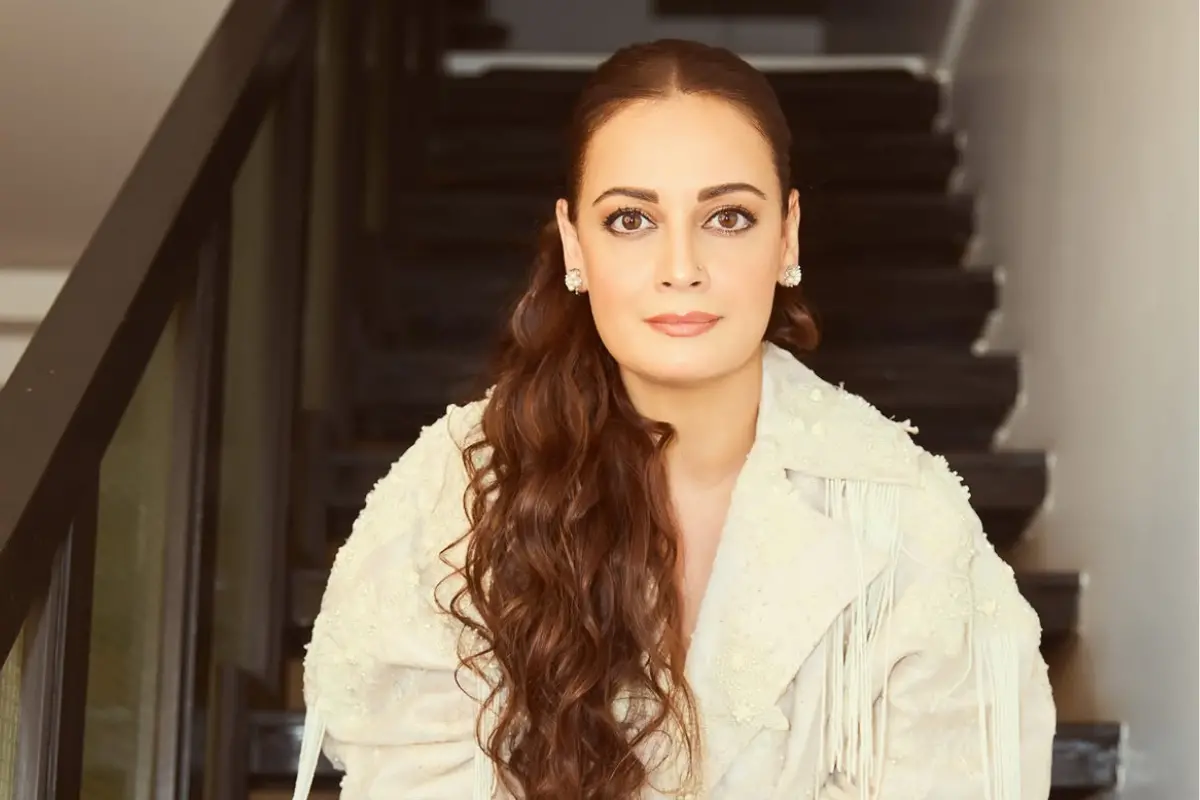
Beauty standards have long dictated how women are expected to look, but according to actor Dia Mirza, the pressure to change often comes from an unexpected place.
In a recent conversation with ‘She The People’, the actor revealed that throughout her career, the most unsolicited beauty advice she has received has consistently come from men and not women.
"I've never had a woman sit me down and say, 'Go inject your lips, your lips are too thin,' or 'Enhance your breasts, they are too small.' It is always a man who tells you to do that," Dia said, adding that she has also experienced ageism in the entertainment industry.
Reflecting on today's beauty culture, Dia questioned an industry that encourages women to constantly "fix" themselves while placing little importance on their overall well-being. She argued that modern wellness has become heavily focused on appearances rather than genuine health.
Using everyday examples, she pointed out the contradictions of chasing external perfection such as practising yoga in polluted air or exercising without having the mental space to truly feel at peace. According to her, these habits lose their meaning when inner well-being is ignored.
"We live in a very material world, where everything we are told is external. There is so little focus being given to the internal geography that makes up our body and mind," she said.
Dia also spoke about the growing popularity of cosmetic procedures, saying it is "terrifying" to see more women turning to them than ever before. In her view, the industry thrives by creating insecurities, and she believes fear is often the tool used to market these procedures.
"The drivers of that industry are men, and they drive it through fear," she said.
The actor believes that when a woman feels compelled to alter her appearance, it is often because someone has made her feel she isn't attractive enough in her natural form. While cosmetic enhancements may promise confidence, Dia feels they rarely deliver the emotional fulfilment many people are searching for.
She also reflected on how ageism can appear in subtle ways. Even seemingly harmless compliments like, "You look the same," may be intended with affection, she noted, but they also reveal society's fixation on ageing and the expectation that women should resist looking older.