World Hair Transplant Repair Day: Why celebrity cosmetic fails don’t tell the full story
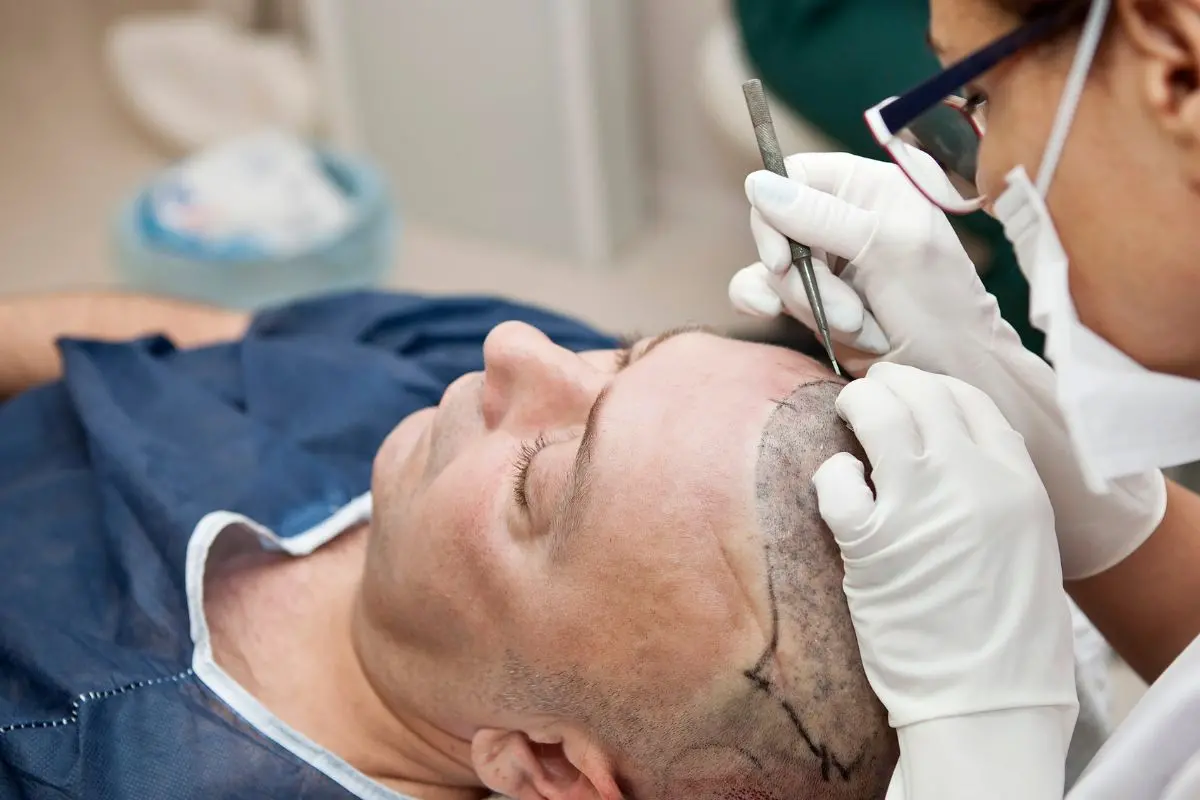
"When big celebrities face procedure failures, it makes headlines. But the truth is, no medical procedure in the world guarantees 100% success," Jayan K, Vice Chairman and CEO of Cutis International Cosmetic Network told Mathrubhumi.
Responding to queries, misconceptions, ethics, and realities of India's booming cosmetic and hair restoration industry, Jayan said -- from viral skincare trends to celebrity makeovers -- the cosmetic and aesthetic industry often makes news for all the wrong reasons, especially when something goes wrong.
Several well-known personalities, including Koena Mitra, Shruti Haasan, and influencers like Uorfi Javed, have spoken openly about botched procedures and corrective surgeries, sparking conversations about safety and accountability in beauty treatments.
But Jayan insists that failure doesn’t always mean fault. “In every medical field, be it cardiology, orthopaedics, or dermatology, there’s a certain percentage of cases that don’t go as expected. That’s just biology. Every human body reacts differently,” he explains.
“We inform every client about the expected outcome, but also make them aware that results can vary,” he says.
According to him, the issue lies in choosing the right place and marketing-driven promises by some clinics that sell “perfect” results. “Many places just sell dreams; they show only the successful cases. We show both: 100 successful and a few unsuccessful ones. People need to make an informed decision.”
That commitment to openness aligns with the spirit of World Hair Transplant Repair Day, observed globally on November 11 to raise awareness about ethical practices and patient safety in hair restoration.
His philosophy is simple: “It’s a medical procedure, not a magic wand. There can be great results, and sometimes, there can be setbacks. Being honest about that is our responsibility.”
Despite awareness campaigns like World Hair Transplant Repair Day, the demand for cosmetic and hair restoration treatments is rising sharply, especially among younger people.
“Hair loss is hitting people as young as 25,” says Jayan. “Most of our clients are between 30 and 45. This is the age when looks matter for both personal and professional reasons- marriage, career, corporate growth, and people now have the money to invest in themselves.”
He points out that cosmetic awareness has become more normalised than ever. “It’s no longer taboo. Earlier, only the rich could afford it. Today, middle-class professionals are walking into clinics confidently. They see it as self-care, not vanity.”
Speaking on affordability and accuracy, Jayan notes that competition is growing, but quality is what will decide who lasts.
“Whenever an industry starts doing well, more people jump in. But only those who maintain ethical standards and ensure customer happiness will stay,” he says. “When choosing a clinic, people should check the doctor’s background, the facility, the safety record, not just the price.”
He adds, “Cutting costs in safety can cost you your confidence later.”
When asked about the growing body positivity movement and the criticism surrounding aesthetic procedures, he offers a balanced perspective.
“We prefer that people stay happy, however they are; everyone is unique and beautiful. But for those who are genuinely affected by their appearance, we are here to help,” he says. “Happiness is about awareness and self-knowledge. But not everyone is there yet, and that’s where we come in to support them.”
He also sees no conflict between self-acceptance and self-enhancement. “It’s about freedom, the freedom to decide what makes you happy. Some people don’t need anything to feel content, some do. We simply help them achieve that happiness safely.”
Over the past eleven years, Cutis has performed more than one lakh successful hair transplant procedures across India. “That experience has helped us perfect the process,” says Jayan “We never compromise on quality or safety — and we make sure every patient is informed about what to expect.”
He also emphasises that each transplant is a personalised medical procedure, not a beauty shortcut. “We do a full health check before every procedure to ensure the patient is fit. It’s a safe, local anaesthesia procedure, similar to a skin stitch, not a complex surgery.”