'Drill, Baby, Drill' backfires: Iran-linked oil shock is now powering shift to renewables
United States President Donald Trump, long the world's most prominent climate‑denying, oil‑friendly leader whose energy mantra is "drill, baby, drill," may, through irony of history, be doing more than almost any world leader to propel the global shift from fossil fuels to clean energy and electric vehicles.
The large‑scale strike campaign the US and Israel launched on Iran in late February triggered a sequence of events that has turned the Strait of Hormuz—the world's most critical oil chokepoint -- into a flashpoint for an energy transformation that could reshape the global economy for decades.
Strait of Hormuz shuts, oil shock goes global
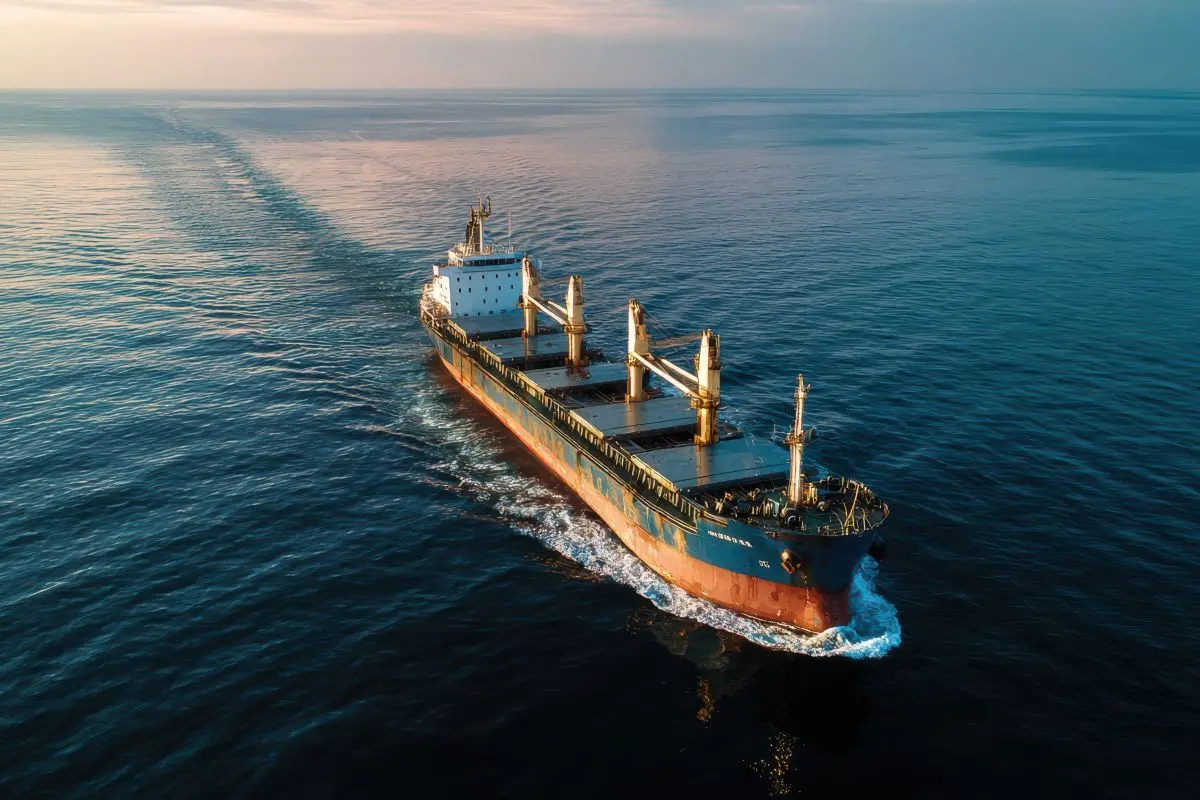
Iran's retaliatory move -- closing the Strait of Hormuz and damaging more than 60 oil and gas sites -- has created the largest disruption of oil supply in recorded history.
Also Read: Will the US Navy scrap its most high‑tech aircraft carrier?
For the first time, a major share of the world's tanker traffic was halted mid‑transit, with roughly 80% of the trapped crude destined for the Asia‑Pacific region.
Emergency measures rippled out almost overnight: governments ordered workers home, banned non‑essential government travel, rationed fuel, and cut school hours to conserve energy.
The consequences have been especially acute in the Pacific, where many island nations depend on diesel‑fired generators to keep the lights on. These nations were already straining under the weight of fuel import bills so high that they diverted funds from healthcare, education, and climate resilience.
Analysts estimate that Fiji's import bill alone could swell by as much as A$933 million -- nearly three times the country's annual healthcare budget -- if the surge in fuel prices proves persistent. Faced with a regional energy emergency, Pacific leaders have declared a collective crisis, signalling that cheap fossil‑fuel imports are no longer a reliable safety net.
Fossil fuels lose their 'reliability' narrative
For decades, fossil‑fuel lobbies and their political allies, including Trump, have framed oil, gas, and coal as the bedrock of "reliable, affordable" power. The reality of the Iran‑linked disruption has dramatically reversed that narrative.
Also Read: Inside the world's toughest nuclear cleanup mission ever
Overnight, fossil fuels have become the embodiment of geopolitical risk, price volatility, and supply fragility, while renewables -- wind, solar, and grid‑scale storage -- have emerged as cheaper, more predictable, and more secure alternatives.
This shift is not just rhetorical. In many parts of the world, the cost of solar power is now lower than the marginal cost of new coal‑fired generation, and wind power is often cheaper than existing gas plants.
Also Read: Trump's absurd Strait stunt
Add in the falling price of batteries and the maturity of EV ecosystems, and the logic of clinging to oil‑dependence no longer stacks up economically, even for governments that have long treated cheap oil as a national right.
Historic summit to wind down fossil fuels
Amid this crisis, more than 50 nations will gather next week in Santa Marta, Colombia, for a landmark summit aimed squarely at planning the managed decline—and eventual end—of coal, oil, and gas use.
The meeting, driven by a coalition of countries frustrated by the glacial pace of fossil‑fuel‑centric action within the UNFCCC climate‑talk framework, is designed to craft a potential standalone treaty that can oversee a phased‑out fossil‑fuel era while protecting workers, pension systems, and financial stability.
Colombian environment minister Irene Velez Torres has called the moment “the best possible time” for such a conference, arguing that the oil‑supply shock has brought the vulnerability of fossil‑fuel dependence into sharp global focus.
The summit is not merely symbolic: several industrialised and developing nations have already announced they will use the gathering as a platform to accelerate their own coal‑exit timetables, oil‑refinery phase‑down plans, and subsidies‑to‑renewables strategies.
From 1970s oil shocks to 2026 "electrification" shock
The current disruption has a historical echo. In the 1970s, Middle East oil shocks tripled then doubled oil prices, forcing a global reckoning with energy efficiency and productivity. The world's oil demand per capita peaked in 1979 and has never recovered, largely because energy‑saving measures -- from more efficient cars to better‑insulated buildings -- became permanent features of modern economies.
The present crisis, however, comes at a very different technological juncture. Since the 1970s, the price of solar panels has fallen by 99.9%, while the cost of wind power has dropped by roughly 91% since 1984.
Battery prices, critical for EVs and grid storage, have plunged by about 99% since 1991. The result is that countries now have credible, ready‑to‑deploy alternatives to fossil fuels, not just marginal add‑ons.
International leaders are responding with a mix of short‑term palliatives and long‑term structural shifts. The European Union, facing a fossil‑fuel‑bill spike of more than $36 billion since February, has announced an accelerated electrification agenda, including expanded subsidies for home heat pumps and EV charging infrastructure.
France has doubled state aid to help households replace petrol‑burning cars and gas‑fired boilers with electric alternatives.
South Korea, which depends on the Strait of Hormuz for more than 70% of its crude imports, has pledged to double its renewable energy capacity within four years.
Electric vehicles: A social‑tipping‑point in motion
The current crisis is accelerating what many climate and transport experts now see as a social tipping‑point for electric vehicles. Climate scientists have long warned of dangerous physical‑climate tipping points -- self‑reinforcing feedback loops that push ecosystems beyond reversible thresholds -- but social scientists are increasingly highlighting positive tipping points, in which a critical mass of collective behaviour suddenly shifts an entire system.
In Australia, the combination of petrol prices surging nearly 50% in March and diesel rising more than 70% has driven EV sales to record highs. New EV registrations are at an all‑time peak, while second‑hand EV markets have more than doubled month‑on‑month, as consumers seek to escape the fuel‑price shock.
Australia's current fleet of 1.3 million hybrids and battery‑electric vehicles now displaces almost 15 million litres of petrol and diesel every week, a figure that is projected to climb sharply if the oil‑price volatility persists.
Globally, the EV momentum is even more striking. In China, the majority of new cars are now powered by batteries rather than oil. In Europe, battery‑electric vehicles outsold petrol‑powered cars for the first time in January.
The signals are clear: as the economic and social costs of fossil‑fuel dependence rise, consumers and policymakers alike are voting—with their wallets and regulations -- for a transport system grounded in electricity, efficiency, and diversified, local‑renewable‑based energy.
From fossil‑fuel war to a new energy order
The Iran‑linked oil crisis, triggered by Trump's aggressive foreign‑policy choices, may ultimately be remembered less for its immediate geopolitical aftershocks than for how it reshaped the world's energy imagination. The narrative of fossil fuels as "safe, cheap, and reliable” has suffered a decisive blow, while the case for renewables, electrification, and energy security rooted in local, weather‑driven resources has grown stronger than ever.
If next week's summit in Santa Marta produces a meaningful coalition committed to a managed fossil‑fuel phase‑out, historians may look back on it as a social tipping‑point moment: the moment when early adopters moved in earnest, and the rest of the world began to follow, not out of altruism alone but out of stark economic and security necessity. Trump, the archetypal fossil‑fuel president, may yet find himself presiding -- unwittingly -- over the beginning of the end of the oil‑centric energy era.