Unveiling the Memetic Matrix: Challenging cultural norms that perpetrate hatred and cruelty
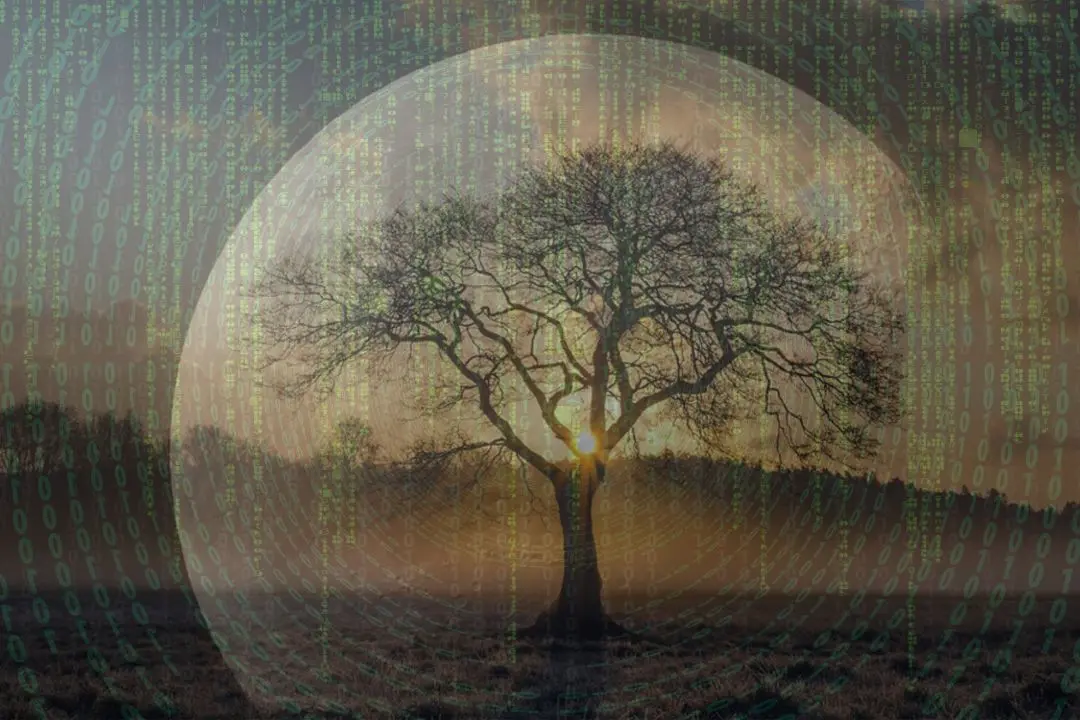
'It's just our culture,' they say. But pause for a moment and ponder: how can cruelty, hatred, selfishness, and bigotry be deemed as integral parts of any human culture? How did we sow the seeds of these destructive attitudes, igniting conflicts that ravage our world? It's a war on multiple fronts - against nature, wildlife, forests, and ultimately, against ourselves. I am on a crusade to unveil the origins of this societal strife and pave the path towards reconciliation.
The chaos and destruction plaguing our world are not mere happenstance, but manifestations of an internal warfare waged within the depths of our minds. Instead of merely treating the symptoms of a world torn apart by conflict, perhaps it's time to confront the root cause head-on. Join a profound journey that delves into the heart of the matter, peeling back the layers of turmoil to uncover the pivotal forces shaping our reality.
We entered this world stripped of preconceptions, absorbing the world around us like sponges. Our parents, our first teachers, moulded our perspectives based on their own experiences. But our attitudes and behaviours weren't hardcoded into our genes like physical traits. It was as if information was dumped into our minds before we could even comprehend it. We absorbed and replicated the actions of those around us, from parents to peers, meticulously following their lead. Yet, beyond human influencers, there are other powerful replicators at play.
Not long ago, the world felt the scorching touch of a relentless replicator: COVID-19. But viruses aren't confined to biology alone; they span three realms - biological invaders, digital saboteurs, and the elusive mind viruses. These clandestine agents share a common mission: find a host, replicate, and spread like wildfire. While we're familiar with the havoc wreaked by biological and digital viruses, the insidious nature of mind viruses still lurks in the shadows, its full potential yet to be realised.
Cultural beliefs and fashion trends aren't just passing fads - they're mind viruses, infecting our thoughts and shaping our behaviours. While some are harmless, others lurk dangerously beneath the surface, like the exploitation of animals. Consider this: a baby, pure and innocent, enters the world devoid of malice. Yet, as they grow, they absorb the beliefs and values of their environment, whether religious, cultural, or scientific. These influences sculpt their attitudes and actions, for better or for worse.
Our world is being transformed into a memetic maelstrom, where ideas are spreading like wildfire and shaping the very fabric of society. It's the electrifying realm of memes, where ideas reign supreme and culture takes shape. Richard Brodie, the mastermind behind 'Mind Virus,' unveils the essence of memes as the fundamental elements of our cultural landscape. Much like genes sculpt life itself, memes mould the very fabric of societies, birthing nations, languages, and religions. Yet, on a microcosmic level, memes serve as the intricate architecture of the mind - the programming code of our mental computers.
In the captivating world of memes, every thought is a building block in the tapestry of human consciousness, with certain threads weaving tales of exploitation and greed, blurring the lines between myth and profit. In Chinese tradition, the belief in the medicinal properties of black bear bile juice and rhino horn persists, despite lacking scientific validation. Similarly, elephant tusks are repurposed for chopsticks and claimed to detect food poisoning, yet another misguided myth serving commercial interests. Across India, Sri Lanka, and various Asian nations, elephants endure exploitation under the guise of culture and religion.
Driven by an insatiable thirst for material wealth and power, modern societies dance to the tune of false perceptions and deceptive narratives. Western cultures, in particular, embrace fossil fuel consumption and lavish lifestyles, erecting colossal structures that devour wilderness and open spaces. Such a trajectory spells doom; were the entire world to adopt this lifestyle, we would exhaust the resources of five planets.
What unites these narratives is a relentless pursuit of profit and power. We plunder common resources, heedless of the consequences, as burgeoning populations exacerbate the strain on dwindling reserves. This heedless march toward extinction not only endangers countless species but also unravels the very fabric of our planet's ecosystem.
Amidst the tangled web of humanity's struggles lies a significant thread woven by religion. Rather than drawing from the deep wells of wisdom found in religious scriptures and philosophies, these ancient teachings are often twisted to serve selfish agendas.
Take, for instance, the Islamic teachings, exemplified by verses like Surah Al-An'am (6:38) that underscore our duty of compassion towards all living beings, including animals. But the wellbeing of animals is quite often neglected in the day-to-day activities of the religious practitioners. Concerns arise over the way the animals get slaughtered with a sharp blade and then hung upside down to bleed to death, leading to prolonged suffering and distress.
Similarly, the Holy Bible's teachings are subject to misinterpretation, perpetuating the cycle of exploitation. Genesis 1:28's directive to 'fill the earth and subdue it' is often misconstrued as a mandate for domination, ignoring the psalms and proverbs that advocate for responsible stewardship of the earth. These misinterpretations not only stray from the core principles of religious teachings but also contribute to the degradation of our planet's delicate balance.
And of course, the poignant case of the Asian elephant, revered as the embodiment of Lord Ganesh in Hindu culture. Despite being worshipped globally, these majestic creatures suffer exploitation under the guise of religious reverence. Deprived of their basic needs, they are mere pawns in the pursuit of profit, a stark betrayal of the compassion preached by religious doctrines. These disparities between religious teachings and real-world practices emphasises the urgent need for greater adherence to principles of compassion and care for animals.
As George Bernard Shaw remarked, true understanding requires tapping into the essence of each individual's beliefs. Two centuries later, his wisdom still rings true, 'Religion is a great force: the only real motive force in the world; but what you fellows don't understand is that you must get at a man through his own religion and not through yours.' This encapsulates one of humanity's greatest dilemmas.
Amidst the chaos, there's a call for a shift towards compassion and spiritual enlightenment. In this pivotal juncture, spirituality emerges as a guiding beacon, steering us away from the confines of blind religious dogma. It delineates a clear boundary between spirituality and religion, inviting us to explore the depths of our being through profound scientific revelations and personal introspection. Despite the burden of negative emotions like angst and frustration, nature's embrace offers moments of love, bliss, and gratitude, igniting a profound awareness of the inherent beauty within ourselves.
Imagine the breathtaking scene of wild elephants roaming freely in their natural habitat, basking in familial bonds and nurturing their young. It's a mesmerising spectacle that transports us to a realm of pure wonder. Yet, juxtapose this with the heart-wrenching sight of captive elephants in Kerala, shackled and abused in the name of culture and religion. Their agony is palpable, their tears a stark testament to the cruelty inflicted upon them.
In the face of such brutality, we are compelled to question the very beliefs that perpetuate it. Are we willing to stand idly by as cultural norms dictate the suffering of innocent beings? As we reflect on the interconnectedness of cultural beliefs and societal strife, it's clear that change is necessary. By rejecting barbarism that stains our societies, and by challenging ingrained memes, embracing empathy instead, we can pave the path towards reconciliation. Let us create a world where every creature is revered and respected, where culture evolves to reflect the inherent goodness within humanity. Culture may evolve, but compassion must remain constant.
It's time to unveil the memetic matrix and create a brighter future for generations to come - a future where every creature is revered, where the echoes of empathy drown out the cries of anguish. It's a call to action, a plea for change. Will you heed it?
(The writer is an award-winning author, National Geographic Explorer, multi-award-winning wildlife filmmaker, and Founder Voice for Asian Elephants Society)