The YOLO effect: How mindset shifts are reshaping luxury mobility in India | WATCH
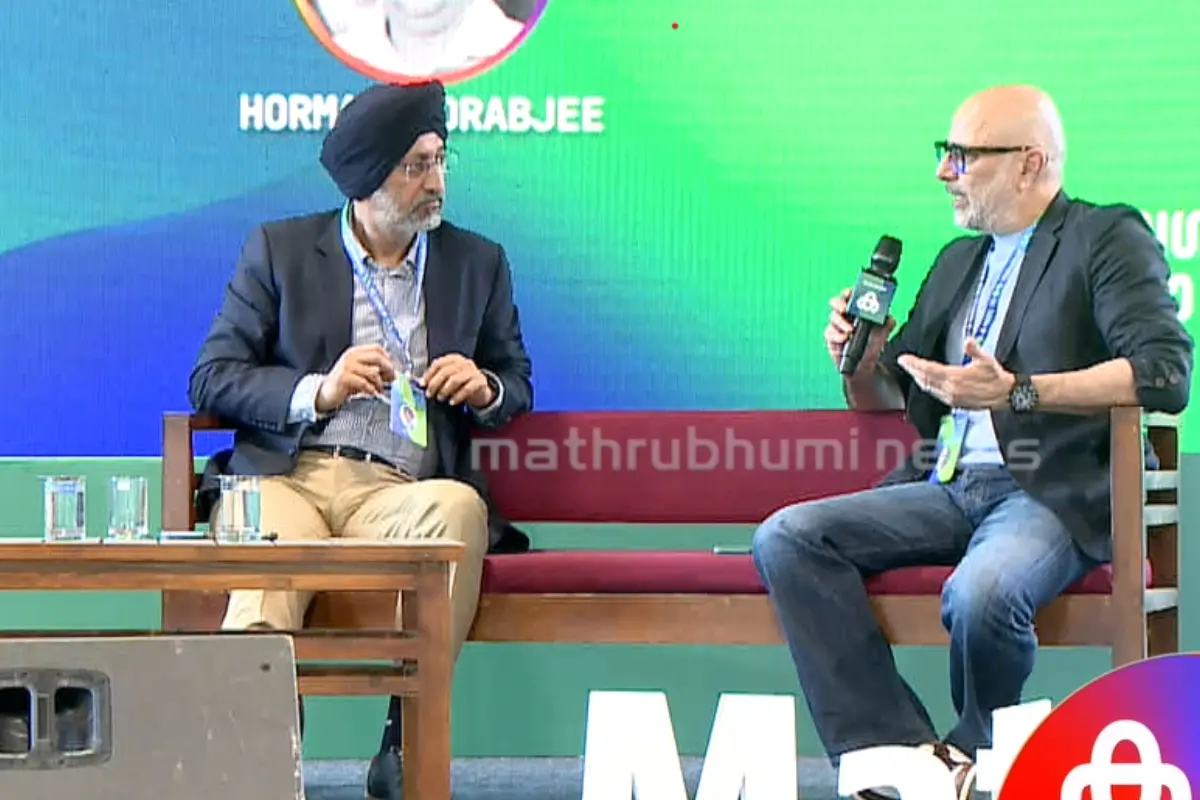
Luxury mobility in India is undergoing a fundamental transformation. No longer defined solely by horsepower, chrome, or brand heritage, the segment is increasingly shaped by experience, identity, and lifestyle. This shift was a central theme at Mathrubhumi International Festival of Letters 2026 (MBIFL 2026), where industry leaders reflected on how changing mindsets are redefining the road ahead.
One such discussion unfolded during the session ‘Driving the future: the new era of luxury mobility’, moderated by Hormaz Sorabjee, where industry leaders examined how policy decisions are shaping the luxury car market in India.
A younger, more experience-driven buyer
Rajan Amba, Managing Director of Jaguar Land Rover India, observed that the profile of the luxury buyer has changed significantly over the past decade. “Earlier, our customers were mostly in their late forties or fifties,” he said. “Now, many are in their thirties and early forties.”
This demographic shift is being fuelled by new sources of wealth, including entrepreneurs, startup professionals, ESOP beneficiaries, and equity market investors. According to Amba, these buyers are less conservative in their spending habits and more inclined towards immediate gratification. “There’s a strong YOLO mindset today,” he noted. “People want to enjoy the present.”
Post-pandemic behaviour has further accelerated this trend, with buyers moving into higher price brackets—₹60 lakh, ₹80 lakh, and even ₹1 crore-plus—much earlier in their earning lives.
Beyond the car: selling a lifestyle
Luxury brands, Amba explained, are responding to this shift by rethinking what ownership means. “Customers are not just buying a car anymore. They’re buying an experience, a lifestyle, and an emotional connection with the brand,” he said.
From curated off-road expeditions and exclusive owner drives to brand-led community events, luxury mobility is becoming increasingly immersive. The vehicle is now only one part of a broader ownership ecosystem designed to foster loyalty and emotional engagement.
Electrification reshapes the premium segment
Electrification emerged as another major force redefining luxury mobility. BMW India President and CEO Hardeep Singh Brar revealed that the company’s EV share has more than doubled within a year. “We’re clearly seeing a shift away from diesel towards electric,” he said, noting that BMW’s EV share has risen from 10% to 21%.
Concerns around range, once a significant barrier, are diminishing rapidly. “With 500 kilometres of range, you can comfortably do intercity trips,” Brar said, adding that upcoming models are expected to offer ranges of 700 to 800 kilometres.
Regulatory pressures are also influencing buyer behaviour. With CAFÉ III norms and BS7 emission standards on the horizon, diesel vehicles are likely to become more expensive, further strengthening the case for electric alternatives in the luxury space.
A small segment with big growth potential
Despite challenges such as high taxation and currency volatility, industry leaders expressed confidence in the segment’s future. “Luxury cars are just over one percent of India’s passenger vehicle market,” Amba said. “But that one percent can easily double in the next five years.”
The discussion concluded with a shared view that the future of luxury mobility will not be defined by metal or machinery alone. Instead, growth will depend on how seamlessly technology, policy, experience, and aspiration converge to meet the expectations of a new generation of buyers.