Africa is the ultimate battleground of time; Declan Walsh explains why
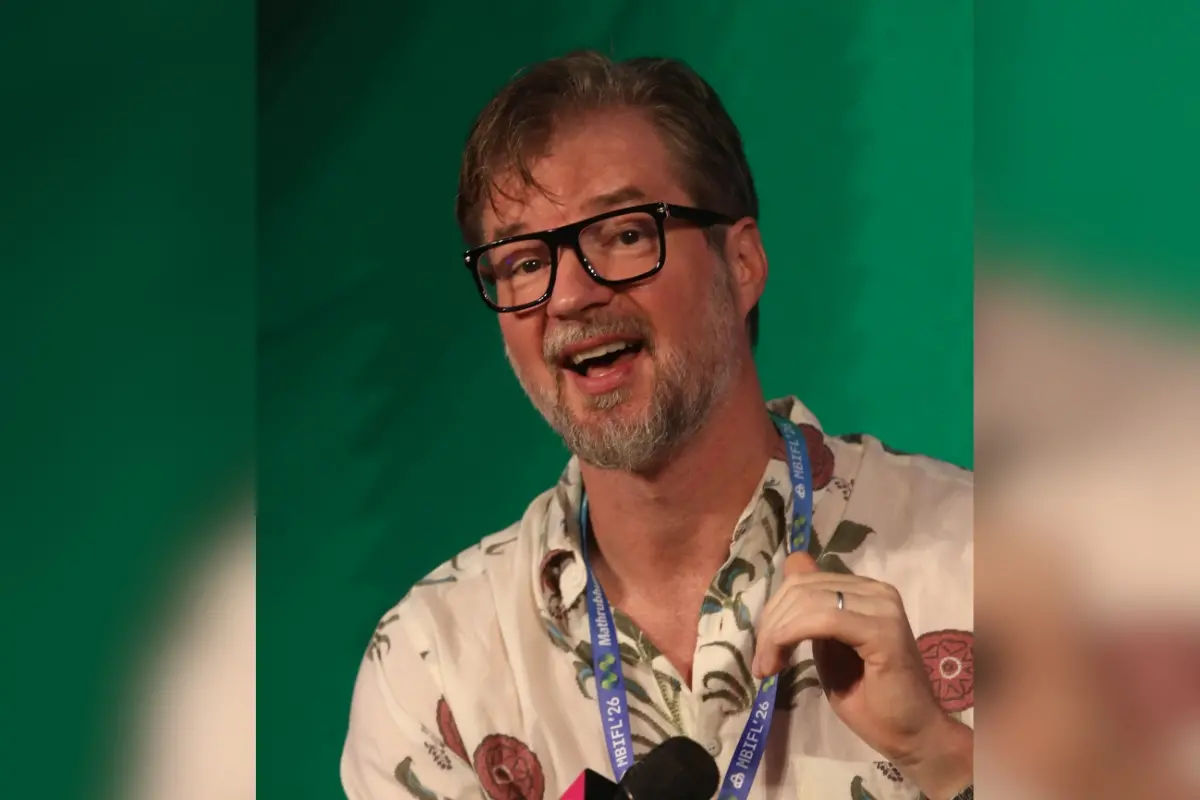
Is Africa a "hopeless continent" or a "rising star"? According to Declan Walsh, Pulitzer Prize-winning foreign correspondent for the New York Times, it is neither. It is simply "restless."
Speaking at the session titled 'Travails of a Restless Continent' in the 7th Edition of the Mathrubhumi International Festival of Letters (MBIFL 2026), Walsh discarded the tired metaphors of chaos and failure usually reserved for the African continent. Instead, he painted a picture of a young, ambitious, and increasingly crowded landmass that has quietly become the most critical arena for the future of global power.
"Africa is not just a battleground of minerals and ports," Walsh told a packed audience. "It’s a battleground of time."
The New Power Players
Walsh, who traveled from his base in Nairobi to the shores of Kerala, noted that while the world expects a tug-of-war between the US and China, the real action is being driven by "middle powers." These are countries like the UAE, Turkey, Qatar, Russia, and India - nations that don’t claim global dominance but possess the drones, the cash, and the appetite for risk that traditional Western powers now lack.
In the deserts of Sudan, Walsh found Russian mercenaries running gold mines. In Somalia, Turkey’s largest embassy stands defiantly in the city center, far from the sheltered "green zones" where Western diplomats hunker down.
Even more striking is the UAE’s rise, overtaking China as the largest new investor in Africa. These nations don't come with lectures on human rights or long-term institution building; they offer quick deals and "co-creation" that bypass the red tape of the old world.
Human Cost of Proxy Games
The tragedy of this "restlessness" is most visible in Sudan. Walsh shared the harrowing story of Dr Omar Selleck, a physician trapped in the besieged city of Al-Fasher. In a city where children were being fed animal feed to survive, Dr Selleck was killed by a drone strike while attending morning prayers.
"That attack was a sign of how drones are reshaping African battlefields at a stunning rate," Walsh observed. The conflict in Sudan has morphed from a local rivalry into a brutal proxy war fueled by foreign weapons and logistics. It is a grim reminder that while African leaders are gaining "agency" by playing different global powers against each other, that sovereignty often leads to instability when the deals are purely transactional.
The 2050 Shift
The most staggering aspect of Walsh’s talk wasn’t the wars, but the numbers. By 2050, one in four human beings on Earth will be African. Today, the median age in Africa is a staggering 19, compared to 28 in India and 38 in the West.
Walsh argued that this youth bulge is the true engine of the continent's restlessness. Every month, a million young Africans enter the labour market, but less than a quarter find formal jobs. This gap between aspiration and opportunity is what drives migration, protests, and even the recent rash of coups in West Africa, where young people are turning to "charismatic authoritarians" because the status quo has failed them.
The India Factor
Walsh highlighted that, unlike the "extractive" or "theatrical" engagement of other nations, India’s presence is slower and more bureaucratic, focused on digital infrastructure, health, and education.
"India is no longer just a partner of Africa; it is becoming a power in Africa," Walsh remarked. He posed a challenge to New Delhi: Will India join the transactional race for resources, or will it help build the rules and resilience that allow Africa’s growth to outlast this volatile moment?
Walsh concluded that Africa is the ultimate moral testing ground. It is a continent where young women are simultaneously coding for a greener future and dodging tear gas for a political one. For the rest of the world and particularly for a rising India, understanding Africa’s restlessness is no longer optional. It is a prerequisite for understanding the future.