What's so special about Tezpur litchi which just global market
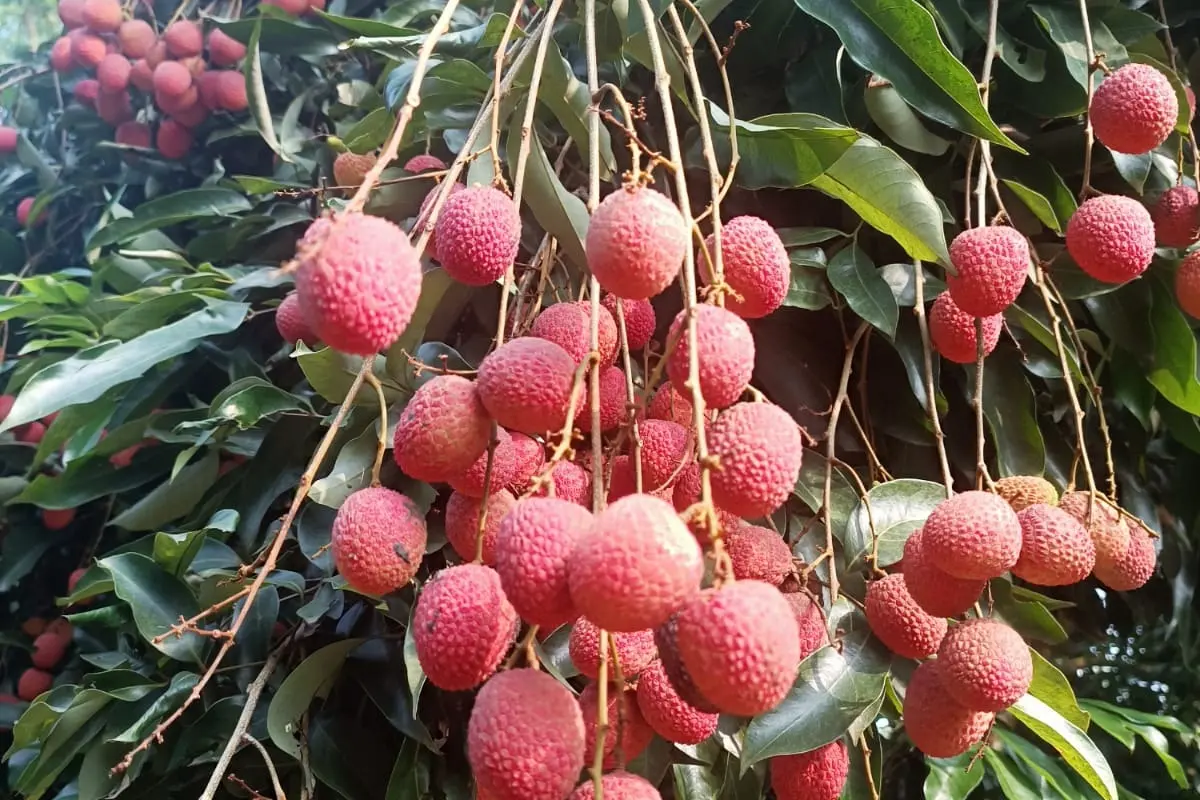
Assam's famed Tezpur litchi has taken a decisive step onto the global stage, with the first-ever consignment of its GI‑tagged fruit flagged off for export to Dubai in the United Arab Emirates. The shipment, sent with the support of the Agricultural and Processed Food Products Export Development Authority (APEDA), is being hailed by both the Centre and the Assam government as a landmark for the Northeast’s premium horticultural produce.
The breakthrough consignment was formally dispatched during the Tezpur Litchi Festival 2026, a two‑day event celebrating the region’s signature fruit and its farmers. On the festival's second day, one tonne of GI‑tagged Tezpur litchis was ceremonially flagged off for Dubai, marking the variety’s entry into a key Gulf retail market known for high demand for premium fresh fruit.
Officials involved in the initiative said the Dubai-bound consignment is part of a broader export push that also includes smaller trial shipments to Singapore, totalling around 500–600 kg, aimed at testing market response and building long‑term buyers. Union Commerce and Industry Minister Piyush Goyal publicly welcomed the export as a boost for Assam’s farmers and a sign of the Northeast’s rising role in India’s agricultural export basket.
The consignment has been sourced and packed under APEDA’s guidance to meet stringent international phytosanitary and quality standards, with cold‑chain logistics in place to preserve the litchi’s delicate flavour and appearance during transit. If successful, exporters say follow‑up shipments through the season could turn Dubai into a regular market for Tezpur litchi.
What makes Tezpur litchi special
Tezpur litchi received its Geographical Indication (GI) tag in 2014–15, recognising it as a unique product tied to the specific climate and soil of Tezpur and its surrounding pockets in Assam’s Sonitpur district.
The GI registration, under serial number 230 in India’s GI Registry, protects the fruit’s name and origin, ensuring that only litchis grown in the notified area can be marketed as “Tezpur litchi”.
Agronomists describe Tezpur litchi as a biodiversity gem: medium‑sized, with a characteristic shape, rose‑like aroma, high juice content and a delicate sweetness that sets it apart from other Indian litchi belts such as Muzaffarpur or Dehradun.
Studies cited by state agencies note that the fruit typically contains about 60 per cent juice, with relatively thin skin and a balanced sugar‑acid profile that appeals to export buyers.
Another selling point is that the orchards are largely managed under organic or low‑chemical-input conditions, a feature exporters are keen to highlight in premium overseas markets.
Festival as launchpad and farmer boost
The Tezpur Litchi Festival, which opened earlier this week, has been used as a platform not just for exports but also for branding, buyer–seller meets and discussions on processing, value addition and farmer income. State officials said the festival showcased fresh fruit, litchi-based products and live demonstrations of post-harvest handling, while simultaneously finalising export lots for Dubai and Singapore.
The move builds on earlier efforts to push Tezpur litchi abroad. In 2022, a smaller consignment of GI‑tagged Tezpur litchis was sent to London through a farmer producer company and a private exporter, signalling that the fruit could meet UK retail standards.
This year’s Dubai shipment is larger, more structured and backed directly by APEDA and government agencies, indicating a shift from experimental exports to a planned market-entry strategy.
Officials and industry representatives argue that stable export linkages could translate into higher farm-gate prices. With international buyers typically paying a premium for traceable, GI‑certified produce, growers around Tezpur hope that regular shipments will reduce their dependence on volatile domestic wholesale markets.
Part of a wider Northeast export story
The first Tezpur litchi consignment to Dubai comes against a broader backdrop of India trying to diversify its horticultural export basket and bring more products from the Northeast into global trade. APEDA has in recent years supported overseas shipments of Assam lemons, Naga king chillies, jackfruit and other niche crops, alongside litchis from regions such as Punjab and Jammu.
Tezpur litchi’s GI tag places it in the same category as other region‑specific Indian fruits that have slowly carved out global niches, such as Alphonso mangoes from Konkan and Nagpur oranges.
For Assam, which has long been associated internationally with tea, the entry of a GI‑certified fruit into Gulf and European markets helps broaden the state’s agricultural identity and could encourage investment in cold storage, pack-houses and logistics infrastructure.
Challenges and the road ahead
Despite the celebratory mood, exporters and officials acknowledge several challenges. Litchi has a very short harvest window and is highly perishable, making timing, cold-chain management and fast customs clearance critical.
Export volumes will also depend on consistent quality and grading in orchards that are still dominated by smallholders with limited access to post-harvest technology.
There is also competition from established litchi-exporting regions both within India and abroad. To stand out, Tezpur litchi will need sustained branding campaigns, certification support and long‑term contracts with overseas retailers rather than one‑off shipments.
Even so, officials see the Dubai consignment as a turning point rather than a token gesture. If the fruit performs well in Gulf supermarkets and with South Asian diaspora consumers, APEDA and the Assam government are likely to scale up operations next season, exploring more destinations and possibly processed formats such as pulp and juices.