
While organizers defend the move as a necessary pragmatic shift, critics fear the streamlined format risks alienating key regions and permanently altering the Games' traditional power dynamics.
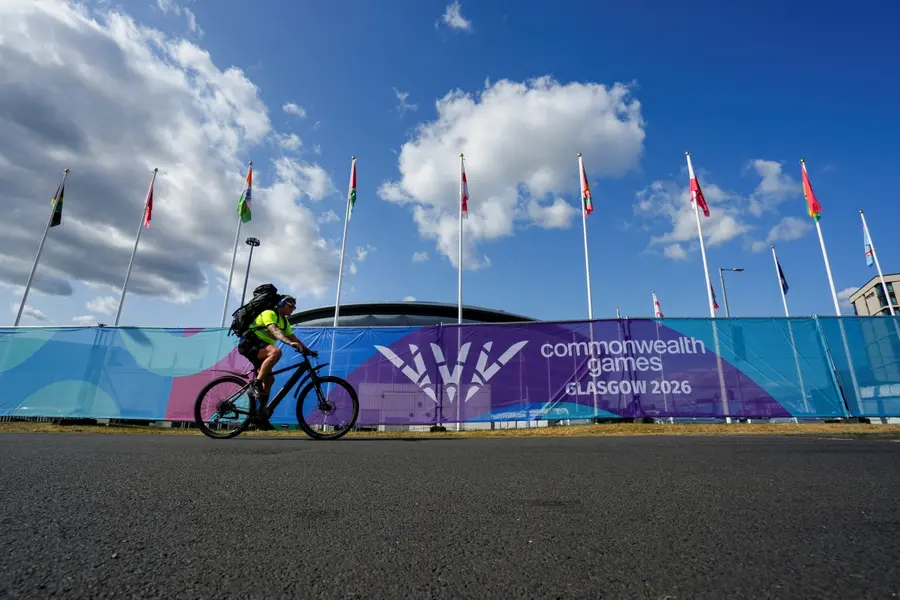
Glasgow: When Glasgow was confirmed as the host for the scaled-back 2026 Commonwealth Games, the relief of securing a tournament after Victoria's sudden withdrawal was tempered by a stark reality: a lean, cost-conscious budget had forced a brutal culling of the programme. Restricted to just 10 sports to minimise infrastructure costs, the revised schedule drew a sharp line through several traditional heavyweights. The absence of cricket, field hockey, rugby sevens, badminton, table tennis, squash, and wrestling has triggered a quiet yet intense sports-geopolitical fallout among member nations.
For major sporting powerhouses, the cuts represent more than just a scheduling headache—they mark a seismic shift in the projected medal table landscape. India, in particular, faces a drastically altered competitive horizon. Disciplines such as shooting, wrestling, table tennis, and badminton have historically accounted for the lion's share of the nation's podium finishes. Stripping away wrestling, badminton, and table tennis—alongside field hockey—robs the Indian contingent of its most reliable goldmine, forcing sporting administrators to recalibrate their developmental focus toward athletics, weightlifting, and boxing.
The geopolitical sting of the cuts extends far beyond South Asia. In the South Pacific, rugby sevens is practically a religion and a vital source of international sporting prestige. Pacific Island nations like Fiji, Samoa, and Tonga have long used the Commonwealth Games as a premier stage to showcase their global dominance in the sevens format. According to a report by Inside the Games, the exclusion of rugby sevens has deprived these island economies of both crucial high-performance exposure and the national morale boost that comes with competing against elite Commonwealth opposition.
Furthermore, the omission of field hockey—a cornerstone of the Games since 1998—has sidelined powerhouse nations like Australia, Pakistan, and India, altering the traditional power dynamics between Commonwealth sporting blocs.
While Glasgow 2026 organisers have defended the streamlined 10-sport format as a pragmatic blueprint necessary to keep the multi-sport event financially viable in a post-pandemic economic climate, the long-term implications are profound. Critics and sports diplomats argue that a leaner Games risks alienating key Commonwealth regions that view these specific events as central to their athletic identity. As national Olympic and Commonwealth associations begin drafting their preparatory strategies, the 2026 Games will stand as an unprecedented test of resilience for nations forced to fly with clipped wings.
Published: 23 Jul 2026, 09:48 am IST
Related Topics
Disclaimer: Kindly avoid objectionable, derogatory, unlawful and lewd comments, while responding to reports. Such comments are punishable under cyber laws. Please keep away from personal attacks. The opinions expressed here are the personal opinions of readers and not that of Mathrubhumi.
