
Abhishek Sharma’s lean patch continued as the India opener registered another duck at the T20 World Cup, intensifying concerns over his form and top-order stability.
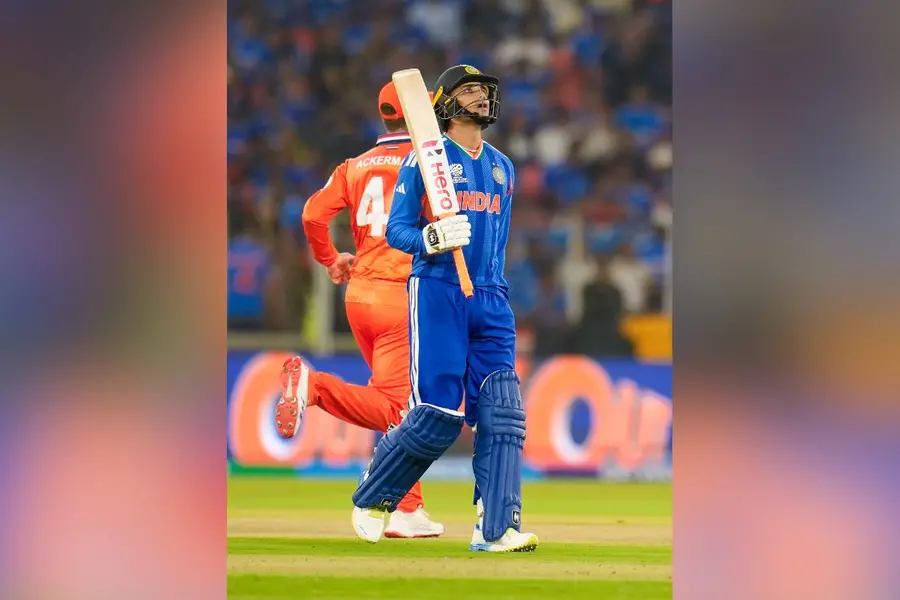
India opener Abhishek Sharma endured another golden duck in the latest T20 World Cup outing, extending a dismal run that has seen the left-hander dismissed for zero multiple times in the competition.
The slump, which includes ducks against high-profile opponents and a failure to open his account in this edition, has turned the spotlight onto technique, role clarity, and mental resilience at the top of India’s order.
Also Read

Why this matters: Abhishek arrived at the tournament on the back of explosive form in 2024–25, finishing as one of India’s most dangerous T20 hitters and carrying high expectations into the marquee event.
His pre-tournament credentials and past big-hitting displays mean this current drought is being read as a worrying aberration rather than the new normal.
Three main reasons for the slump:
- Early-match vulnerability and specific plans from opponents: Opposition teams have increasingly targeted Abhishek in the power play with disciplined line-and-length, fuller deliveries, and early variations. Bowlers have brought out probing new-ball plans to attack his initial trigger movements, and so far they’ve worked. Teams study his scoring zones and are bowling fuller or slightly fuller outside off to invite drives that can be trapped lbw or bowled early. Recent dismissals in the tournament show opponents have a clear, executable game plan.
- Technical hesitation and shot selection under the new-ball threat: Sharp commentators and analysts point to a subtle hesitation early in Abhishek’s innings: tentative footwork and an attempt to force the pace too quickly. When a power-hitter tries to accelerate from ball one against probing pace or clever seam and spin, the risk of a dot or dismissal rises. That mix of intent and indecision leaves him exposed to well-directed dismissals.
- Confidence and small-sample psychological pressure: Cricket’s shortest format magnifies slumps. A few early failures magnify media and fan attention; the psychological baggage can affect routine and execution. India’s support staff has publicly downplayed over-analysis, saying they won’t hit the panic button, a sign the camp trusts a correction through backing and practice rather than knee-jerk changes.
What the team can do next
Coaches can re-establish a simplified role for Abhishek, focus on getting an innings under his belt rather than immediate fireworks, while technical work in the nets should emphasize watching the ball, earlier footwork, and safer initial scoring options (third man, square cut, soft hands). Short-term: a strategic tweak in batting order or giving him a slightly later start on flatter pitches could restore rhythm without sacrificing India’s intent.
Verdict: This slump is serious but not irreparable. Abhishek’s record and shot-making show the tools are there; opponents have merely found a temporary blueprint to exploit early-match vulnerabilities. With targeted technical fixes, clearer role definition, and mental support, he can rediscover form, and India will be hoping that the turnaround comes quickly as the tournament progresses.
Published: 18 Feb 2026, 11:03 pm IST
Related Topics
Disclaimer: Kindly avoid objectionable, derogatory, unlawful and lewd comments, while responding to reports. Such comments are punishable under cyber laws. Please keep away from personal attacks. The opinions expressed here are the personal opinions of readers and not that of Mathrubhumi.