
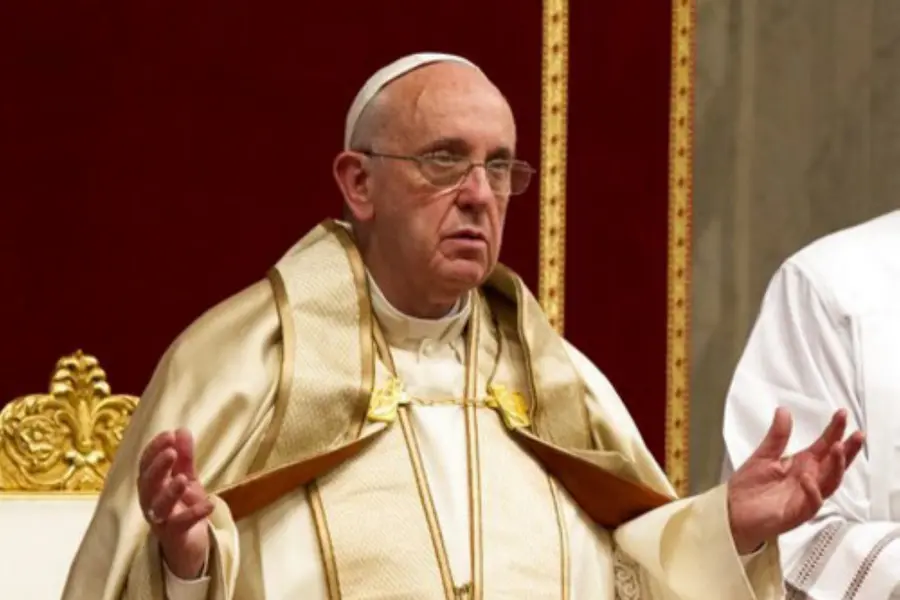
Throughout his papacy, Pope Francis made unprecedented strides in fostering interreligious dialogue and unity, shaping a legacy of peace, fraternity, and shared humanity. From the very beginning of his pontificate—and even during his time as Archbishop of Buenos Aires—Pope Francis exemplified genuine friendships across faiths. His close bond with Rabbi Abraham Skorka and deep respect for Muslim leaders such as the Grand Imam of Al-Azhar, Ahmed Al-Tayyeb, were cornerstones of his inclusive worldview.
In February 2019, Pope Francis became the first Pope to visit the Arabian Peninsula during his historic trip to the United Arab Emirates. There, he signed the landmark Document on Human Fraternity for World Peace and Living Together with Grand Imam Al-Tayyeb, a powerful appeal against violence and extremism and a call to live as brothers and sisters. This moment laid the groundwork for his later encyclical Fratelli tutti, which expanded on the message of universal fraternity. The Pope also acknowledged the influence of Orthodox Patriarch Bartholomew in shaping his 2015 environmental encyclical Laudato si’.

In another first, Pope Francis visited Iraq in 2021, despite immense security and pandemic challenges. His meeting with Grand Ayatollah Ali al-Sistani was widely seen as a symbol of Christian-Muslim unity. The Pope used the opportunity to encourage both communities to be “witnesses of truth, love and hope,” particularly in war-torn regions.
Always seeking to bridge divides, Pope Francis participated in countless interfaith summits. He travelled to Kazakhstan in 2022 to attend the Seventh Congress of Leaders of World and Traditional Religions, reinforcing the need for unity amid Russia’s invasion of Ukraine. Later that year, in Bahrain, he reaffirmed the commitment to peace alongside global religious leaders through the signing of the Bahrain Declaration.
A dream long in the making came true in September 2024 when Pope Francis visited Indonesia, the world’s most populous Muslim country. At Jakarta’s Istiqlal Mosque, he and Grand Imam Nasaruddin Umar signed the Joint Declaration of Istiqlal 2024, addressing the global crises of dehumanisation and climate change, and calling for united action across faiths.
Pope Francis also reached out to followers of other major religions, including Buddhism. His visits to Thailand, Sri Lanka, and Mongolia deepened ties with Buddhist communities. Meanwhile, his deep-rooted friendships with Jewish leaders like Rabbi Skorka, his visits to synagogues worldwide, and his clear condemnations of anti-Semitism and the Shoah demonstrated his unwavering solidarity with the Jewish people.
In places like Auschwitz and the Yad Vashem Memorial in Jerusalem, the Pope stood in solemn prayer for lives lost to hatred. He maintained strong relationships with Israel’s chief rabbis and Muslim leaders alike, even amid escalating regional tensions, urging peace and reconciliation.
Pope Francis’s enduring mission was rooted in compassion, unity, and spiritual fraternity. While he knew change wouldn’t happen overnight, he believed fervently in the power of dialogue, prayer, and mutual respect to build a better world—planting seeds of peace across faiths, nations, and generations. (With inputs from Agencies)
Published: 21 Apr 2025, 03:57 pm IST
Related Topics
Disclaimer: Kindly avoid objectionable, derogatory, unlawful and lewd comments, while responding to reports. Such comments are punishable under cyber laws. Please keep away from personal attacks. The opinions expressed here are the personal opinions of readers and not that of Mathrubhumi.