
The move marks a renewed push by Trump to tighten U.S. borders, a hallmark of his earlier administration
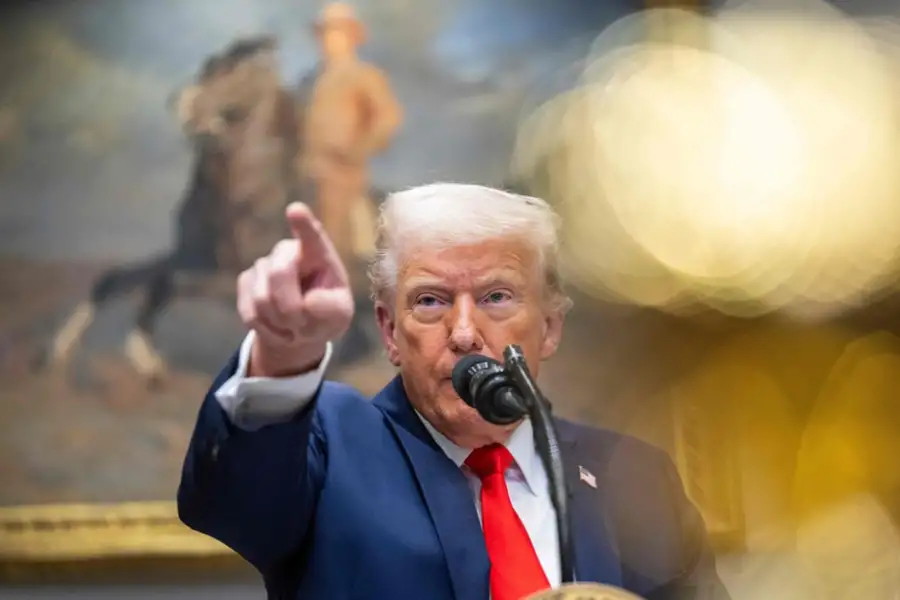
Washington: US President Donald Trump has announced the return of one of the most divisive policies of his first term: a sweeping travel ban targeting citizens from 19 countries. The measure, signed via executive order on Wednesday, bars entry to nationals from 12 countries and imposes heightened restrictions on travellers from seven others. It will come into effect at 12:01 a.m. on Monday.
The move marks a renewed push by Trump to tighten U.S. borders, a hallmark of his earlier administration. The decision comes just days after a deadly terrorist attack in Boulder, Colorado – an incident Trump cited as justification for the new restrictions, despite the suspect originating from Egypt, a country not included in the new ban.
The 12 countries whose nationals are now barred from entering the U.S. are: Afghanistan, Myanmar, Chad, the Republic of Congo, Equatorial Guinea, Eritrea, Haiti, Iran, Libya, Somalia, Sudan and Yemen.
In addition, stricter controls will apply to travellers from Burundi, Cuba, Laos, Sierra Leone, Togo, Turkmenistan and Venezuela.
Ban justified by visa overstay rates, national security
In a pre-recorded video shared on social media, Trump claimed that many of the affected countries have “deficient” vetting procedures or have refused to repatriate citizens who violate U.S. immigration laws. He referred to a Department of Homeland Security (DHS) report identifying high rates of visa overstays among tourists, businesspeople, and students from these countries.
“I must act to protect the national security and national interest of the United States and its people,” Trump said in the proclamation.
Haiti’s inclusion is notable, having been left off the list during Trump’s previous term. The decision is reportedly based on high overstay rates and a surge in illegal entries amid worsening conditions in the Caribbean nation. Trump’s executive order cites Haiti’s lack of central authority and reliable law enforcement data as a national security risk.
Roots in earlier ‘Muslim Ban’
The renewed policy echoes Trump’s 2017 executive order, widely referred to as the “Muslim ban,” which initially blocked travel from seven predominantly Muslim countries. That move sparked chaos at airports across the United States and led to a wave of legal challenges. A later version of the ban was ultimately upheld by the Supreme Court in 2018.
That earlier ban affected travellers from Iran, Libya, Somalia, Syria, and Yemen, along with North Korea and certain Venezuelan officials. Trump and his allies have consistently defended the bans on national security grounds, though critics point to the former president’s campaign pledge to ban Muslims from entering the United States.
This time, Trump appears to have taken steps to avoid the immediate disruption seen in 2017, allowing a brief grace period before the new ban is enforced.
National security review triggered policy
Wednesday’s announcement follows a 20 January executive order in which Trump directed the Department of Homeland Security, the State Department, and the Director of National Intelligence to assess countries with "hostile attitudes" toward the United States. The findings informed the current travel restrictions.
As during his first term, the policy is expected to face intense scrutiny from civil liberties groups, immigration advocates, and political opponents, who argue it discriminates against vulnerable populations and stigmatises entire nations based on flawed criteria.
Published: 05 Jun 2025, 07:26 am IST


Related Topics
Disclaimer: Kindly avoid objectionable, derogatory, unlawful and lewd comments, while responding to reports. Such comments are punishable under cyber laws. Please keep away from personal attacks. The opinions expressed here are the personal opinions of readers and not that of Mathrubhumi.
