
Jammu and Kashmir: In the aftermath of the devastating Pahalgam terror attack, which killed at least 26 tourists, Indian authorities have escalated their actions against individuals suspected of involvement in terrorist activities.
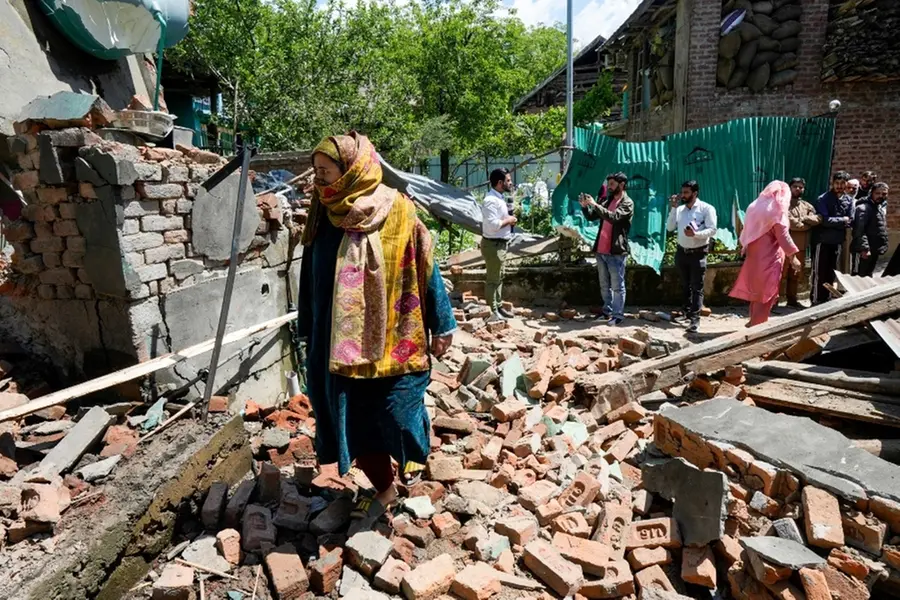
Two more properties belonging to suspected terrorists, Zakir Ahmad Ganie in Kulgam and Lashkar-e-Taiba commander Shahid Ahmad Kuttay in Shopian’s Chotipora, were demolished in controlled explosions. This brings the total number of razed properties to five.
Earlier, homes of three other suspects, Adil Hussain Thoker (alias Adil Guree), Asif Sheikh, and Ahsan Sheikh, were also destroyed. Intelligence sources suggest that Thoker, who had legally entered Pakistan through the Attari-Wagah border in 2018, allegedly received terrorist training before secretly returning to Jammu and Kashmir last year. He is suspected of providing logistical support and guidance to the terrorists involved in the attack.
The demolitions were carried out with precision to ensure no harm to nearby residences. This strategic measure was intended not only to neutralise the threat posed by these properties but also to send a clear message that such actions were taken without malice towards the general public.
The Pahalgam terror attack, the deadliest since the abrogation of Article 370 in 2019, occurred in Baisaran Meadow, a popular tourist spot. Despite the strong security presence claimed, the attackers breached the defences, killing 26 tourists and injuring many others, leaving the region in shock.
While the authorities have justified the demolitions as part of a strategy to deter terrorism and remove the physical traces of terror activities, questions about the fairness of targeting the families of suspects arise and clarity on have the authorities conducted sufficient investigations to ensure that these demolitions are not only legally justified but also proportionate to the crimes committed.
Additionally, many are questioning whether this aggressive approach could be seen as a political tool and if the government is using the heightened security response as an opportunity to consolidate public support by demonstrating strength, or is it even overstepping its bounds by punishing the innocent along with the guilty.
The ongoing situation is prompting broader discussions on the balance between national security and human rights, with some arguing that the state’s actions should be scrutinised to prevent potential misuse of power while safeguarding the interests of the common people.
Published: 26 Apr 2025, 11:49 am IST
Related Topics
Disclaimer: Kindly avoid objectionable, derogatory, unlawful and lewd comments, while responding to reports. Such comments are punishable under cyber laws. Please keep away from personal attacks. The opinions expressed here are the personal opinions of readers and not that of Mathrubhumi.
