
CNN, MS NOW and Politico have sued the Trump administration over revoked White House access, while major TV networks halt presidential pool coverage.
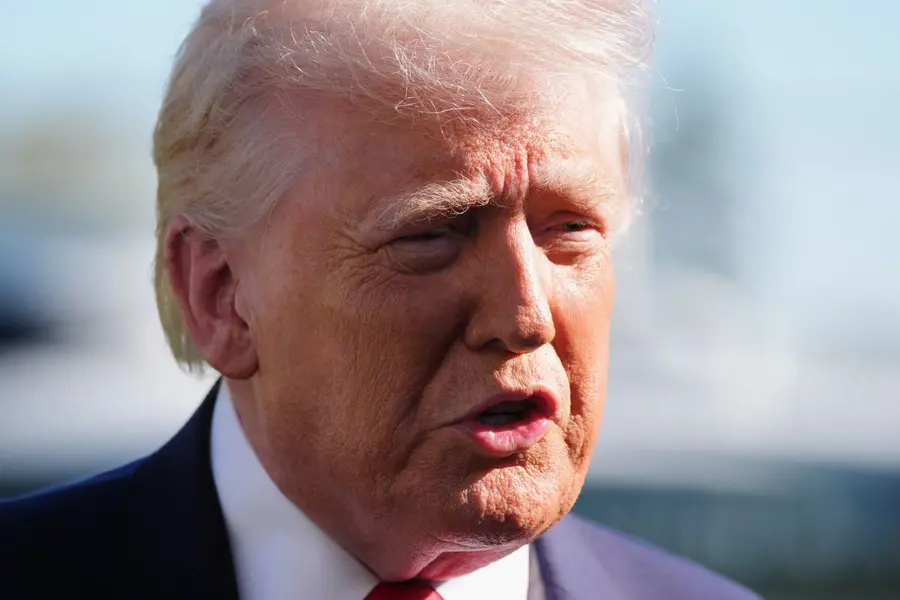
A White House media standoff is escalating after Trump barred three news outlets, prompting a lawsuit as major TV networks suspended shared presidential coverage and the administration launched ‘Trump TV’.
CNN, MS NOW and Politico filed a federal lawsuit on September 21 challenging the Trump administration’s decision to bar their reporters from the White House. The organisations argue that the action violates First Amendment protections for freedom of the press and was taken without notice or a process for challenging the decision.
The dispute began after President Donald Trump announced that the three outlets would no longer have White House access, criticising their reporting. Their reporters were subsequently denied entry and had their press credentials deactivated or confiscated.
The organisations are asking a federal court to restore their access while the broader case proceeds. A hearing on their request is scheduled for Wednesday.
Why did the TV pool stop coverage?
CNN is one of five television networks that rotate responsibility for providing shared video coverage of presidential events. After the White House removed CNN from its scheduled pool duties, ABC, CBS, NBC and Fox News joined CNN in suspending television pool coverage of presidential events.
The television pool normally allows one network to provide footage that can then be shared with other broadcasters and news organisations. With the pool suspended, news organisations face reduced access to shared footage of presidential events.
The suspension does not cover all political reporting or all government events. The pool's arrangements for Congress, VIPs and selected other events were reported to continue.
ALSO READ | Trump meets Mamdani in New York: What was discussed behind closed doors?
Who is involved in the lawsuit?
The case names Trump and several senior administration officials as defendants in their official capacities. The three organisations' White House reporters — CNN's Betsy Klein, MS NOW's Akayla Gardner and Politico's Cheyenne Haslett — are also plaintiffs.
The case has been assigned to US District Judge Timothy J. Kelly, who was appointed by Trump during his first term. Kelly previously handled CNN reporter Jim Acosta's 2018 challenge after the White House revoked his press credentials.
Trump has rejected the characterisation of the action as an attack on the free press. In a post on Truth Social, he said he supported a free press but accused the three outlets of publishing what he described as “fake news”. The administration has argued that it is not required to provide special access to organisations it considers unreliable.
The three organisations dispute that reasoning and argue that government officials should not be able to restrict journalists' access because they object to their reporting.
ALSO READ | ‘Russia lost control of its diesel’: Trump warns Zelenskyy to halt refinery attacks before UNGA meeting
What is ‘Trump TV’?
The White House launched TRUMP TV: The Essentials Station on September 21, shortly after the lawsuit was filed and amid the disruption to the television press pool.
The White House describes the service as a 24-hour stream featuring major presidential remarks, administration videos and other highlights. Its official live page says the content will be updated in real time.
The new platform gives the administration a direct channel for distributing video of presidential activities while the traditional television pool remains disrupted.
The dispute involves two separate questions: access to the White House and access to shared presidential video coverage.
The lawsuit will require the court to consider the legal limits on the government's ability to restrict journalists' access to government premises, particularly when the organisations allege that the restriction was imposed because of their reporting. The plaintiffs are also challenging the lack of notice and process surrounding the removal of their credentials.
The television pool dispute has a wider practical effect. Because the pool is designed to share the costs and logistics of covering the president, removing one of its members affects how presidential events are filmed and distributed to other broadcasters.
The launch of Trump TV adds another element: the White House now has a dedicated digital platform through which it can distribute its own footage and announcements directly to the public. The legal case, however, concerns the separate question of whether the administration can exclude particular news organisations from White House access on the basis of objections to their reporting.
The immediate legal issue is whether the court will temporarily restore the three outlets' White House access while the lawsuit continues. The hearing on their request is scheduled for Wednesday.
The case could also determine how the administration's press-access policies are applied to journalists and whether the procedures used to revoke credentials comply with constitutional and due-process requirements.
Published: 22 Sept 2026, 07:18 am IST
ABOUT THE AUTHOR

Related Topics
Disclaimer: Kindly avoid objectionable, derogatory, unlawful and lewd comments, while responding to reports. Such comments are punishable under cyber laws. Please keep away from personal attacks. The opinions expressed here are the personal opinions of readers and not that of Mathrubhumi.