
After years of delays and close safety scrutiny, Boeing finally has a reason to celebrate. The US Federal Aviation Administration (FAA) has certified the company’s largest 737 MAX aircraft, bringing Boeing a step closer to delivering the much-awaited jet to airlines.
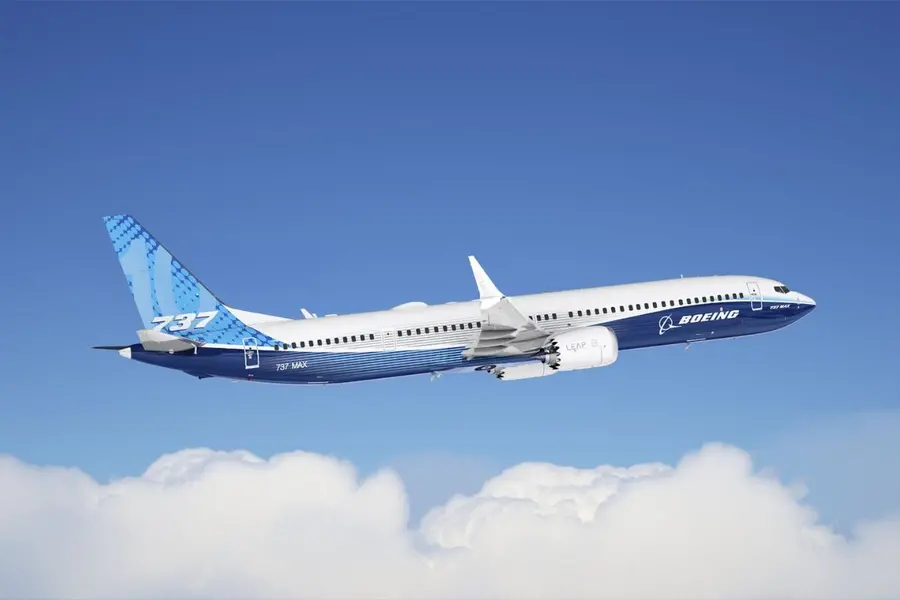
For Boeing, October turned out to be an important month. The US aviation regulator gave its approval to the 737 MAX 10, the largest aircraft in the 737 MAX family. The decision clears the way for Boeing to begin deliveries in the coming months, although approvals from other regulators will also be needed before the aircraft can enter service in some countries.
The certification marks an important step forward for the American aircraft manufacturer, which has faced years of delays and intense scrutiny over the safety and quality of its aircraft. With the approval finally in hand, Boeing can now focus on getting the jet to its waiting customers.
Big aircraft for a big market
The 737 MAX 10 is Boeing’s answer to airlines looking for a larger single-aisle aircraft. It is designed to carry up to 230 passengers in a maximum seating configuration. In a typical two-class layout, it can accommodate between 185 and 210 passengers.
The aircraft can fly up to 3,100 nautical miles, or around 5,740 kilometres, making it suitable for many short- and medium-haul routes. Boeing says the aircraft offers competitive fuel efficiency and lower costs per seat, giving airlines an opportunity to carry more passengers without moving to a larger, twin-aisle aircraft.
The new aircraft will compete with the Airbus A321neo, which has become a popular choice among airlines looking for greater passenger capacity in the single-aisle segment. The competition between Boeing and Airbus is particularly important as airlines worldwide look to expand their fleets to meet growing travel demand.
Over 1,500 aircraft on order
One reason the certification matters so much to Boeing is the strong demand for the aircraft. More than 30 customers worldwide have ordered the 737-10, with total orders reaching 1,555 aircraft, according to Boeing.
The model accounts for more than 30 per cent of the unfilled orders in the 737 MAX programme. Across the entire 737 MAX family, Boeing has received 7,350 orders and delivered nearly 2,500 aircraft by the end of September 2026.
Major airline customers, including United Airlines and Alaska Airlines, have ordered the aircraft. For Boeing, the approval brings it closer to fulfilling these commitments and strengthening its position in the highly competitive aircraft market.
The 737 MAX 10 could also offer airlines an option to replace older aircraft, including the Boeing 757, on routes suited to its capacity and range.
Safety checks took time
The road to certification was not an easy one. Boeing’s 737 MAX family has faced intense scrutiny following two fatal crashes involving the 737 MAX 8 in 2018 and 2019. The accidents led to a worldwide grounding of the aircraft and raised serious questions about aircraft design, flight-control systems and regulatory oversight.
Subsequent manufacturing and quality concerns added to the pressure on Boeing. As a result, the certification of the MAX 10 involved detailed safety assessments, design reviews and extensive testing.
According to Boeing, the programme included nearly 1,000 test flights, more than 2,000 hours of flight testing and around 1,000 hours of ground testing. The company also submitted tens of thousands of pages of technical documentation and held numerous formal meetings with the FAA.
The aircraft was certified under the requirements of the Aircraft Certification, Safety, and Accountability Act of 2020, which introduced stricter requirements for safety assessments and human-factors evaluations. US Transportation Secretary Sean Duffy welcomed the approval, describing it as an important achievement for American manufacturing and aviation. “This is a major win for American manufacturing and our nation’s status as a global aviation powerhouse,” Duffy said. He added that the United States would continue to lead in aviation safety and innovation.
FAA Administrator Bryan Bedford said the decision followed a thorough review of the aircraft’s design and safety requirements. He also stressed that the regulator would “continue to hold Boeing to the highest safety standards” as the company moves forward.
New Angle-of-Attack safety feature
The certification also brings an important safety enhancement. Boeing has introduced an enhanced Angle-of-Attack system on the 737 MAX 10, which the company says will become standard across the MAX family.
The system helps monitor the angle between an aircraft’s wing and the airflow approaching it. Information from this system is important for understanding flight conditions and supporting relevant flight-control functions.
The enhancement forms part of the safety improvements required during the certification process. Standardising the feature across the family will extend the improvement beyond the newest aircraft, subject to the applicable regulatory and implementation requirements.
Boeing’s flight-test programme also covered systems and operating conditions such as the landing gear, braking performance on wet runways, engine anti-ice systems and other aircraft functions.
Chris Payne, vice president and general manager of 737 Airplane Development Programs at Boeing Commercial Airplanes, said the team had worked carefully to validate the aircraft’s systems. “Our flight test team ran a disciplined, methodical campaign to validate every system. That rigor gives us confidence as we move toward deliveries,” Payne said. He added that he was proud of the team’s focus and professionalism.
Boeing can now look forward
Boeing Commercial Airplanes President and CEO Stephanie Pope said the certification would allow the company to move closer to delivering the aircraft to its customers. “Completing the certification program clears the path for us to deliver a Boeing airplane that will set a new standard in commercial aviation. The 737-10 offers greater capacity, longer range and the best seat economics in its class, a platform that will create more value and opportunities for airlines around the world,” Pope said.
“We are also delighted to complete the 737 MAX family and provide our customers the most-efficient and flexible single-aisle airplane portfolio in the industry.”
For Boeing, the approval is a welcome development after years of waiting. The company can now turn its attention to production, deliveries and preparing airlines to introduce the aircraft into their fleets.
However, the journey is not entirely over. Aviation authorities in Europe and Canada are expected to complete their own approval processes. The company will also need to ensure that aircraft production remains consistent and that quality and safety standards are maintained.
For airlines, the 737 MAX 10 offers another option when planning future fleet expansion. Its larger passenger capacity could help carriers serve busy routes while retaining the flexibility of a single-aisle aircraft.
Conclusion
The aircraft’s entry into service will also matter to the maintenance, repair and overhaul (MRO) industry. Airlines will need to prepare maintenance plans, arrange spare-parts support, train technical teams and ensure that the required maintenance systems and resources are ready before the aircraft begins commercial operations.
Boeing’s common 737 MAX family design may also help airlines that already operate other MAX variants manage their fleets. The actual benefits will depend on each airline’s fleet, operating conditions and maintenance arrangements.
Finally, some relief for Boeing
The FAA’s decision does not erase the challenges Boeing has faced, but it removes a major hurdle for one of its most important aircraft programmes.
With 1,555 orders already on the books, the 737 MAX 10 has considerable commercial importance. Its successful entry into service could help Boeing compete more strongly with Airbus and work through its backlog of aircraft orders.
After years of delays, safety reviews and uncertainty, Boeing can finally look ahead to the next stage of the programme. The real test now will be delivering the aircraft on schedule, maintaining quality and earning the confidence of airlines and passengers.
For now, the FAA’s approval is undoubtedly good news for Boeing. The long wait is over for certification in the United States, and the company is one step closer to seeing its largest 737 MAX aircraft take its place in airline fleets.
Published: 21 Oct 2026, 12:15 pm IST
ABOUT THE AUTHOR

Related Topics
Disclaimer: Kindly avoid objectionable, derogatory, unlawful and lewd comments, while responding to reports. Such comments are punishable under cyber laws. Please keep away from personal attacks. The opinions expressed here are the personal opinions of readers and not that of Mathrubhumi.