
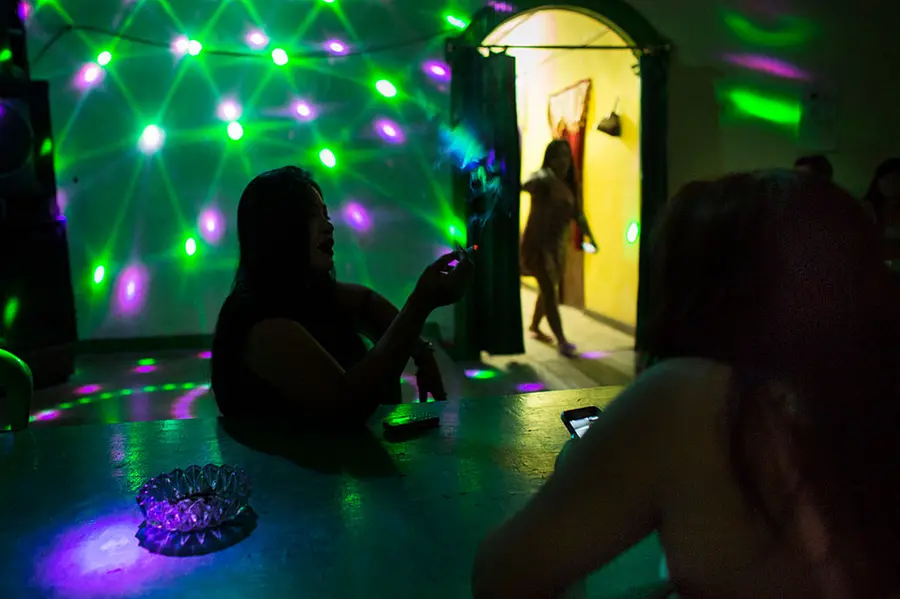
Brussels: Belgium has made a significant stride toward gender equality and human rights by becoming one of the first countries in the world to extend full employment rights to sex workers.
Under new laws passed after the decriminalisation of sex work in 2022, Belgium now ensures that sex workers have the same benefits as other workers, including maternity leave, pensions, health insurance, and sick leave.
There are millions of sex workers globally. While sex work was decriminalised in Belgium, it is also legal in countries such as Germany, Greece, the Netherlands, and Turkey. However, Belgium's move to establish employment rights and contracts for sex workers is a world first.
According to a report by BBC, this historic legislation also introduces a key measure: sex workers will now receive an employment certificate, which grants them full access to social security benefits—marking a significant shift from the previous status of sex work as a self-employed profession.
This change means that sex workers will no longer be excluded from the benefits that come with regular employment. They are now entitled to all employment rights that were previously unavailable to them.
“This is an opportunity for us to exist as people,” said Sophie, a mother of five, who continued working late into her pregnancy due to financial pressures. Her experience highlights the profound impact of the new laws, which now allow sex workers to access much-needed maternity leave and healthcare.
The legislation also mandates employers to implement safety measures, such as the right for workers to deny services without fear of retaliation. Employers are now required to offer social protections, including the right to safe working conditions, and are prohibited from hiring individuals with criminal records.
Kris Reekmans, who operates a legal massage parlour, welcomed these changes, stating, “I hope dishonest employers are shut down.”
Human rights advocates have hailed Belgium’s new laws as a monumental step in protecting sex workers. Erin Kilbride from Human Rights Watch called the law “radical” and praised it as “the best step we’ve seen globally to protect sex workers.”
Victoria, the president of the Belgian Union of Sex Workers, pointed out the importance of the law, explaining that, "When your job is illegal, there are no protocols to protect you."
She shared her own traumatic experience, when her rape complaint was dismissed by the police, as an officer stated, “Sex workers can’t be raped.”
For many sex workers, the new law is a long-awaited source of relief.
“I can now refuse clients or unsafe acts without fear,” said Mel, another sex worker, expressing the new sense of safety the law provides.
Belgium’s progressive approach now serves as a model for the world in addressing sex workers' rights. The law not only improves working conditions but also helps to reduce stigma and discrimination associated with sex work, bringing the profession into the light and treating workers with dignity.
In contrast, sex work remains decriminalised in India, where the sale of sex between consenting adults is legal. However, there is no legal recognition of sex work as a profession, and sex workers are not granted any rights or protections, leaving them vulnerable.
Some names in this article have been changed to protect individuals’ safety.
Published: 01 Dec 2024, 12:14 pm IST
Related Topics
Disclaimer: Kindly avoid objectionable, derogatory, unlawful and lewd comments, while responding to reports. Such comments are punishable under cyber laws. Please keep away from personal attacks. The opinions expressed here are the personal opinions of readers and not that of Mathrubhumi.
