
After touching Rs 300 per kg on November 2, rubber prices have fallen to Rs 250 for lot rubber and Rs 260 for graded rubber, leaving farmers worried about their returns.
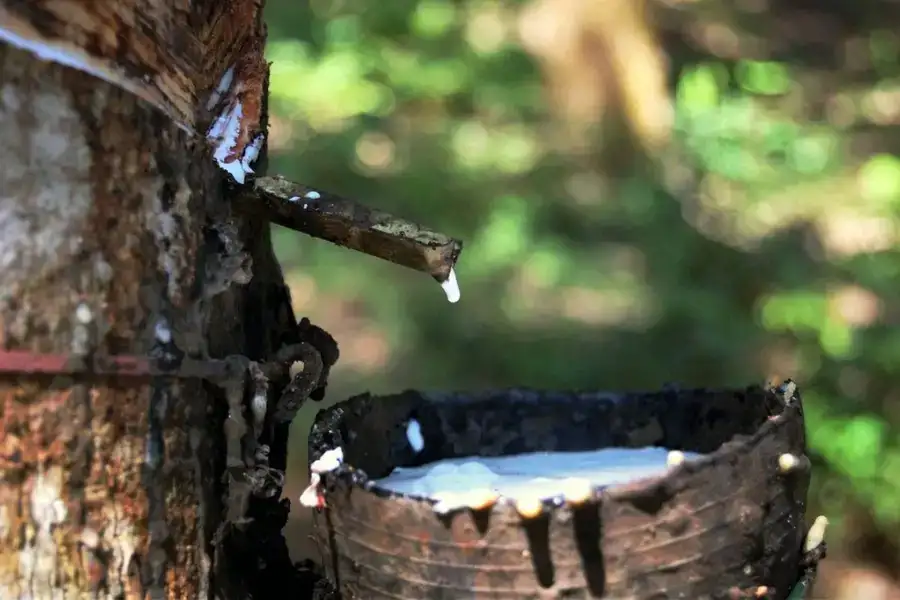
Kalikavu, Malappuram: Rubber farmers in Keralam are facing a fresh setback as prices have dropped by Rs 50 per kg in just 18 days, reversing the optimism triggered by a record high of Rs 300.
After touching Rs 300 per kg on November 2, rubber prices have fallen to Rs 250 for lot rubber and Rs 260 for graded rubber, leaving farmers worried about their returns.
Small-scale farmers who had resumed tapping and invested more money in plantation maintenance in anticipation of higher prices have been hit particularly hard.
Earlier, prolonged rains and lower production had reduced the availability of sheet rubber in the market. At the same time, increased demand from tyre manufacturers contributed to a shortage in the domestic market, pushing prices to record levels.
However, the resumption of tapping activities following the price surge has increased production and brought more rubber into the market. The improvement in supply has subsequently contributed to the decline in prices.
The purchasing strategy of tyre manufacturers is also being cited as a reason for the fall. Major companies are reportedly reluctant to buy sufficient quantities from the domestic market, with expectations that prices could decline further. They are believed to be waiting to purchase rubber at lower rates.
Although shipping disruptions have affected rubber imports from overseas markets, the lack of adequate procurement from domestic producers continues to put pressure on farmers.
The price rally had encouraged many small-scale growers to resume tapping, hire additional workers and spend more on plantation maintenance in the hope of earning better returns. Several farmers had also taken loans to meet these expenses. Tapping wages have increased in some areas, adding to their financial burden.
The subsequent price decline has upset their calculations before they could realise the expected income. With expenses on tapping wages, fertilisers, pesticides and plantation maintenance already rising, the fall in prices has dealt a double blow to small-scale farmers.
Farmers are now concerned that a further decline could force them to suspend tapping activities once again.
Published: 24 Nov 2026, 07:37 am IST


Related Topics
Disclaimer: Kindly avoid objectionable, derogatory, unlawful and lewd comments, while responding to reports. Such comments are punishable under cyber laws. Please keep away from personal attacks. The opinions expressed here are the personal opinions of readers and not that of Mathrubhumi.
