
The IMF warns major economies to rebuild financial buffers as heavy public debt, rising borrowing costs, and structural spending strain state finances.
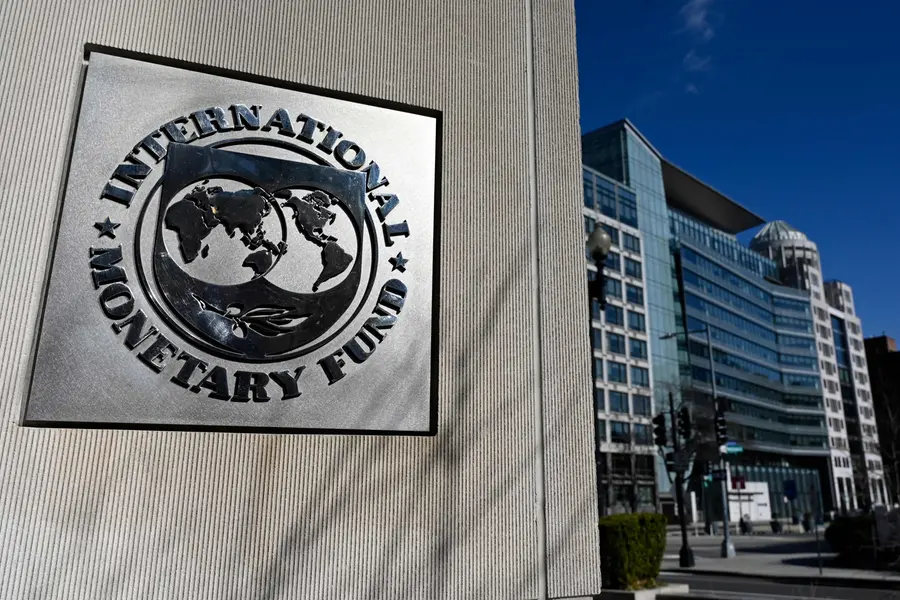
New Delhi: Major global economies face mounting pressure to rein in fiscal deficits and rebuild financial buffers as heavy public debt and elevated borrowing costs restrict their capacity to manage future economic shocks, the International Monetary Fund (IMF) warned on Tuesday, even as it forecasted global growth at 3.1 per cent for 2026 and 3.4 per cent for 2027.
In its October 2026 World Economic Outlook, the IMF noted that sovereign debt burdens remain elevated across numerous nations, with fiscal shortfalls in several jurisdictions substantially exceeding pre-pandemic levels from before the COVID-19 crisis. The Washington-based institution cautioned that rising debt-servicing expenses are intensifying anxieties regarding the long-term sustainability of state finances.
“The global economy is again proving resilient, but unevenly so and with rapidly narrowing margins of adjustment in the near term,” the IMF stated, citing persistent geopolitical friction, elevated energy prices, and shifting trade policies as primary headwinds.
World economic growth is anticipated to decelerate from 3.5 per cent in 2025 to 3.1 per cent in 2026, before staging a recovery to 3.4 per cent the following year. Meanwhile, global headline inflation is projected to climb to 4.7 per cent in 2026, driven primarily by higher food and energy costs, prior to cooling to 4.1 per cent in 2027.
The Fund observed that governments have historically utilised fiscal reserves to absorb successive economic disruptions, including the pandemic and subsequent supply chain shocks. Nevertheless, structural spending demands linked to ageing populations, climate mitigation, and heightened national security requirements have left administrations with diminished fiscal space to counter unforeseen emergencies.
“Fiscal policy must be restrained, and help contain demand pressures at a time of heightened inflationary risks,” the report emphasised, highlighting the necessity for governments to shore up public finances amidst surging debt expenses.
The IMF further cautioned that international trade growth will confront mounting obstacles stemming from tariff barriers and supply chain reconfigurations, though technology-driven commerce is expected to offer a degree of cushioning.
Global economic imbalances are projected to contract only marginally over the medium term, sustained by persistent fiscal deficits and diverging domestic demand patterns across major markets.
Downside risks to the economic forecast remain tilted toward weaker performance. An escalation or prolonged continuation of hostilities in the Middle East could sustain high energy and commodity prices, reignite inflationary spirals, and further degrade fiscal positions. Additionally, a sudden correction in investor enthusiasm surrounding artificial intelligence technologies could dampen capital expenditure and tighten overall financial conditions.
The Fund urged member states to implement “strong and deliberate actions” to reconstitute financial cushions and enhance institutional resilience against future crises, warning that accumulated debt and high financing expenses render fiscal consolidation an increasingly critical priority.
ANI
Published: 13 Oct 2026, 09:43 am IST
ABOUT THE AUTHOR

Related Topics
Disclaimer: Kindly avoid objectionable, derogatory, unlawful and lewd comments, while responding to reports. Such comments are punishable under cyber laws. Please keep away from personal attacks. The opinions expressed here are the personal opinions of readers and not that of Mathrubhumi.