
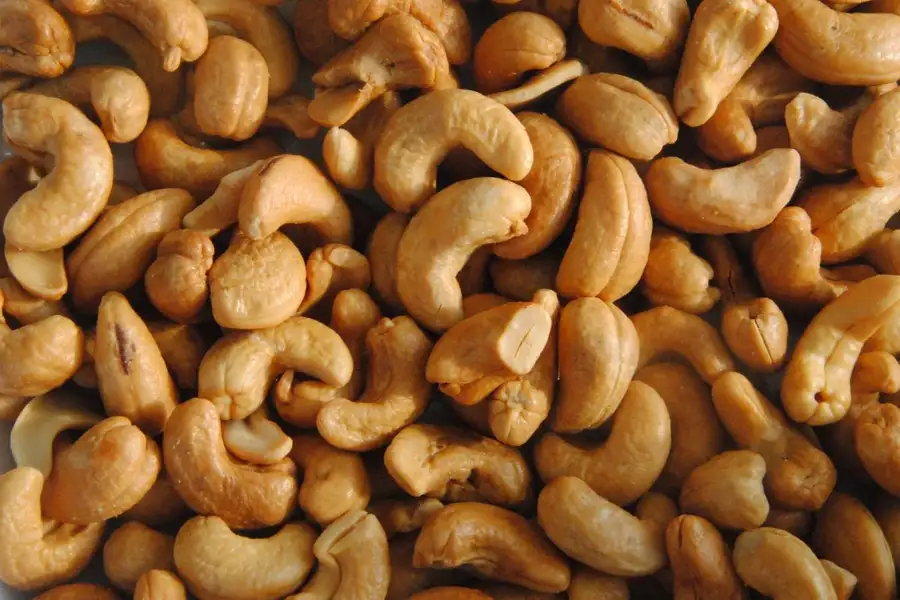
Most of us know the cashew as the rich, buttery nut that turns up in kurma, payasam and festival gift boxes. Few of us think about the hands it passed through to get there. In Kollam, that story is also a story about a city, its women and its economy.
From Brazil to the Kerala coast
The cashew tree is not native to India. It came from north-eastern Brazil and was brought to the Indian coast by the Portuguese in the 16th century, reportedly to check soil erosion. It did far more than that. The tree took to the sandy coastal soil so well that cashew became a major crop and, eventually, a major industry.
Kollam became its centre. For decades the district has been known as the cashew capital of India, with processing units spread across its towns and villages. The cashews that make Kollam famous today, however, don't all grow in Kerala. Much of the raw nut processed here is imported, largely from African countries, and turned into the kernels sold across India and exported abroad. Kerala's strength is processing, grading and the skill of its workforce.
The women behind every kernel
Ask who runs the cashew industry and the honest answer is: women. Generations of women in Kollam have worked in the factories, and the workforce has historically been overwhelmingly female.
The work is slow and exacting. Raw nuts are steamed or roasted, then shelled, the thin skin is peeled off, and the kernels are graded by size and quality. Shelling is the hardest part. The shell holds a caustic oil that can burn the skin, so for years the work has meant stained and blistered hands, long hours on the floor and modest pay. Mechanisation has changed parts of the process, but much of the skilled sorting and peeling still depends on human hands.
Cashew workers also have a political history. The sector has long been a base for trade unions and labour organising in Kerala, and the state has made efforts, through its public-sector cashew corporation and cooperatives, to protect jobs and wages. The industry still faces real pressure: rising raw nut prices, competition from other countries, uneven work through the year and concerns about workers' welfare. The next time you buy a packet of kernels, it's worth remembering that its price rests on a long chain of labour.
Beyond the kernel: the cashew apple
The cashew nut hangs from the bottom of a fleshy, juicy fruit called the cashew apple, which is the real fruit of the tree. In much of India it is wasted. In Goa it is turned into feni. Elsewhere it can be made into juice, jam, chutney and preserves.
Its flavour is tart and astringent, and it is known to be rich in vitamin C. It is a good topic for any food writer looking for something rooted in Kerala's coastal kitchens.
Cashew myths, sorted
"Cashews make you fat."
Cashews are calorie-dense, so portions matter. A small handful of around 28 grams has roughly 150 to 160 calories. Eaten in moderation as part of a balanced diet, they are not a problem. Eaten by the fistful while watching TV, they can add up.
"Nuts are bad for cholesterol."
Most of the fat in cashews is unsaturated, and nuts in general are associated in many studies with good heart health when they replace less healthy snacks. If you have a medical condition, check with your doctor rather than relying on a headline.
"Raw cashews are healthier."
The "raw" cashews sold in shops are not truly raw. A real raw cashew in its shell is unsafe to handle because of the caustic oil, so the nuts are always heat-treated at some stage. The difference between "raw" and roasted varieties is mostly about taste and added salt or oil.
"Cashew is a nut, so it's all the same as almonds."
Nutritionally they differ. Cashews are notable for minerals such as magnesium, zinc and copper, but they generally have less fibre and vitamin E than almonds. Each has its place.
"Cashews are only for festivals."
They are an everyday ingredient in Kerala and across India, and a small amount goes a long way in curries, gravies and sweets.
A cashew recipe to try today: Andiparippu Payasam
A simple, festive Kerala-style sweet. Quantities are approximate, so adjust to taste.
Serves 4
Ingredients
1 cup cashew kernels, broken pieces work well
3 cups full-fat milk
3 to 4 tablespoons jaggery or sugar, to taste
2 tablespoons ghee
2 to 3 cardamom pods, crushed
A handful of whole cashews and a few raisins for garnish
Method
- Soak the cashew pieces in warm milk for about 30 minutes, then grind them with a little of the milk into a smooth paste.
- Heat the remaining milk gently in a heavy pan and add the paste, stirring so it doesn't catch.
- Simmer on low heat for 10 to 15 minutes until it thickens slightly.
- Stir in the jaggery or sugar and the cardamom. If you use jaggery, melt it separately and add it at the end off the heat, so the milk doesn't curdle.
- Fry the whole cashews and raisins in ghee until golden, and pour over the payasam.
Serve warm or chilled.
Published: 23 Nov 2026, 08:50 am IST


ABOUT THE AUTHOR

Related Topics
Disclaimer: Kindly avoid objectionable, derogatory, unlawful and lewd comments, while responding to reports. Such comments are punishable under cyber laws. Please keep away from personal attacks. The opinions expressed here are the personal opinions of readers and not that of Mathrubhumi.