
Despite the Rs 8.63 per unit offer, KSEB has flagged the GNA Energy deal over CERC approval, platform fees and the burden of excess power procurement.
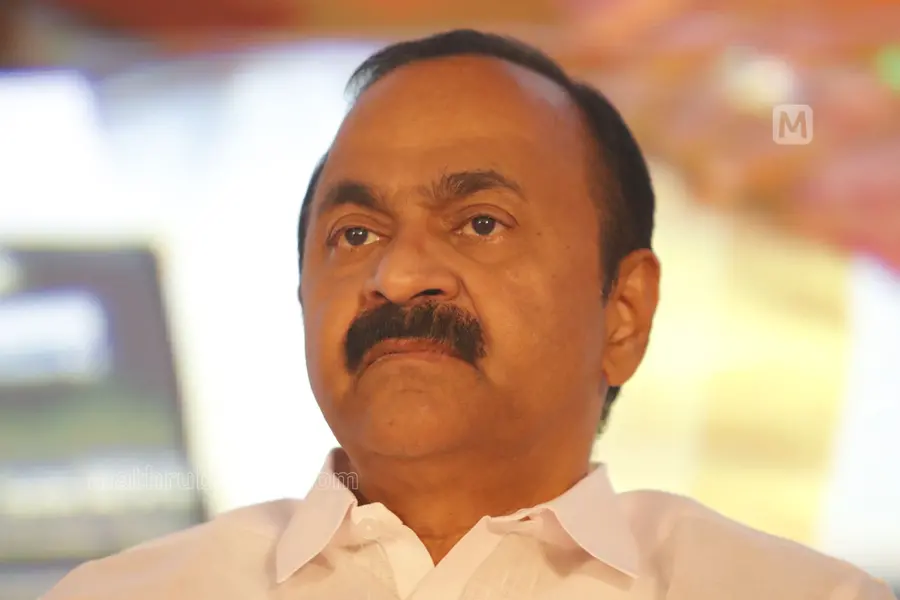
Thiruvananthapuram: The arguments put forward by Chief Minister V.D. Satheesan in favour of purchasing electricity from private online power trading platform GNA Energy are at odds with the concerns raised by the Kerala State Electricity Board (KSEB).
While the Chief Minister maintains that buying power through GNA Energy would be cost-effective, a note prepared by the KSEB Chief Engineer (Commercial and Tariff) explains how the arrangement could lead to additional financial liabilities and legal complications.
The note was submitted to the government by the then KSEB chairman, Dr M G Rajamanickam. His subsequent transfer came after this development.
Also read | Kerala CM's unusual tax lesson: What Chanakya's butterfly has to do with government revenue
The new power purchase deal
The need for power restrictions in September triggered serious concerns, prompting Congress general secretary K.C. Venugopal to intervene and explore the possibility of procuring electricity from Himachal Pradesh. The proposed rate was Rs 20 per unit.
However, Chief Minister V.D. Satheesan said the government decided against the proposal after finding that the actual cost could exceed Rs 30 per unit, as Kerala would have to pay the high rate even during daytime hours when additional power was not required.
However, with the state struggling to secure electricity, it eventually returned to the Himachal Pradesh option. Following discussions between KSEB directors and the Himachal Pradesh Power Corporation, the board decided in October to purchase electricity from the state at Rs 14.50 per unit. The arrangement helped avoid power restrictions.
The electricity was procured through Power Trading Corporation (PTC), which acted as an intermediary. Himachal Pradesh was willing to supply power until May.
Meanwhile, private over-the-counter (OTC) power trading platform GNA Energy approached the state with an offer to supply 500 MW of electricity at Rs 8.63 per unit, during both daytime and night-time hours, until March.
Also read | Previous govt's lapse; crocodile tears: Kerala CM, LoP face off over power crisis, road deaths, PSC
What are KSEB's concerns?
GNA Energy does not generate electricity. Instead, it operates as a platform through which power generated by various companies is traded.
Under the proposed arrangement, KSEB would have to pay a platform fee of 15 paise per unit. The board informed the government that distribution utilities such as KSEB do not have the legal authorisation of the Central Electricity Regulatory Commission (CERC) to purchase electricity directly through such platforms.
According to KSEB, electricity procurement must take place through a tender process or a bilateral agreement at rates approved by the regulatory commission. In emergency situations, the board can also purchase power through centrally regulated power exchanges.
The board maintains that a direct purchase arrangement between KSEB and an agency such as GNA Energy would not have legal validity and would not receive the regulatory commission's approval.
Another major concern is the additional financial burden of purchasing electricity during daytime hours, when the state may not need the full supply.
According to the figures cited by KSEB, the Himachal Pradesh arrangement provides 88.41 crore units of electricity, while the proposed GNA Energy deal would involve 181.2 crore units.
KSEB's position is that there is no need to purchase such a large quantity of electricity from GNA Energy at the quoted rate, particularly during daytime hours when the additional power may not be required.
Published: 05 Nov 2026, 07:57 am IST


Related Topics
Disclaimer: Kindly avoid objectionable, derogatory, unlawful and lewd comments, while responding to reports. Such comments are punishable under cyber laws. Please keep away from personal attacks. The opinions expressed here are the personal opinions of readers and not that of Mathrubhumi.
