
Kerala hospitals face ₹400 crore in unpaid Ayushman Bharat claims, highlighting financial sustainability concerns for the health scheme.
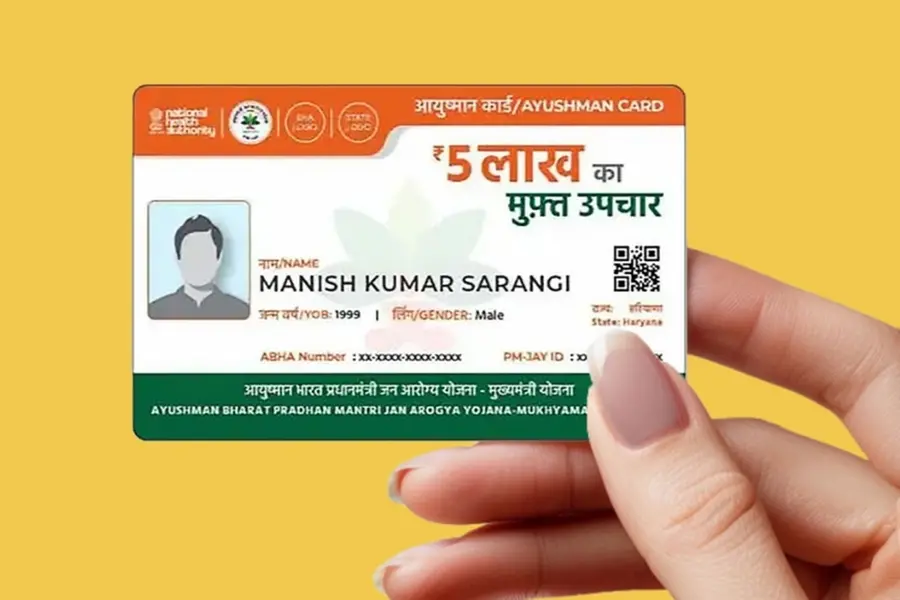
Thiruvananthapuram: While the Centre’s flagship health insurance scheme, Ayushman Bharat Pradhan Mantri Jan Arogya Yojana (AB PM-JAY), continues to expand its reach across India, mounting concerns are emerging over its financial sustainability , particularly in states like Kerala, where hospitals are reeling under unpaid claims worth ₹400 crore.
The scheme, which promises cashless hospitalisation up to ₹5 lakh per year for nearly 55 crore economically weaker citizens, has crossed 9.84 crore hospital admissions since its launch and disbursed over ₹1.4 lakh crore in payments. However, healthcare providers say the system is riddled with delays, underpayments, and bureaucratic hurdles that risk undermining its mission.
Pending payments threaten Kerala hospitals
According to a report by NDTV, in Kerala, the Indian Medical Association (IMA) flagged that government dues under Ayushman Bharat have crossed ₹400 crore, creating severe cash flow issues for both public and private hospitals.
Across India, the problem is widespread with ₹1.21 lakh crore worth of claims (around 64 lakh cases) still unsettled, according to an RTI query filed by health activist Ajay Basudev Bose. In Gujarat alone, ₹300 crore in claims from 2021 to 2023 remain unpaid, and only 5% of claims are settled within the required 15-day window.
Low package rates, complex claims hurt participation
The IMA’s white paper submitted to the National Health Authority (NHA) highlights several systemic issues: package rates that fall short of actual treatment costs, especially in complex surgeries, and technical errors that lead to claim rejections.
These issues have discouraged hospitals from joining the scheme. For instance, only 67 of Delhi’s 1,000+ private hospitals are part of Ayushman Bharat, citing operational and financial challenges reported NDTV.
In Kerala, where the health infrastructure is comparatively strong and reliant on a mix of public-private partnerships, the situation is especially worrying.
IMA calls for urgent overhaul
To prevent further erosion of trust, the IMA has issued a set of reforms like automating payments and enabling real-time tracking for transparency. Revising and updating reimbursement rates in line with actual treatment costs. Simplifying claim documentation and offer 24/7 digital support. Setting up grievance redressal systems at the district, state, and national levels
It also includes the use of direct benefit transfers to avoid delays by intermediaries and incentivise accredited and rural hospitals to encourage wider participation
Without these changes, the IMA warns, the scheme may struggle to meet its goal of delivering free, quality healthcare to India’s poorest citizens.
Government acknowledges implementation gaps
Responding to the concerns in the Rajya Sabha, Union Health Minister Prataprao Jadhav acknowledged that “implementation challenges remain” and urged states to modify their operational models to improve performance.
With over 41 crore Ayushman cards issued and Uttar Pradesh, Madhya Pradesh, Bihar, and Odisha leading the numbers, the scheme is undeniably massive in scale. But unless key issues like delayed payments and fair pricing are resolved, states like Kerala, known for their robust healthcare networks, may find it increasingly difficult to stay committed to a model that is financially unsustainable.
Published: 27 Jul 2025, 12:05 pm IST
Related Topics
Disclaimer: Kindly avoid objectionable, derogatory, unlawful and lewd comments, while responding to reports. Such comments are punishable under cyber laws. Please keep away from personal attacks. The opinions expressed here are the personal opinions of readers and not that of Mathrubhumi.
