
The plea seeks to strike down several provisions of the data protection law as unconstitutional.
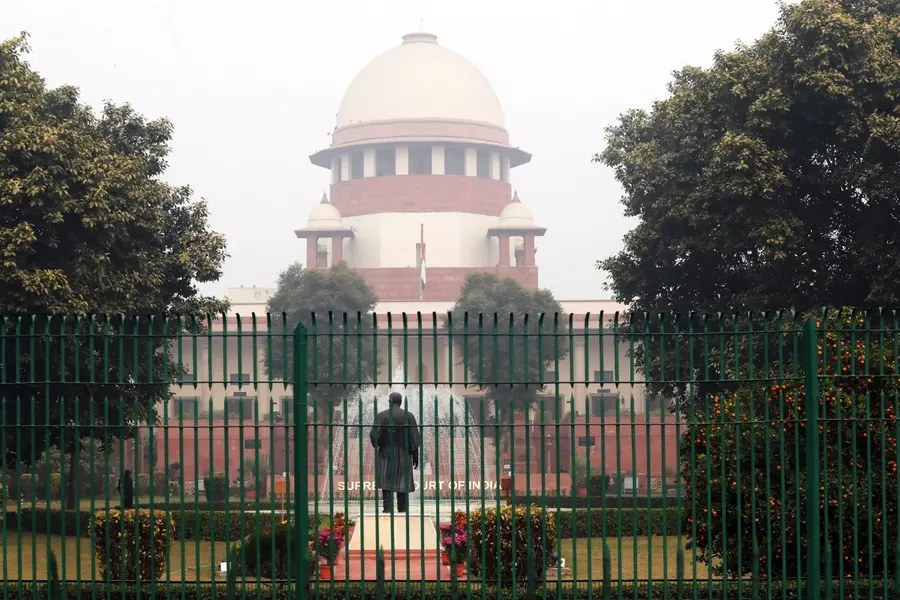
New Delhi: The Supreme Court on Tuesday issued a notice to the Centre on a petition challenging various provisions of the Digital Personal Data Protection (DPDP) Act and its accompanying DPDP Rules, which allegedly infringe upon press freedom and the right to information.
A bench comprising Chief Justice of India Surya Kant and Justices Joymalya Bagchi and V Mohana issued the notice after hearing arguments from senior advocate Madhavi Divan, who appeared for the Digital News Publishers Association (DNPA). The court has listed the matter for further hearing on November 17, alongside other pending petitions.
The plea seeks to strike down several provisions of the data protection law as unconstitutional. It highlights that the absence of a specific exemption for journalistic activities could severely impede news reporting, weaken investigative journalism, and compromise source confidentiality.
Also read: Maharashtra SIR: Supreme Court seeks ECI reply on voter deletions, denies claims deadline extension
During the proceedings, Divan described the petition as perhaps the first comprehensive challenge by what she termed the "legacy media", distinguishing traditional news organisations from citizen journalists.
"This is perhaps the first comprehensive petition by what we call legacy media. There has been some debate over citizen journalists. We are the traditional, conventional legacy media," she said.
The senior lawyer urged the bench to issue a notice on the application seeking an interim stay of the challenged provisions.
Divan argued that the law’s consent requirements could render routine news gathering and reporting unworkable, especially when journalists report on individuals who refuse to consent to the processing of their personal data.
"If I am left to the mercy of the data principal as to whether he or she will give consent, how will news be reported?" she asked.
Stress was placed on the serious implications these requirements pose for time-sensitive reporting and broadcast media.
"On television, it is live. Otherwise, it has to be new," she said, adding that provisions could effectively shut down newsrooms.
"What is the point if I have to ask for permission and consent," she asked.
Furthermore, the association challenged the amendment to Section 8(1)(j) of the Right to Information (RTI) Act, alleging that it restricts access to information concerning public officials and narrows the scope of public scrutiny.
"Section 8(1)(j), the deletion, is changing the whole concept of news," Divan submitted.
The petition also raised alarms over the Centre's broad powers to requisition information under the DPDP Act, warning that these powers could have far-reaching consequences for newsroom operations and their capacity to report on public interest issues. (PTI)
Published: 27 Oct 2026, 02:43 pm IST
Related Topics
Disclaimer: Kindly avoid objectionable, derogatory, unlawful and lewd comments, while responding to reports. Such comments are punishable under cyber laws. Please keep away from personal attacks. The opinions expressed here are the personal opinions of readers and not that of Mathrubhumi.
