
Sonia Gandhi says her memoir Belonging: A Journey of Love will tell her account of events she believes were misrepresented. The book releases on November 10.
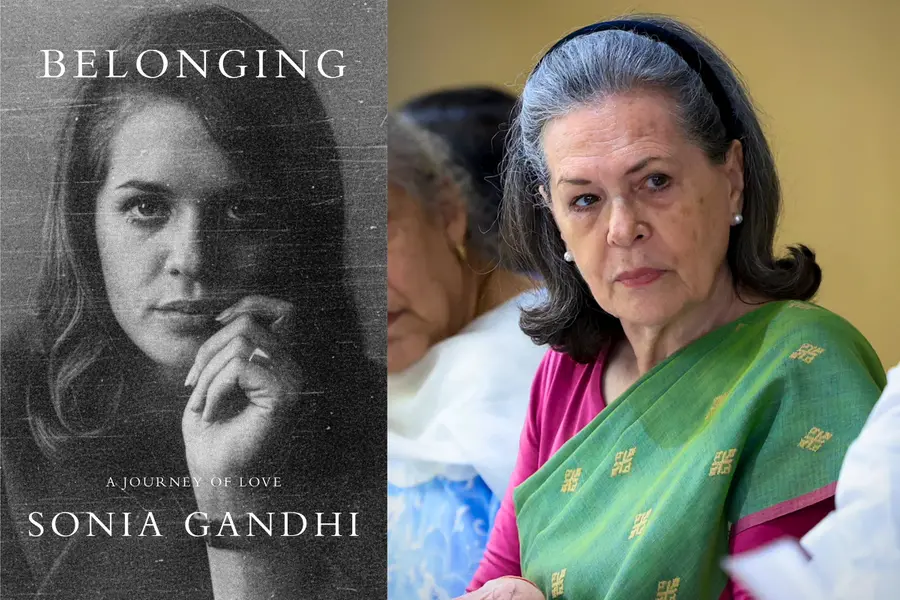
Congress Parliamentary Party chairperson Sonia Gandhi has said her forthcoming memoir may generate considerable discussion, predicting there will be “some tamasha” when the book is released on November 10.
In a video, Gandhi explained that numerous accounts of her life had appeared over the years, but she believed some were inaccurate, invented or exaggerated. She said writing the memoir gave her an opportunity to describe events as she remembered and experienced them, rather than leave her story to be defined by other accounts.
Also Read

“Well, I felt that since a lot had been written about me and a lot of it was not quite correct, you know, it was either invented or exaggerated. So it gave me a feel of being able to now put down my story and describe facts and things as they were, as they really were,” she said.
Gandhi added that readers would have different interpretations of her account. She acknowledged that some might change their opinion of her, while others might develop a less favourable view.
“Some people may change their view about me. Some people's view may become worse, but that's what it is. That's what happens when you write a book or when you are in public life,” she said.
Sonia Gandhi recalls opposition to Rajiv Gandhi becoming prime minister
Gandhi also briefly referred to the circumstances surrounding her husband Rajiv Gandhi's entry into the country's highest political office.
She said she had been completely opposed when Rajiv Gandhi was asked to become prime minister. However, she did not elaborate on the episode in the remarks quoted in the report, saying, “I don't know if I should tell the whole story.”
The account is among the personal and political experiences that readers may encounter in the memoir.
What is Belonging: A Journey of Love about?
The memoir traces Sonia Gandhi's journey from her childhood in Italy to her life in India after marrying Rajiv Gandhi, who later became prime minister. It also covers her experiences as the daughter-in-law of former prime minister Indira Gandhi and her eventual entry into politics.
The book revisits major personal losses that shaped her life, including Indira Gandhi's assassination in 1984 and Rajiv Gandhi's assassination in 1991. It also reflects on her sense of belonging in India and the experiences that influenced her public life over more than six decades.
Gandhi has described the memoir as an account of the love, loss and personal experiences that shaped her journey.
Why the memoir matters
Political memoirs offer public figures an opportunity to present their personal recollections of major events, relationships and decisions. They can also invite debate because an author's account may differ from existing biographies, public records or the recollections of other people involved.
In Gandhi's case, the book covers her family life, the political circumstances surrounding the Gandhi family and her own transition into public life. Her comments suggest that she expects readers to respond differently to her account.
The memoir's release on November 10 is likely to bring renewed attention to the events and experiences she has chosen to recount. Her statements so far, however, do not establish how the book will change public opinion.
Published: 27 Oct 2026, 06:11 pm IST
ABOUT THE AUTHOR
Disclaimer: Kindly avoid objectionable, derogatory, unlawful and lewd comments, while responding to reports. Such comments are punishable under cyber laws. Please keep away from personal attacks. The opinions expressed here are the personal opinions of readers and not that of Mathrubhumi.