
NARI Index shows 65% of women feel safe in their cities, but only 25% trust authorities to act on complaints
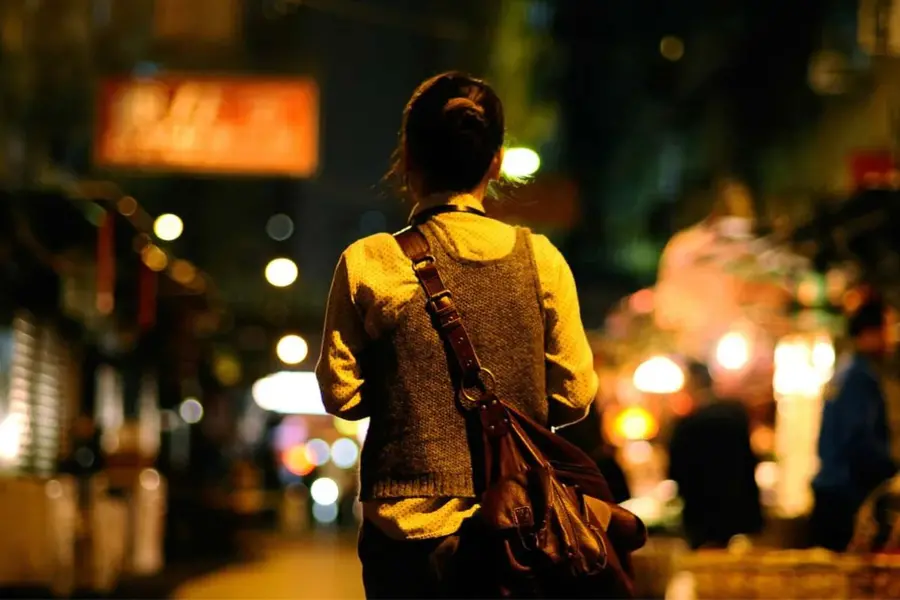
Mumbai, Kohima, Vishakhapatnam, Bhubaneswar, Aizawl, Gangtok, and Itanagar have emerged among the safest cities for women in India, according to the newly released National Annual Report and Index on Women's Safety (NARI) 2025.
The report, published by the Group of Intellectuals and Academicians (GIA) and launched in Delhi on Thursday by National Commission for Women (NCW) chairperson Vijaya Rahatkar, found the national safety score to be 65 per cent, based on a survey of 12,770 women across 31 nations.
While six in ten women said they felt “safe” in their city overall, 40 per cent described themselves as “not so safe” or “unsafe”. Neighbourhoods (38 per cent) and public transport (29 per cent) were flagged as the most common harassment hotspots, yet only one in three victims reported the incidents.
The report noted that cities ranking high on women’s safety often correlated with better gender equity, infrastructure, policing, and civic participation. Conversely, Ranchi, Srinagar, Kolkata, Delhi, Faridabad, Patna, and Jaipur ranked the lowest, tied to weaker institutional responsiveness and entrenched patriarchal norms.
Rahatkar stressed that safety cannot be reduced to policing alone. “Safety is not just a law-and-order issue; it affects every aspect of a woman’s life—her education, health, work, opportunities, and freedom of movement,” she said. “When women don’t feel safe, they limit themselves, and that affects not only their own development but also the development of the country.”
The survey found that only 25 per cent of women trusted authorities to act effectively on complaints. While 69 per cent felt current measures were somewhat adequate, more than 30 per cent pointed to glaring gaps. Encouragingly, 65 per cent said they had seen real improvement in safety over the last two years (2023–2024).
Highlighting progress, Rahatkar praised the increased presence of women police officers and female drivers in public transport, noting that in some Union Territories, one-third of police personnel are women. She also cited initiatives like women’s helplines, CCTV coverage in smart cities, and upgraded safety networks at bus stops, depots, and railway stations.
Calling for shared responsibility, Rahatkar urged citizens to play their part: “We often blame the system, but we must also ask what we have done—whether it is using helplines, supporting awareness drives, or simply keeping public toilets clean, society’s role is equally important.”
Published: 28 Aug 2025, 06:02 pm IST
Related Topics
Disclaimer: Kindly avoid objectionable, derogatory, unlawful and lewd comments, while responding to reports. Such comments are punishable under cyber laws. Please keep away from personal attacks. The opinions expressed here are the personal opinions of readers and not that of Mathrubhumi.
