
See how Red Sea undersea cable disruptions threaten India's internet connectivity. Learn about the risks to digital infrastructure and how to stay updated.
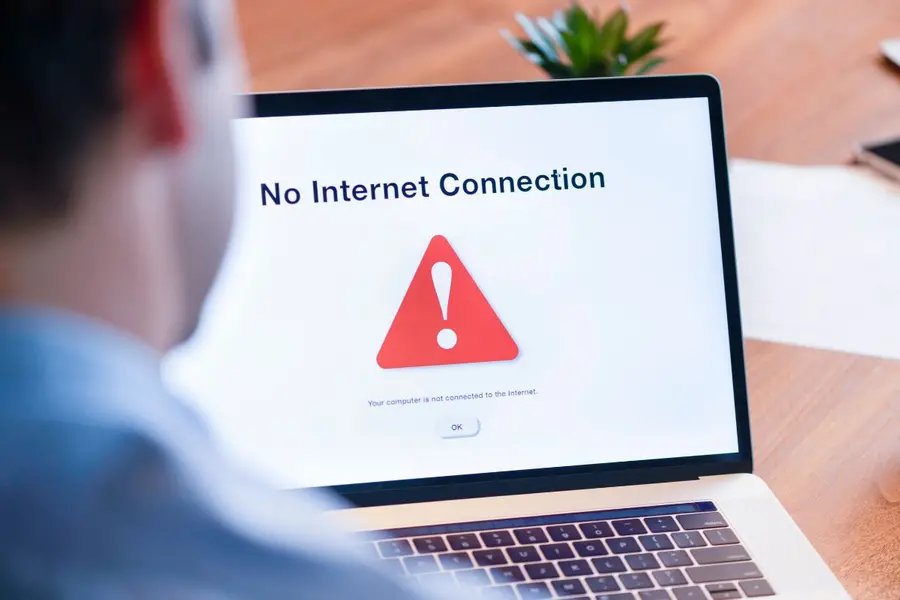
New Delhi: As tensions intensify across West Asia, fresh concerns are emerging over a critical but often overlooked vulnerability, the world’s undersea internet cables. With fears of potential disruption in the Red Sea region, experts warn that India’s digital infrastructure could face serious strain if key fibre optic links are damaged.
The Red Sea is one of the most crucial arteries for global internet connectivity. Nearly 95% of international data traffic flows through submarine cables, many of which pass through this narrow corridor connecting Europe, the Middle East, and Asia.
In September 2025, a major outage, reportedly caused by a ship dragging its anchor, damaged multiple cables, including:
SEA-ME-WE 4 (South East Asia–Middle East–Western Europe)
India-Middle East-Western Europe (IMEWE)
FALCON (GCX network)
Europe India Gateway (EIG)
The result? Widespread internet slowdown, network congestion, and service disruptions across parts of India, West Asia, and beyond.
Escalating conflict raises new fears
Now, with geopolitical tensions rising involving the US, Israel, Iran, and Iran-backed groups like the Houthis, the risk of intentional damage to submarine cables is being taken more seriously.
While there has been no official confirmation from Iran, social media warnings and past threats from militant groups have heightened anxiety around a possible targeted attack on Red Sea infrastructure.
If such an incident occurs, the consequences could go far beyond temporary outages.
Impact on India
A disruption in Red Sea cables could lead to:
- Slower internet speeds and higher latency
- Temporary outages across telecom networks
- Disruptions in financial transactions and banking services
- Cloud service instability affecting businesses and startups
Although India has 17 undersea cables across 14 landing stations (including Mumbai, Chennai, Kochi, Tuticorin, and Thiruvananthapuram), traffic distribution remains uneven.
India’s hidden weak spot: Mumbai and Chennai
A major concern flagged by experts is India’s heavy reliance on two key hubs:
- Mumbai handles nearly two-thirds of international traffic
- Chennai manages most of the remaining load
This imbalance creates a single point of failure risk. Any disruption, whether due to geopolitical conflict, natural disasters, or technical faults, in these cities could impact millions of users nationwide.
Published: 30 Mar 2026, 09:44 pm IST
Related Topics
Disclaimer: Kindly avoid objectionable, derogatory, unlawful and lewd comments, while responding to reports. Such comments are punishable under cyber laws. Please keep away from personal attacks. The opinions expressed here are the personal opinions of readers and not that of Mathrubhumi.
