
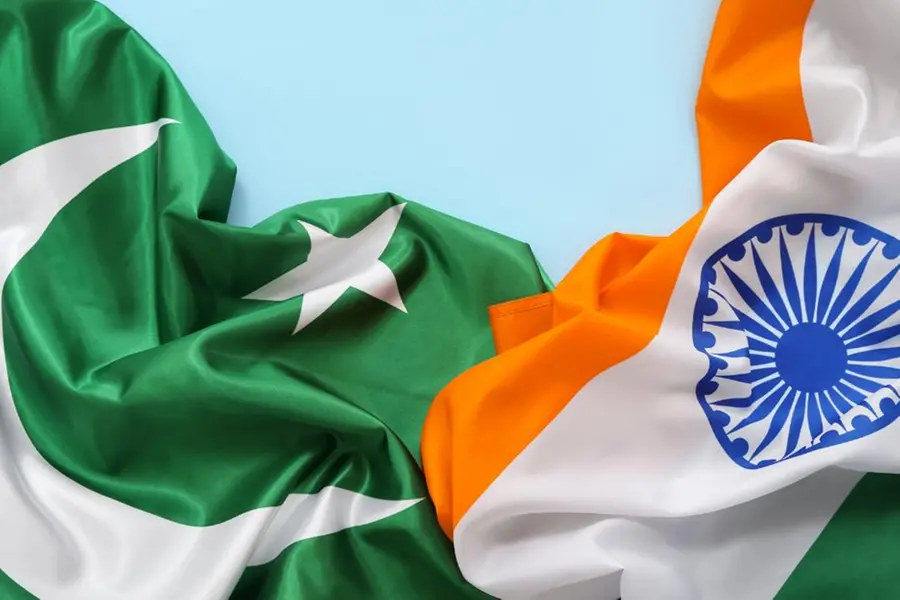
Tensions between India and Pakistan have escalated following India's decision to suspend the Indus Waters Treaty (IWT) and a water release from the Uri Dam. These actions have stirred controversy, particularly regarding the management of shared water resources, which could have significant implications for both nations.
The Indus Waters Treaty, established in 1960 with the help of the World Bank, governs the sharing of water from the six rivers that flow through India and Pakistan. Under the agreement, India controls the water of the eastern rivers—Sutlej, Beas, and Ravi—while Pakistan has rights to the western rivers—Indus, Jhelum, and Chenab. The treaty is considered crucial for managing the water resources between the two nations and preventing conflict over this vital resource.
Why did India suspend the Indus Waters Treaty?
India suspended the Indus Waters Treaty on April 23, following a terrorist attack in Pahalgam, which resulted in the deaths of 26 people. In response to the attack, the Indian government decided to halt water flows to Pakistan from the western rivers, which were previously allocated to Pakistan under the treaty. Pakistan's Senate condemned the move, calling it an “act of war.”
A high-level meeting chaired by Home Minister Amit Shah on April 26, discussed the future course of action on the treaty, with the government exploring options to maximise the use of the water from the western rivers—Indus, Jhelum, and Chenab.
How is India planning to utilise water from the western rivers?
The Indian government is looking into ways to utilise the water from the western rivers, with a focus on ensuring that no water flows into Pakistan. Jal Shakti Minister C.R. Paatil confirmed that the government is working on a strategy for this purpose. However, experts have pointed out that India faces infrastructure challenges that could delay the effective utilisation of the water. For example, Himanshu Thakkar of the South Asia Network on Dams, Rivers and People (SANDRP) noted that several projects in the Chenab basin would take five to seven years to complete, during which water will continue to flow into Pakistan due to the lack of control mechanisms.
What triggered the release of water from the Uri Dam?
On April 26, India released water from the Uri Dam, which led to a sudden increase in water levels of the Jhelum River. This release reportedly caused flooding in Pakistan-occupied Kashmir (PoK), particularly in the Hattian Bala district, where residents living along the riverbanks had to evacuate.
Following the release of water, officials in PoK raised alarms about the flooding and its impact on local communities. Pakistani officials accused India of engaging in "water terrorism" due to the lack of prior notice, which they argued violated the provisions of the Indus Waters Treaty. The local government in PoK has taken steps to ensure the safety of residents, including evacuating those in danger and setting up temporary shelters.
Indian media reports, however, suggest that the release of water was part of a standard operational procedure for the Uri Dam, which was necessitated by heavy rainfall in Jammu and Kashmir. The discharge was not unusual but was reportedly part of the dam’s regular functioning.
Published: 27 Apr 2025, 07:35 am IST
Related Topics
Disclaimer: Kindly avoid objectionable, derogatory, unlawful and lewd comments, while responding to reports. Such comments are punishable under cyber laws. Please keep away from personal attacks. The opinions expressed here are the personal opinions of readers and not that of Mathrubhumi.
