
The AAIB report, published on July 13, revealed that fuel supply to both engines was manually cut off within the span of one second shortly after takeoff
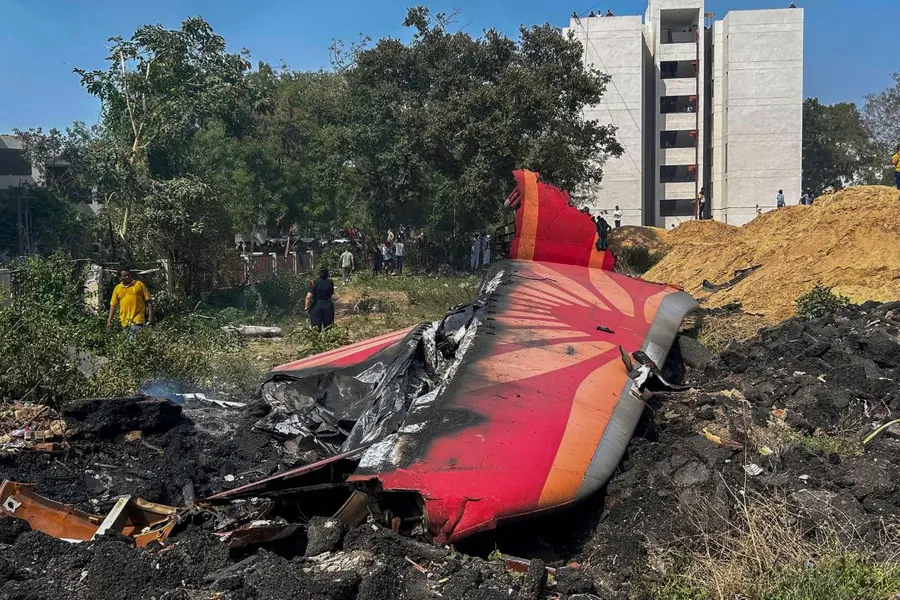
Aviation safety expert Captain Mohan Ranganathan has stated that human error was likely responsible for the tragic crash of Air India’s Boeing 787-8 aircraft in Ahmedabad on June 12, which resulted in the deaths of 260 people. Speaking on Monday, Ranganathan highlighted concerns over the handling of the preliminary report released by the Aircraft Accident Investigation Bureau (AAIB), urging greater transparency in the investigation process, according to a report by Mint.
The AAIB report, published on July 13, revealed that fuel supply to both engines was manually cut off within the span of one second shortly after takeoff, leading to chaos in the cockpit. According to the cockpit voice recordings, one pilot asked the other why the fuel switches had been turned off, to which the second pilot responded that he hadn’t done so.
Ranganathan, a former airline instructor pilot, explained that the fuel switches on a Boeing 787-8 cannot be accidentally moved due to electrical failure or mechanical issues. They require deliberate manual operation—pulling them out of the slot and moving them to the "cutoff" or "run" position. Based on this, he concluded that the switches could not have moved on their own, and the event was likely the result of human action.
He also raised concerns about the preliminary report’s lack of detailed cockpit data, such as pilot conversations, alarms, and decision-making during the engine failure. Ranganathan emphasised that such omissions allow for multiple interpretations and undermine the transparency of the investigation.
The Indian Commercial Pilots’ Association (ICPA), which represents narrow-body pilots of Air India, also expressed its distress over media speculation suggesting possible pilot suicide. In a public statement, the ICPA condemned what it called “reckless and unfounded insinuations,” asserting that the crew operated within the scope of their training under difficult conditions. The association called for respectful discourse, particularly given the grief faced by the families of those involved.
Ranganathan dismissed the possibility of a mechanical or software-related malfunction, noting that representatives from Boeing, the US National Transportation Safety Board (NTSB), GE, and other stakeholders are part of the investigation. He added that no emergency alert was triggered by the aircraft, which further supported the view that no technical fault occurred.
Civil Aviation Minister K Rammohan Naidu urged restraint and patience while the investigation continues. He stated that conclusions about pilot involvement are premature and that various aspects must be examined before the final report is released.
As the probe progresses, aviation experts and pilot unions continue to call for clarity, caution, and responsibility in how findings are interpreted and discussed publicly. (With inputs from Agencies)
Published: 14 Jul 2025, 10:03 pm IST
Related Topics
Disclaimer: Kindly avoid objectionable, derogatory, unlawful and lewd comments, while responding to reports. Such comments are punishable under cyber laws. Please keep away from personal attacks. The opinions expressed here are the personal opinions of readers and not that of Mathrubhumi.
