
FSSAI has ordered an immediate halt to the sale of a sampled Nestle Low Fat Dairy Whitener after a laboratory report classified it as unsafe and substandard. Nestle says the product complies with regulations and disputes the interpretation of its phosphorus content.
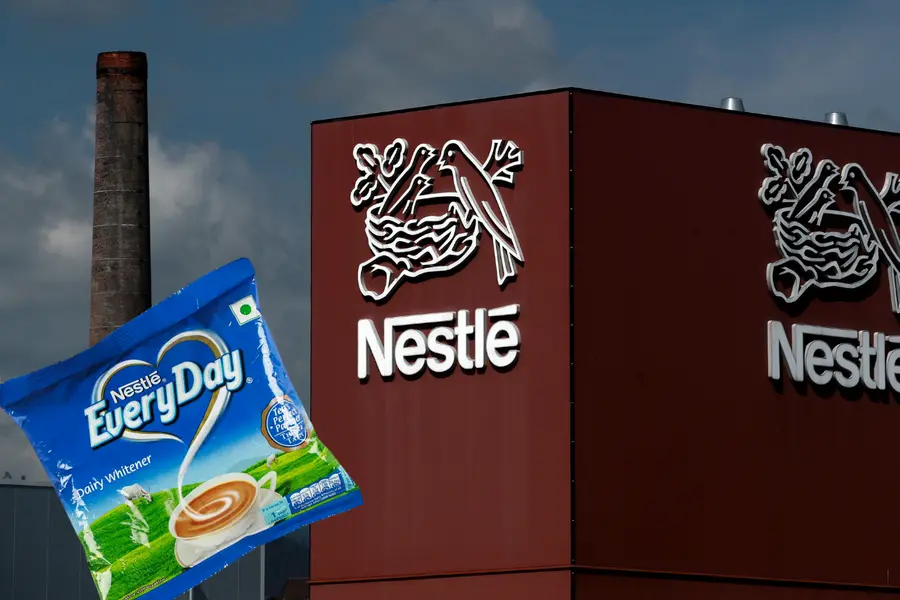
New Delhi: The Food Safety and Standards Authority of India (FSSAI) has declared a sample of Nestle’s Low Fat Dairy Whitener collected from The Lalit hotel in New Delhi “unsafe” and “substandard”, directing the food business operator to immediately stop its sale.
The FSSAI said a laboratory analysis found the sampled product non-compliant with food safety requirements under the Food Safety and Standards Act, 2006.
The sample was collected from the premises of Bharat Hotels Ltd, which operates The Lalit in New Delhi. Following the Food Analyst’s report, authorities issued directions to prohibit the sale of the identified product.
The hotel was also provided with a copy of the laboratory report and an opportunity to appeal against the findings within the prescribed period under the food safety law.
Nestle disputes the finding
Nestle India has said the Low Fat Dairy Whitener is safe to consume and complies with applicable regulatory requirements.
The company’s position centres on the interpretation of phosphorus levels in the product. According to a Nestle spokesperson, phosphorus occurs naturally in milk and is therefore present in milk-based products.
The company said the laboratory report assessed total phosphorus against the regulatory limit applicable to added phosphorus without accounting for the naturally occurring phosphorus contributed by milk-based ingredients.
Nestle said its product complies with the prescribed limits for added phosphorus, including when assessed on an as-consumed basis.
The company added that it is engaging with the authorities through the applicable process and has provided data concerning the same and similar milk-based products to support its position.
What FSSAI has ordered
The regulator has directed the food business operator to immediately prohibit the sale of the identified product.
The Food Analyst’s report has been communicated to the operator, which has the right to challenge or appeal the findings under the Food Safety and Standards Act.
The full laboratory report has not been publicly released in the information currently available.
Why the phosphorus issue matters
The dispute centres on the distinction between total phosphorus and phosphorus that may be present naturally in milk-based ingredients.
FSSAI’s laboratory report classified the sample as unsafe and substandard based on its analysis. Nestle, however, argues that naturally occurring phosphorus should be distinguished from phosphorus added as a food additive when assessing compliance.
The final regulatory position will depend on the applicable food standards, laboratory findings and the outcome of the process available to the food business operator.
The development follows another regulatory action involving Nestle in India.
In September, FSSAI said it had found a Nestle baby food sample to be substandard and indicated that legal action was being pursued. Nestle had said at the time that its products complied with applicable regulations.
The latest case involves a different Nestle product and a sample collected from a hotel premises in New Delhi.
Published: 03 Oct 2026, 08:35 pm IST
ABOUT THE AUTHOR

Related Topics
Disclaimer: Kindly avoid objectionable, derogatory, unlawful and lewd comments, while responding to reports. Such comments are punishable under cyber laws. Please keep away from personal attacks. The opinions expressed here are the personal opinions of readers and not that of Mathrubhumi.