
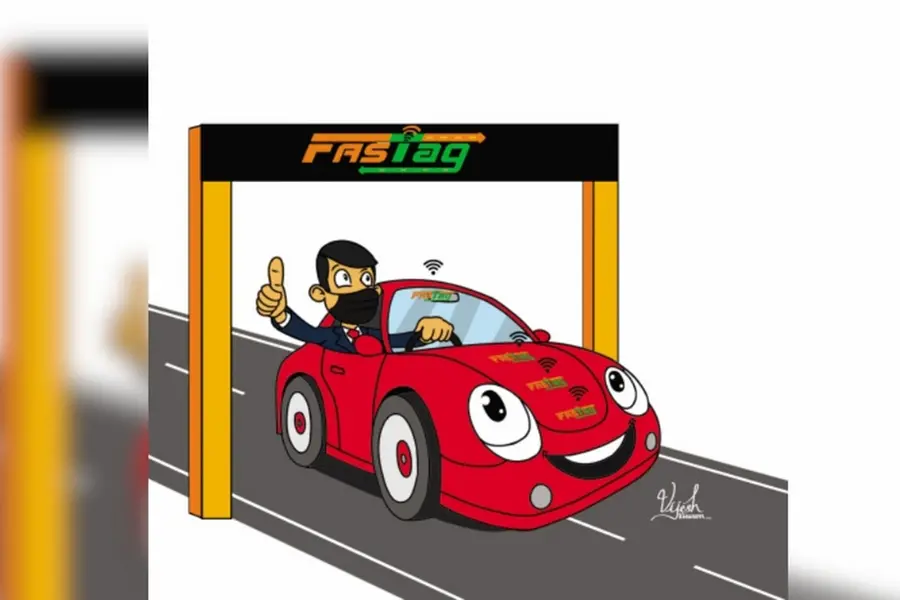
New Delhi: The government has announced new FASTag rules that will come into effect from February 17, 2025, introducing stricter regulations for users with low balances, blacklisted tags, or delayed transactions. The National Payments Corporation of India (NPCI) and the Ministry of Road Transport and Highways aim to improve toll collection efficiency, minimise transaction disputes, and curb fraudulent activities.
Key changes in FASTag rules
Starting February 17, FASTag users must adhere to the following new regulations:
Transaction time limit: If a toll transaction is processed more than 15 minutes after the vehicle has passed the toll reader, additional charges may be applied.
Inactive FASTag rejections: If a FASTag has been inactive for over 60 minutes before crossing a toll and remains inactive for 10 minutes after passing, the transaction will be automatically declined with "error code 176."
Chargeback and cooling period: If users experience an incorrect deduction, they can dispute the charge only after a mandatory 15-day cooling period.
Balance validation rules: Unlike before, users will no longer be able to recharge their FASTag at the toll booth just before passing through. The system now follows a stricter schedule for balance validation.
Impact on FASTag users
These changes are intended to ensure seamless toll transactions and prevent delays caused by insufficient funds. Users are advised to:
- Maintain a sufficient balance in their FASTag wallet before traveling.
- Monitor transaction times and check for delays in deductions.
- Verify their FASTag status in advance to prevent payment failures.
FASTag growth and usage trends
According to NPCI data, FASTag transactions grew by 6% in December 2024, reaching 382 million from 359 million in November. The transaction value also rose by 9%, from ₹6,070 crore in November to ₹6,642 crore in December.
As the digital toll payment system evolves, FASTag users must stay updated with the latest rules to avoid penalties and ensure hassle-free travel on national highways.
Published: 16 Feb 2025, 11:48 pm IST
Disclaimer: Kindly avoid objectionable, derogatory, unlawful and lewd comments, while responding to reports. Such comments are punishable under cyber laws. Please keep away from personal attacks. The opinions expressed here are the personal opinions of readers and not that of Mathrubhumi.
