
Delhi Police has told the Supreme Court that it no longer wishes to pursue 13 FIRs linked to the NEET protests held in Delhi in July. However, the police has proposed a fresh FIR against 2,873 people who were prima facie found to have serious criminal antecedents.
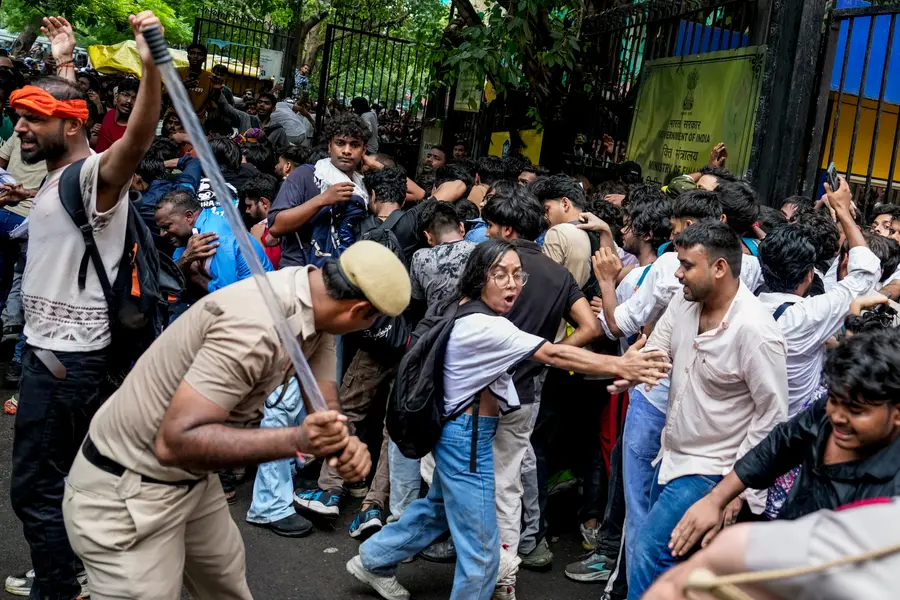
New Delhi: In a significant development ahead of the proposed September 5 student march, Delhi Police has told the Supreme Court that it will not pursue 13 FIRs registered during the July NEET protests, while seeking to separately investigate those allegedly linked to violence or property damage.
Delhi Police on Monday told the Supreme Court that it “no longer wishes to pursue” 13 FIRs registered in connection with the student protests held in Delhi between July 20 and July 25.
Also Read

The Centre has also moved an application before the top court seeking to resolve the issue surrounding the FIRs.
The matter is expected to come up before a bench headed by Chief Justice of India Surya Kant.
The police said it would not register any further FIRs concerning the incidents covered by the 13 existing cases.
What happens to the protesters named in the 13 FIRs?
Delhi Police told the court that protesters covered by the 13 FIRs would effectively be let off, except those who fall within a separate category based on their alleged criminal antecedents.
The police has proposed filing one fresh FIR against 2,873 people who were prima facie found to have “serious criminal antecedents”.
The proposed investigation would focus on whether these individuals were involved in offences involving bodily harm or destruction of property during the protests.
This means the police is seeking to distinguish between protesters who were booked during the demonstrations and individuals it believes may require further investigation because of their alleged past criminal records.
What will the new investigation examine?
According to the application, the proposed investigation would examine the role, if any, of the 2,873 people in offences involving:
- bodily harm
- violence
- destruction of property
- other serious offences connected with the protests
The police said the investigation would be limited to these aspects rather than continuing the broader prosecution of all protesters named in the 13 FIRs.
Why is the move significant?
The development comes just days before the September 5 protest march announced by the Cockroach Janta Party (CJP), which has made the withdrawal of FIRs against student protesters one of its principal demands.
The proposed march is scheduled to take place from India Gate to Delhi Police headquarters.
Earlier on Monday, the Supreme Court declined to interfere with the proposed march and left law-and-order arrangements to the Centre and the Delhi government.
The court, however, expressed confidence that all parties would maintain peace and act within the legal framework.
What are the protests about?
The July protests were led by CJP convenor Abhijeet Dipke and centred on demands connected with the NEET examination, including concerns over the alleged paper leak and examination reforms.
The protests at Jantar Mantar eventually became a major student movement and were linked by the organisers to wider demands for accountability and changes in the examination system.
The FIRs registered during the protests covered allegations including rioting, attempted murder and property damage.
What did the Centre tell the court?
Solicitor General Tushar Mehta mentioned the government's application before the Chief Justice and sought an early hearing.
The Centre said it was seeking to resolve the dispute surrounding the FIRs rather than continuing with the broader prosecution.
The latest position therefore represents a shift from pursuing the original set of cases towards a narrower investigation focused on individuals who may have been involved in serious violence or property-related offences.
What happens next?
The Supreme Court is expected to consider the Centre's application on Tuesday.
The court will have to consider the proposed withdrawal of the 13 FIRs and the proposed fresh FIR concerning 2,873 people.
The September 5 march is also likely to remain a key point of attention, particularly after the Supreme Court left the responsibility for maintaining law and order with the authorities.
The development creates a distinction between mass prosecution of protesters and targeted investigation of alleged serious offenders.
By saying it will not pursue the 13 FIRs, Delhi Police is effectively offering relief to a large group of protesters covered by those cases. At the same time, the proposed fresh FIR means the authorities do not intend to close the matter entirely where they believe there may be evidence of violence or property damage involving people with serious criminal antecedents.
The timing is also important. The police position comes immediately before the proposed September 5 march, where withdrawal of the FIRs is one of the protesters' key demands.
The Supreme Court's approach will determine how the proposed fresh FIR is framed and whether the distinction between ordinary protesters and people allegedly involved in serious offences is legally sustainable.
Published: 31 Aug 2026, 06:33 pm IST
ABOUT THE AUTHOR
Related Topics
Disclaimer: Kindly avoid objectionable, derogatory, unlawful and lewd comments, while responding to reports. Such comments are punishable under cyber laws. Please keep away from personal attacks. The opinions expressed here are the personal opinions of readers and not that of Mathrubhumi.