
The Cockroach Janta Party has unveiled a new social media and communications team as the youth-led movement looks to strengthen its growing digital presence.
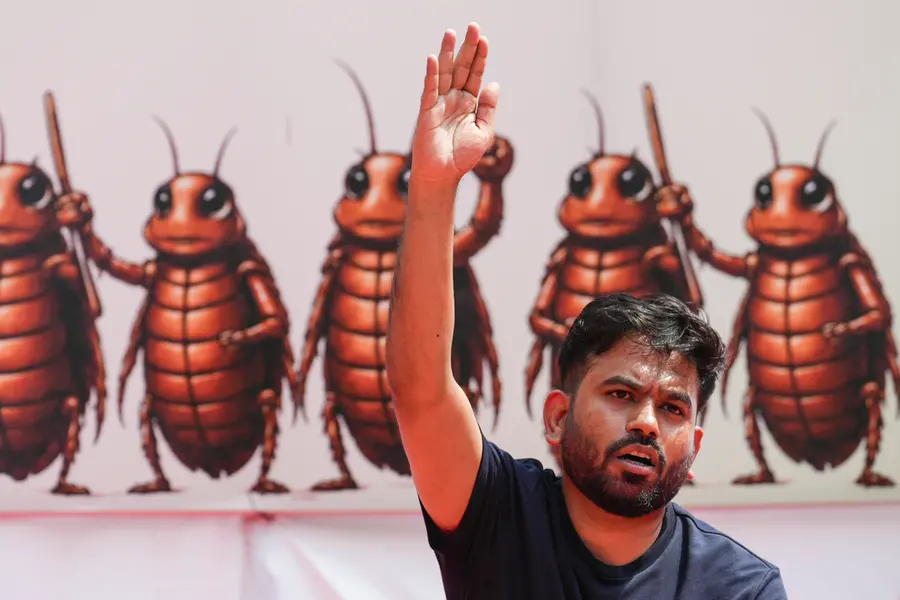
New Delhi: The Cockroach Janta Party (CJP) has announced a structured social media and communications team as the youth-led movement seeks to strengthen coordination across its growing digital network.
The movement, led by Abhijeet Dipke, has built much of its public presence through social media, memes and online campaigns, while also raising issues including unemployment, governance and education.
CJP announces new social media team
The organisation announced several appointments covering social media, campaigns, creative work, production and digital coverage.
The newly announced team includes Vishal Siani, Nisar Alam, Gaurav Bharthi, Shadab Saifi, Rosy and Soni as coverage coordinators.
Jatin has been appointed social media coordinator, while Arvind Khicher will serve as campaign coordinator.
The other appointments are Faizan Siddiqui as creative network coordinator and Shekar Prajapati as production coordinator.
The appointments are intended to streamline the movement's digital communications and coordinate its activities across different states.
CJP's role in NEET protests
CJP gained wider national attention through its involvement in protests linked to the NEET-UG examination controversy. The movement organised demonstrations at Jantar Mantar in New Delhi, demanding accountability and reforms over alleged irregularities surrounding the examination.
The protests received further attention after environmentalist Sonam Wangchuk joined students during an indefinite hunger strike calling for the resignation of the Union Education Minister.
The agitation was followed by legal proceedings over FIRs registered against protesters. The Supreme Court later used its extraordinary powers to quash cases against genuine student demonstrators, according to the report.
Following developments involving compensation and the withdrawal of legal cases, CJP called off its planned protest marches.
From viral movement to structured organisation
The creation of a dedicated communications team marks a shift towards a more organised digital structure for CJP.
With social media playing a central role in the movement's outreach, the newly appointed coordinators are expected to manage online coverage, campaigns, creative content and production while maintaining communication with supporters.
The development also reflects the importance of digital platforms in allowing youth-led movements to rapidly mobilise supporters and amplify political and civic issues.
However, CJP's longer-term influence will depend on how it develops beyond viral campaigns and online commentary, including the consistency of its organisational structure, policy positions and engagement with issues raised by its supporters.
CJP's new digital appointments come as the movement moves from protest-driven mobilisation towards a more structured civic and political presence. Its experience with the NEET protests demonstrated the ability of social media to turn online messaging into large-scale public mobilisation.
A dedicated communications structure could help CJP maintain that momentum while coordinating messaging across different regions. At the same time, greater organisation may bring increased scrutiny over the movement's claims, political positions and methods of campaigning.
For a movement whose visibility has largely been driven by digital platforms, the effectiveness of its new team could therefore play a significant role in determining whether its online popularity develops into sustained civic engagement.
Published: 06 Sept 2026, 03:42 pm IST
ABOUT THE AUTHOR

Disclaimer: Kindly avoid objectionable, derogatory, unlawful and lewd comments, while responding to reports. Such comments are punishable under cyber laws. Please keep away from personal attacks. The opinions expressed here are the personal opinions of readers and not that of Mathrubhumi.