
IFFI 2026 celebrates the centenary of seven Indian cinema legends, including Prem Nazir, Uttam Kumar and Raaj Kumar, with five restored classics
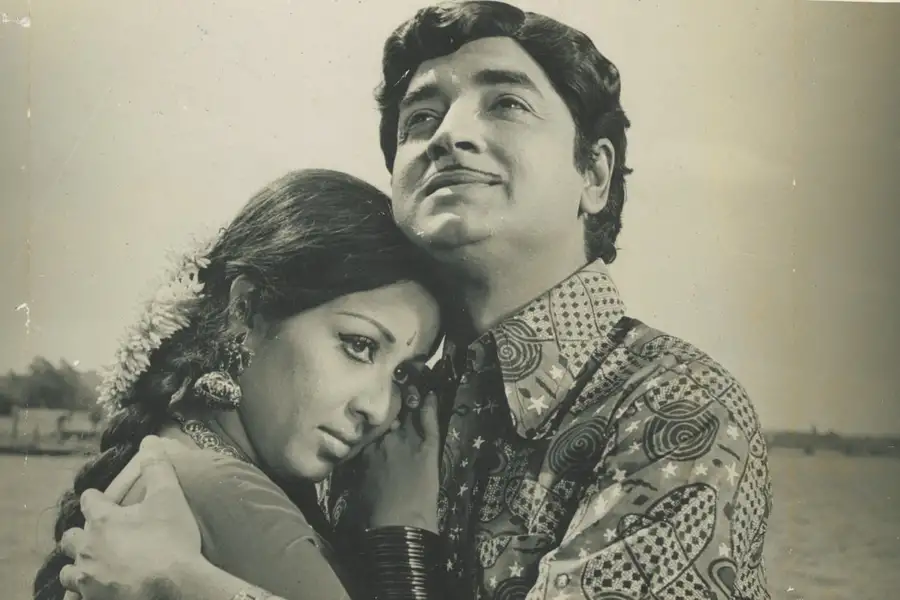
From Bengali superstar Uttam Kumar and Malayalam cinema's evergreen romantic hero Prem Nazir to filmmaker Shakti Samanta and music composers OP Nayyar and Ravi, 1926 marked the birth of seven personalities who would go on to shape the country's film history in different ways.
As these legends complete 100 years since their birth, the 57th International Film Festival of India (IFFI) is paying tribute to their contributions with a special screening of five restored films across four languages: Hindi, Bengali, Malayalam and Marathi
The selection brings together some of the most memorable works associated with these celebrities.
The films have been restored by the National Film Development Corporation (NFDC) under the National Film Heritage Mission, the Ministry of Information and Broadcasting's flagship initiative to preserve, conserve, digitise and restore India's film heritage.
The centenary tribute offers audiences an opportunity to revisit these classics, while remembering the artists whose performances, filmmaking and music left a lasting mark on Indian cinema.
The seven legends and the films that celebrate their legacy
Uttam Kumar: Revisiting the magic of ‘Chowringhee’
Film: Chowringhee (1965) | Language: Bengali
Known as the 'Mahanayak' of Bengali cinema, Uttam Kumar remains one of the most celebrated actors in the history of Indian regional cinema. At the height of his popularity, he took on the role of Satyasundar 'Sata' Bose in the 1965 classic ‘Chowringhee’, a film remembered for its remarkable ensemble cast and performances.
Uttam Kumar began his acting career in 1948 and went on to appear in more than 200 films over three decades. His filmography includes acclaimed works such as ‘Saptapadi’, ‘Harano Sur’, ‘Nayak’, ‘Chiriyakhana’ and ‘Amanush’. His performances also marked a shift in Bengali cinema, taking acting away from traditional stage mannerisms towards a more natural style of urban romanticism.
‘Chowringhee’ remains an important part of his celebrated career and offers an opportunity to revisit the actor's screen presence.
Shakti Samanta and OP Nayyar: The magic of ‘Kashmir Ki Kali’
Film: Kashmir Ki Kali | Language: Hindi
When filmmaker Shakti Samanta and music composer OP Nayyar came together for ‘Kashmir Ki Kali’, the result was a film that showcased the strengths of both artists. Samanta brought the breathtaking beauty of Kashmir to the screen in vibrant colour, while Nayyar created a musical score that continues to find listeners across generations.
Samanta began his career in 1948 as an assistant director and made his directorial debut with ‘Bahu’ in 1955. Under his production banner, Shakti Films, he directed 43 feature films, including 37 in Hindi and six in Bengali. His contribution to Hindi cinema includes classics such as ‘Howrah Bridge’, ‘China Town’, ‘An Evening in Paris’, ‘Aradhana’, ‘Kati Patang’, ‘Amar Prem’ and ‘Anuraag’.
Nayyar, meanwhile, made his debut as a film composer with ‘Aasmaan’ in 1952. He went on to create music for films such as ‘Aar Paar’, ‘Mr. & Mrs. 55’, ‘CID’, ‘Naya Daur’ and ‘Howrah Bridge’. His collaborations with legendary singers Mohammed Rafi, Asha Bhosle and Geeta Dutt produced several memorable songs.
Known for his distinctive use of horse-trot rhythms and dholak beats, Nayyar developed a musical style that set his compositions apart. Kashmir Ki Kali stands as a memorable coming together of two artists who helped shape the sound and visual appeal of Hindi cinema.
Suryakant Mandhare: The strength of ‘Sadhi Manase’
Film: Sadhi Manase (1965) | Language: Marathi
Marathi actor Suryakant Mandhare's career began when filmmaker Bhalji Pendharkar discovered him as a young boy and introduced him to cinema as a child artiste. Over the next five decades, Mandhare appeared in more than 100 films, building a body of work that covered rural, historical and mythological characters.
His notable films include ‘Sangtye Aika’, ‘Kanyadaan’, ‘Mohityanchi Manjula’ and ‘Malhari Martand’. His contribution to Marathi cinema earned him the Padma Shri.
In the 1965 film ‘Sadhi Manase’, Mandhare plays Shankar, a blacksmith whose character represents strength without arrogance and the dignity of honest work. The role also explores the pain of being misunderstood. He shares the screen with Jayshree Gadkar, with whom he had appeared in several films.
The film has another interesting musical connection. Its music was composed by the legendary Lata Mangeshkar under the pseudonym Anandghan, a name she frequently used for her work in Marathi cinema.
Prem Nazir: A different side of Malayalam cinema's evergreen hero in ‘Thulabharam’
Film: Thulabharam | Language: Malayalam
Prem Nazir is remembered as Malayalam cinema's evergreen romantic hero, with a career filled with films known for their songs and sunlit storytelling. However, ‘Thulabharam’ saw the actor move away from the romantic roles audiences associated him with.
In the film, Nazir plays Rama, a factory worker and trade union member. His understated portrayal offered a striking contrast to his familiar glamorous screen persona and is regarded as one of the finest performances of his career.
Across films such as ‘Irrutinte Atmavu’, ‘Murappennu’, ‘Nadhi’, ‘Kallichellamma’, ‘Vida Parayum Munpe’ and ‘Padayottam’, Nazir explored a variety of roles, moving from romance to mythology and social reform.
His contribution to Malayalam cinema is also reflected in two Guinness World Records. He holds the record for playing the lead in more than 700 films and for appearing opposite Sheela in 130 films. He was honoured with the Padma Bhushan in 1983.
Raaj Kumar and Bombay Ravi: Remembering ‘Waqt’
Film: Waqt | Language: Hindi
Yash Chopra's multi-starrer ‘Waqt’ brought together actor Raaj Kumar and music composer Ravi, creating one of the memorable cinematic collaborations celebrated in this centenary selection.
Raaj Kumar was known for his commanding baritone, distinctive dialogue delivery and larger-than-life screen presence. In ‘Waqt’, he played a thief named Raja, delivering a performance that remains part of the film's appeal. The film is also remembered for Ravi's composition of the popular song ‘Ae Meri Zohra Jabeen’.
Raaj Kumar made his film debut with ‘Rangili’ in 1952. He subsequently gained recognition through films such as ‘Nausherwan-e-Adil’ and ‘Mother India’, followed by ‘Dil Ek Mandir’ (1963). His later filmography included celebrated titles such as ‘Heer Raanjha’, ‘Pakeezah’, ‘Waqt’ and ‘Tirangaa’.
Ravi Shankar Sharma, popularly known as Bombay Ravi in Malayalam cinema, began his career in Hindi films with ‘Vachan’ in 1955. He went on to compose music for films such as ‘Chaudhvin Ka Chand’, ‘Gumrah’, ‘Waqt’ and ‘Humraaz’. His work in Malayalam cinema also earned him National Film Awards for Best Music Direction for ‘Parinayam’ and ‘Sukrutham’.
Waqt brings together two distinct talents, with Raaj Kumar's memorable screen presence complemented by Ravi's music.
A century of cinema, preserved for future generations
The seven personalities being celebrated at IFFI 2026 came from different cultural and linguistic backgrounds, but their contributions collectively reflect the diversity of Indian cinema. While Uttam Kumar and Prem Nazir became defining figures in Bengali and Malayalam cinema respectively, Shakti Samanta, OP Nayyar, Raaj Kumar and Ravi left their mark on Hindi films. Suryakant Mandhare, meanwhile, enriched Marathi cinema with his memorable performances.
The specially curated centenary tribute is more than a celebration of their birth anniversaries. Through the restoration and screening of these films, IFFI also draws attention to the importance of preserving India's cinematic heritage and making it accessible to newer generations.
A hundred years after their birth, the performances, stories and melodies of these artists continue to find relevance. Their films offer a window into different periods of Indian cinema, the cultural traditions that shaped them and the creative choices that made them memorable.
With the theme 'Stories Without Borders', the 57th IFFI celebrates cinema's ability to transcend languages and geographical boundaries. The centenary screenings are a reminder that while films may belong to a particular time, place or language, their artistic and emotional appeal can endure across generations.
Published: 23 Nov 2026, 12:51 pm IST


ABOUT THE AUTHOR

Disclaimer: Kindly avoid objectionable, derogatory, unlawful and lewd comments, while responding to reports. Such comments are punishable under cyber laws. Please keep away from personal attacks. The opinions expressed here are the personal opinions of readers and not that of Mathrubhumi.