

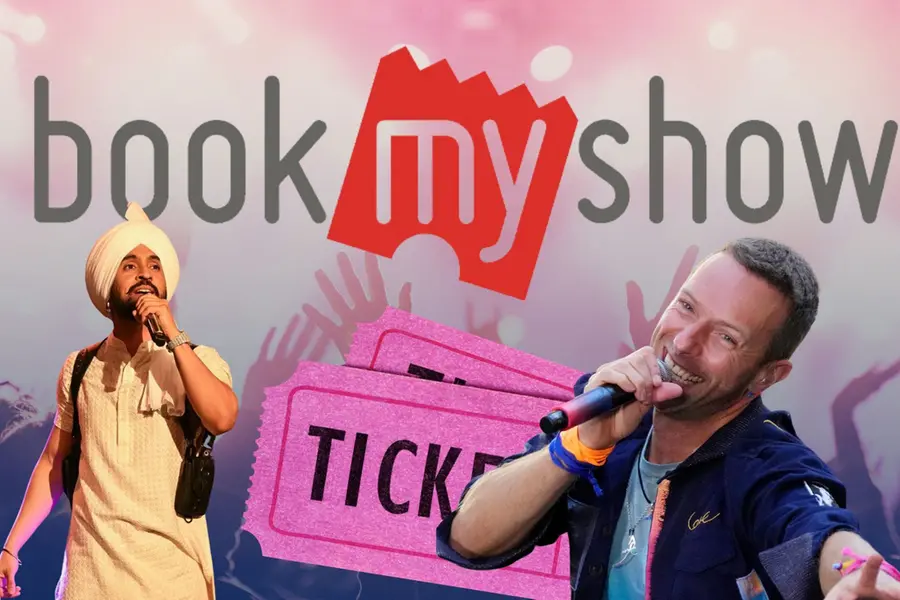
In an era where live performances are highly anticipated, the rush to secure tickets for major concerts has reached fever pitch. The excitement surrounding Punjabi star Diljit Dosanjh's ‘Dil-Luminati World Tour,’ set to take place on October 26 and 27 at the Jawaharlal Nehru Stadium in Delhi, exemplifies this phenomenon. Fans eager to witness Dosanjh's electrifying performance faced a daunting challenge as tickets disappeared almost instantaneously from official channels. The thrill of attending live music events has been overshadowed by a troubling trend: rampant ticket scalping.
As fans scrambled to purchase tickets, they quickly realized that the secondary market was rife with inflated prices and unscrupulous resellers. Tickets that were originally priced between Rs 4,000 and Rs 9,000 have surfaced on the black market, with some being sold for as much as Rs 20,000 or even higher—an astonishing markup that has left many feeling cheated. The dire situation has escalated in recent weeks, as Delhi Police took action against individuals involved in selling counterfeit tickets, highlighting the extent of the problem.
The broader implications of this phenomenon are significant, as fans find themselves at the mercy of a thriving black market. With high-profile events such as Coldplay's concert in 2025 generating immense buzz, the stakes are higher than ever. As tickets vanish from official platforms, they reappear on resale sites and social media channels at exorbitant prices, often reaching up to Rs 12 lakh for premium seats. This growing trend not only frustrates fans but also undermines the integrity of the ticketing process, creating an environment where genuine music lovers are left without affordable options.
The surge in black markets
As the concert dates draw closer, the demand for legitimate tickets has only intensified, leading to a flourishing underground market. Fans who are desperate to attend these events are often left with no choice but to resort to these unauthorized channels, further exacerbating the problem. The current ticketing landscape raises critical questions about consumer protection and the need for effective regulation.
What is ticket scalping?
Ticket scalping refers to the practice of purchasing event tickets in bulk with the intent to resell them at inflated prices. This unethical activity flourishes when demand exceeds supply, allowing scalpers to take advantage of eager fans. The scenario surrounding the Diljit Dosanjh and Coldplay concerts is a prime example of how this practice can impact fans.
For instance, tickets for the highly anticipated Coldplay concert in 2025, which were quickly sold out through official channels, are now being listed on secondary markets like Viagogo for prices that can soar to Rs 12 lakh. This rampant scalping reflects a wider trend that has raised alarm bells among concertgoers worldwide.
Legal considerations and government initiatives
The increasing prevalence of ticket scalping has drawn attention from authorities, prompting legal measures aimed at curbing this exploitative practice. Recently, petitions were filed in the Delhi High Court to address the urgent need for regulation of concert ticket resales. The court has responded by mandating that relevant government entities provide feedback on the issue. Section 112 of the Bharatiya Nyaya Sanhita (BNS) of 2023 deals with petty organized crime including unauthorized activities like gambling and ticket-selling. The punishment for petty organized crime is a minimum of one year in prison, which can extend to seven years, and a fine.
According to Jiyas Jamal, Cyber Law Expert, Advocate, and founder of Cyber Suraksha Foundation, “India doesn’t have a proper legislation to tackle the reselling of tickets. Since the reselling of tickets is a form of exploitation of customers, it can be brought under the Consumer Protection Act.” He gave an example as to the stacking of essential commodities such that it will create a scarcity, a case can be registered. “Showing the tickets have sold out on the official site and reselling it for a huge amount is a form of exploitation and comes under the violation of the Consumer Protection Act,” he added.
How global ticketing sites are raking in profits
The growing enthusiasm for Diljit Dosanjh's 'Dil-Luminati Tour' has led to a surge in ticket scalping, a practice where concert tickets are purchased in bulk and then resold at significantly inflated prices. Notably, foreign ticketing platforms like Viagogo are capitalizing on this situation, listing tickets for Diljit's concert at prices that are as much as ten times higher than their original cost.
Operating as a secondary ticket marketplace, Viagogo allows individuals to resell their tickets. The pricing on the platform is dynamic, fluctuating based on demand and supply. Consequently, when ticket availability is low and interest is high, prices can soar dramatically. This model empowers sellers to profit from buyers who are willing to pay a premium in a frantic attempt to secure tickets.
Moreover, Viagogo adds additional layers of cost by charging substantial commissions to sellers and imposing extra fees on buyers, further inflating ticket prices. Compounding these challenges, Indian authorities face significant difficulties in tracking transactions on these overseas platforms, rendering regulation nearly impossible.
The issue of ticket scalping gained significant attention recently, especially amid the widespread frustration over the unavailability of tickets for popular concerts, including those of Diljit Dosanjh and Coldplay. Many tickets for these much-anticipated events sold out within moments, only to reappear at exorbitant prices on third-party websites. This has ignited public demands for stricter laws to criminalize the resale of concert tickets in India.
In light of these escalating concerns, a Public Interest Litigation (PIL) was filed in September with the Delhi High Court, calling for the regulation of online ticket sales.
International legal frameworks
Other countries have already implemented stricter regulations to combat ticket scalping effectively.
Japan
In 2019, Japan passed a law that prohibits reselling tickets for commercial purposes at a price higher than their retail value. Violators can face up to one year in prison and/or a fine of up to 1 million yen.
United States
In the US, the Better Online Ticket Sales Act (BOTS Act), passed in December 2016, bans the bypassing of online security protocols established by ticket sellers. Numerous states have enacted similar legislation to govern ticket resale and safeguard consumers against inflated prices, reflecting a unified approach to tackling this problem.
Australia
Australia's competition authority has implemented regulations for ticket resale platforms, enforcing hefty fines for misleading practices. This proactive strategy reflects a dedication to consumer protection in response to increasing concerns about ticket scalping.
United Kingdom
In the UK, various consumer protection laws govern ticket resale, notably the Consumer Rights Act 2015. The Digital Economy Act 2017 specifically bans the use of automated tools for ticket purchases, promoting a fair buying experience. Additionally, the Competition and Markets Authority has been proactive in addressing non-compliance in the secondary ticketing market, highlighting the importance of transparency and consumer rights.
Regulatory challenge in India
Despite existing legal frameworks in other countries, the situation in India remains complex. Numerous online ticketing platforms operate on a global scale, complicating efforts for Indian authorities to monitor fraudulent activities effectively. A recent Public Interest Litigation (PIL) in the Delhi High Court emphasized the urgent need to address illegal ticket resales occurring on platforms like WhatsApp and Telegram, where individual sellers engage in practices that sidestep organized illegal activities.
The surge in ticket scalping has prompted discussions about the potential role of technology in ticket sales. Fans have called for more transparent systems that could prevent bulk purchases and ensure that tickets reach genuine buyers. Some have suggested that major artists and ticketing platforms like BookMyShow should adopt stricter measures to combat this ongoing challenge effectively.
As the concert dates for Diljit Dosanjh and Coldplay draw near, the urgency for action against ticket scalping intensifies. The convergence of skyrocketing prices, a flourishing black market, and ongoing legal challenges creates a complex environment for concertgoers. While some fans may be willing to pay higher prices for the opportunity to see their favorite artists live, the pressing need for regulation and transparency in ticket sales cannot be overstated. Until effective measures are put in place, fans will continue to face the disappointment of missing out or having to pay exorbitant prices for access to live performances.
Published: 20 Oct 2024, 03:05 pm IST
ABOUT THE AUTHOR
Related Topics
Disclaimer: Kindly avoid objectionable, derogatory, unlawful and lewd comments, while responding to reports. Such comments are punishable under cyber laws. Please keep away from personal attacks. The opinions expressed here are the personal opinions of readers and not that of Mathrubhumi.